The Beast in Aisle 34
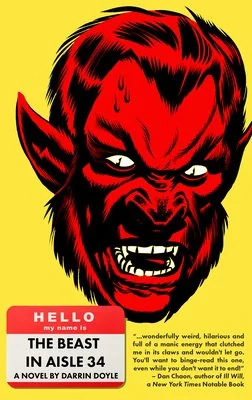
A retail worker transforms into a werewolf while facing marital and career despair.
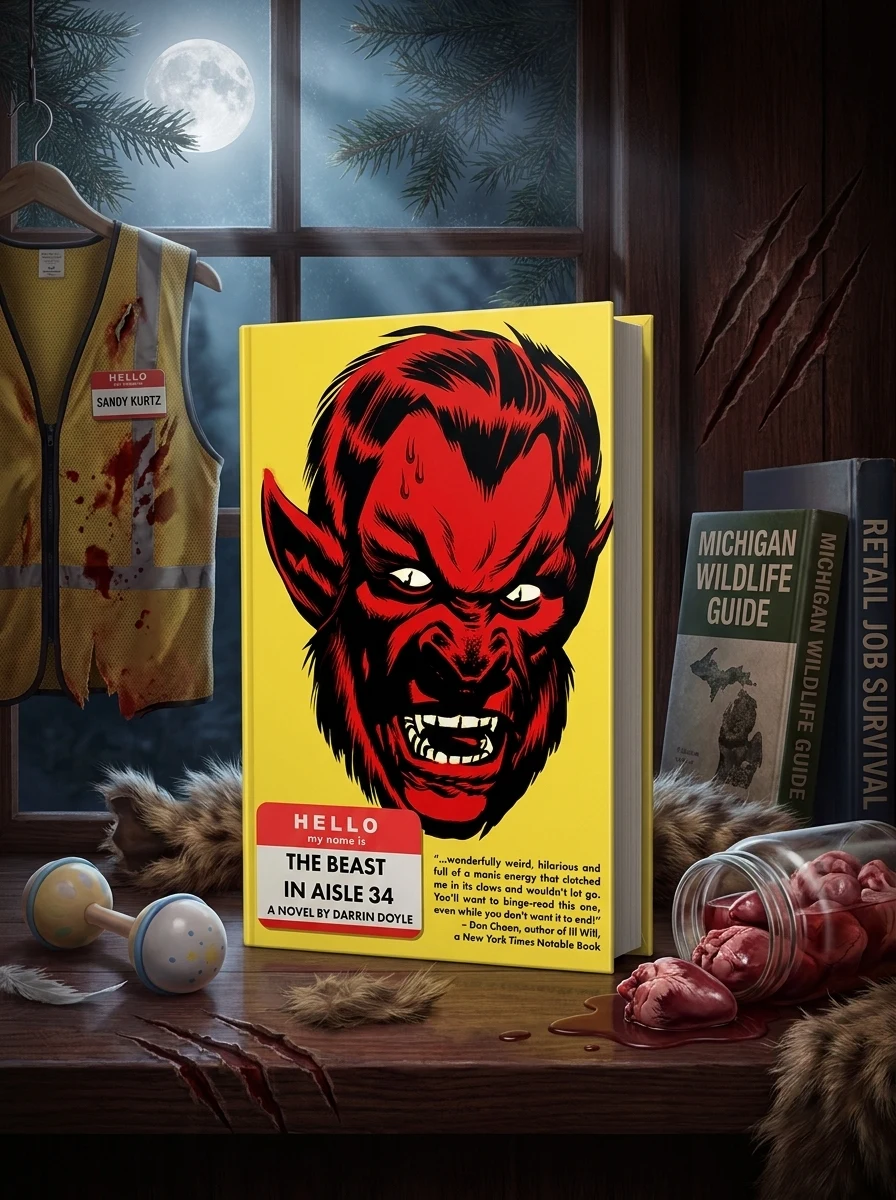
Sandy Kurtz works at a big-box store while dealing with an unwanted pregnancy for his wife and a loveless marriage. His only escape is a monthly transformation into a werewolf in rural Michigan. Doyle highlights the physical sensations of this change, such as tasting blood and feeling power. The book contrasts the dullness of retail life with the intensity of being a predator. It avoids traditional monster hunting plots, focusing instead on internal conflict and bodily horror. The narrative structure follows Sandy's dual existence without offering easy resolutions. This approach appeals to readers who prefer psychological depth over action-heavy sequences. Those expecting classic werewolf lore or historical settings will be disappointed by the modern, mundane setting.
The text is set in contemporary rural Michigan, reflecting modern anxieties about work and identity. It draws on werewolf folklore traditions but grounds them in the specific context of big-box retail employment. The narrative emerged from Tortoise Books in 2021, situating it within recent horror fiction trends.


📝 Description: The Beast in Aisle 34
💎 Our verdict on The Beast in Aisle 34
📖 Why choose it
Why this book is worth reading
Readers who prioritize psychological depth over action-heavy sequences will find this narrative compelling. It appeals to those interested in character-driven tales of identity crisis and the supernatural burden rather than straightforward horror. The book offers a unique juxtaposition of retail drudgery with visceral bodily functions, providing a grounded perspective on internal conflict. Those seeking complex mythological analysis or classic werewolf lore may be disappointed by the mundane setting. However, fans of dark fantasy and psychological horror will appreciate the focus on the protagonist's dual existence without offering easy resolutions.
⭐ Reader reviews
Reader rating
Doyle delivers a visceral examination of the tension between domestic failure and predatory freedom through Sandy Kurtz’s monthly transformations. The narrative excels in highlighting the physical sensations of change, such as tasting blood and feeling power, contrasting sharply with the dullness of retail life. By avoiding traditional monster hunting plots, the story focuses on internal conflict and bodily horror. This approach suits readers who prefer psychological depth over action. While it may disappoint those expecting classic lore or historical settings, it remains a grounded, character-driven tale that effectively uses the grotesque to explore identity crises within a modern, mundane context.
📖 Read on the blog
✍️ More books by this author Darrin Doyle


You might also like
See more →



Have a question about this item?
Ask about the edition, condition, delivery or anything else — we reply by email or phone, usually within a day.
