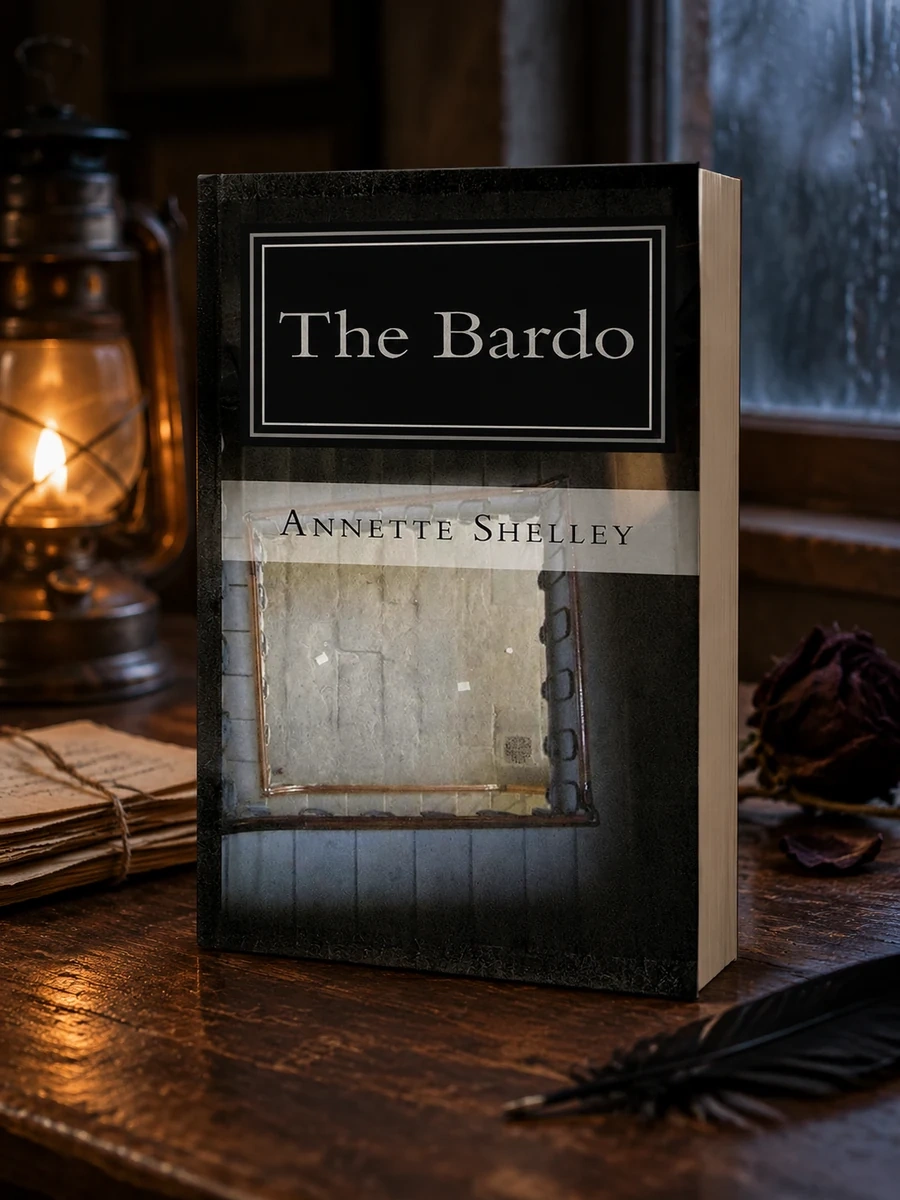
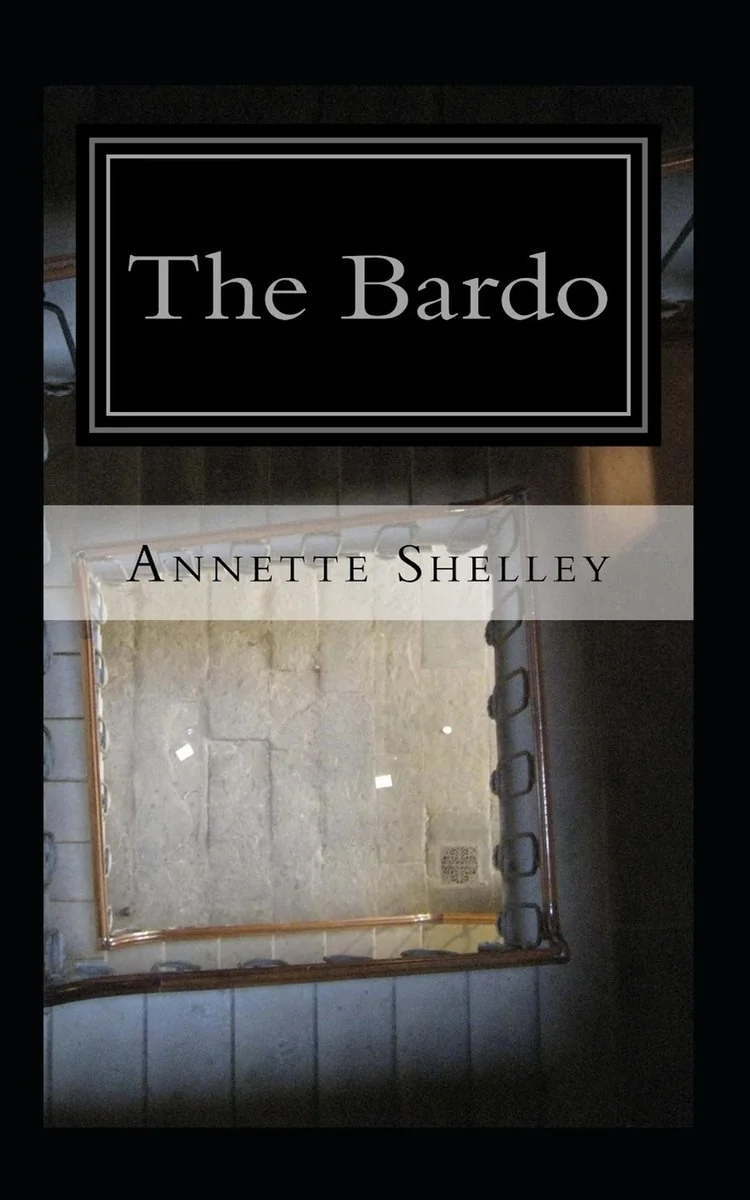
The Bardo
A therapist enters a mystical space between life and death to recover.
The novel follows Amelia Fox as she navigates a surreal experience initiated by a clinical study. What begins as a standard psychological evaluation transforms into a supernatural ordeal when a stranger introduces her to the Bardo. The core conflict involves recovering from trauma by reliving past deaths. Shelley uses the framework of past life regression to explore identity and mortality. The story blends elements of gothic fiction with modern psychological settings. It examines how memory and existence intersect in liminal spaces. The protagonist's isolation as the only participant heightens the tension. This structure allows for an intimate look at fear and survival.
Annette Shelley writes within the American tradition of horror and science fiction. Her work engages with mystical concepts found in supernatural fiction. The narrative reflects a modern interest in psychological studies and their intersection with spiritual beliefs. This places the book in a contemporary genre space that blends clinical settings with ancient metaphysical ideas.


📝 Description: The Bardo
💎 Our verdict on The Bardo
📖 Why choose it
Why this book is worth reading
Readers who appreciate the intersection of psychological depth and supernatural horror will find this narrative compelling. It offers a unique exploration of trauma recovery through the lens of past life regression, inviting audiences to contemplate the nature of memory and existence. Those interested in metaphysical questions regarding identity and the cycle of reincarnation will engage with the protagonist's intense internal journey. The book suits individuals who enjoy stories that prioritize atmospheric tension and philosophical inquiry over linear plot progression, providing an intimate look at fear and survival within a surreal framework.
⭐ Reader reviews
Reader rating
Shelley effectively blends gothic atmosphere with modern psychological settings to create a tense, introspective experience. By framing the protagonist's ordeal within the Bardo, the author elevates standard horror tropes into a meditation on mortality and selfhood. The non-linear structure emphasizes the repetitive nature of trauma, making it particularly resonant for fans of psychological horror. While the lack of traditional narrative progression may alienate some, it perfectly serves the book's thematic goals. It is best suited for readers who value atmospheric density and metaphysical speculation over conventional storytelling arcs.