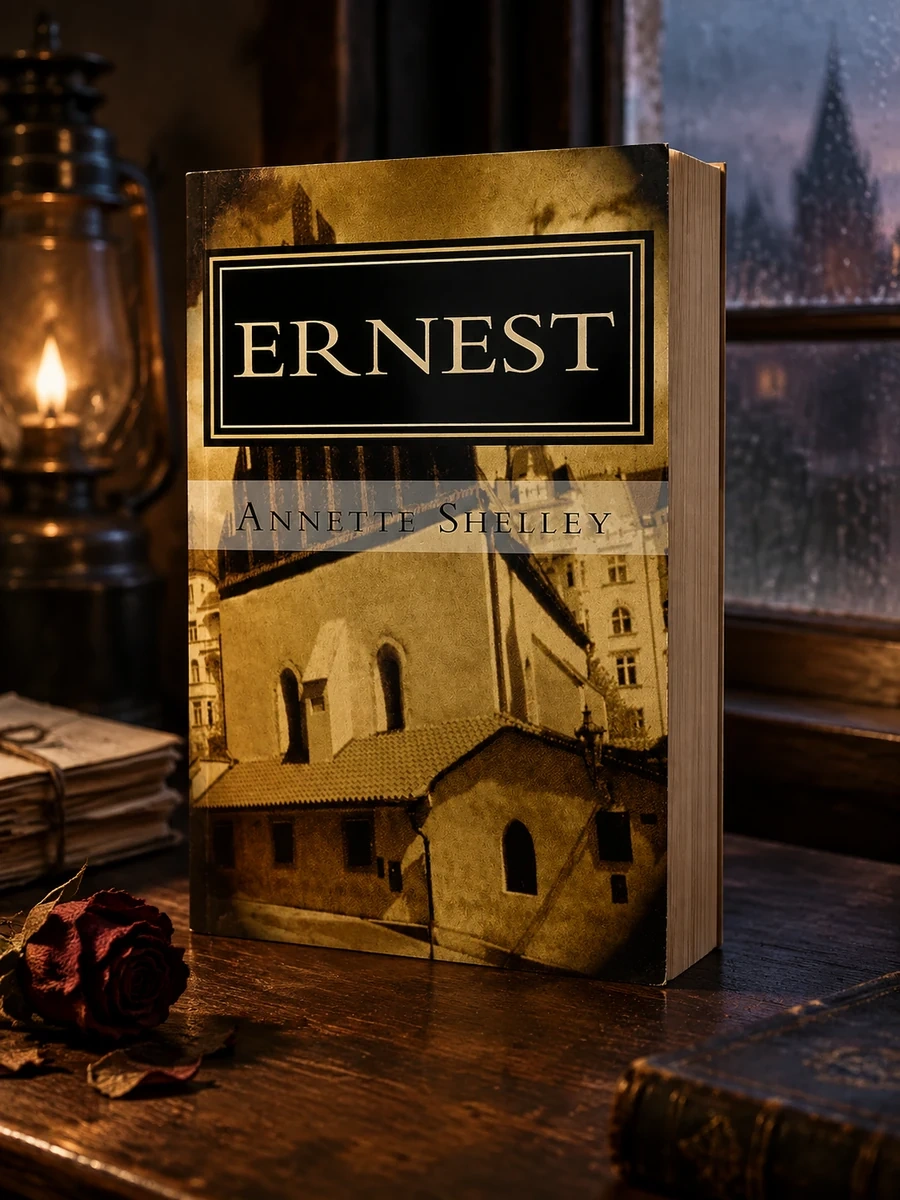
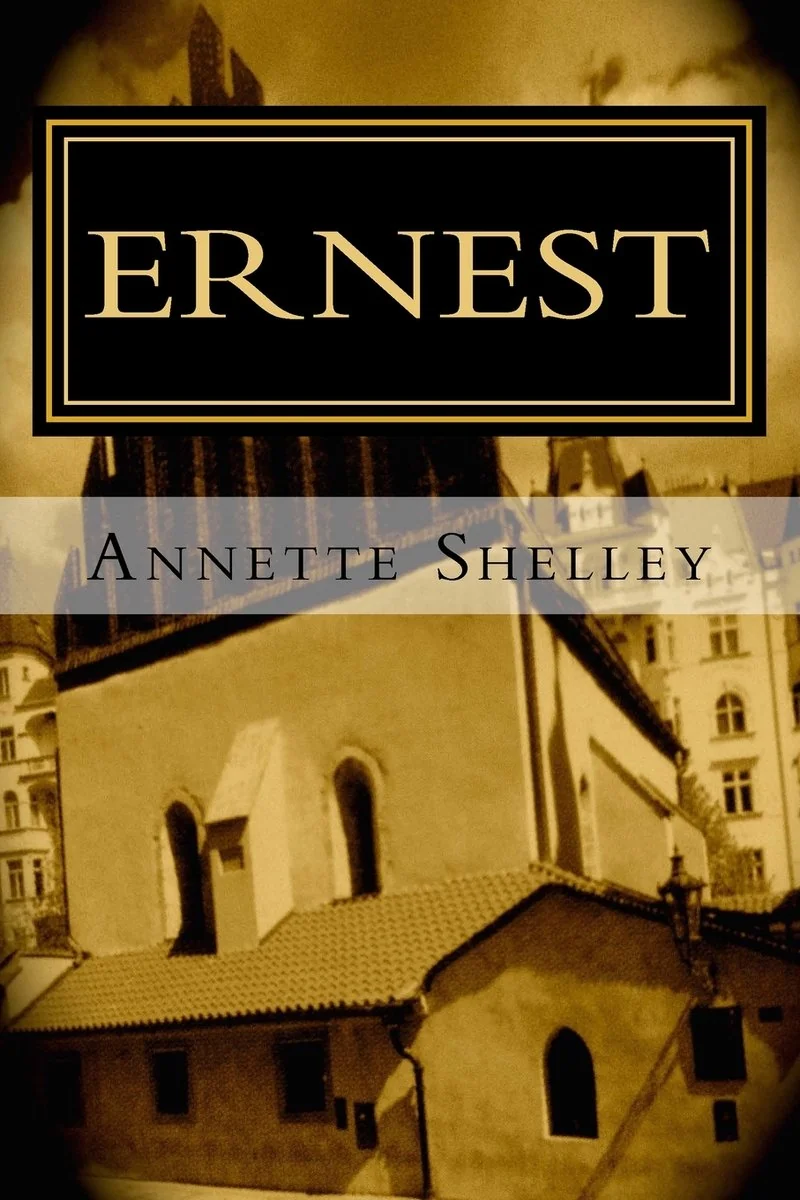
Ernest
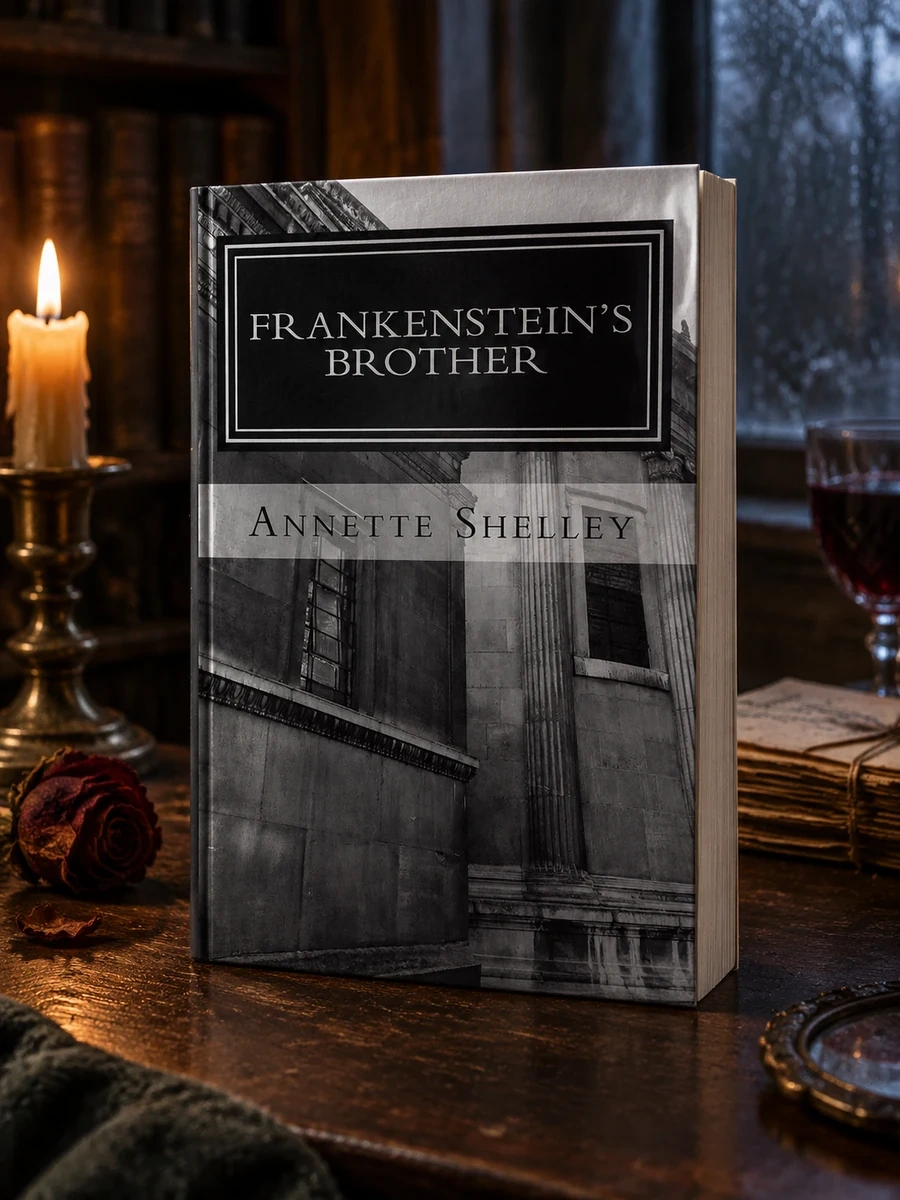
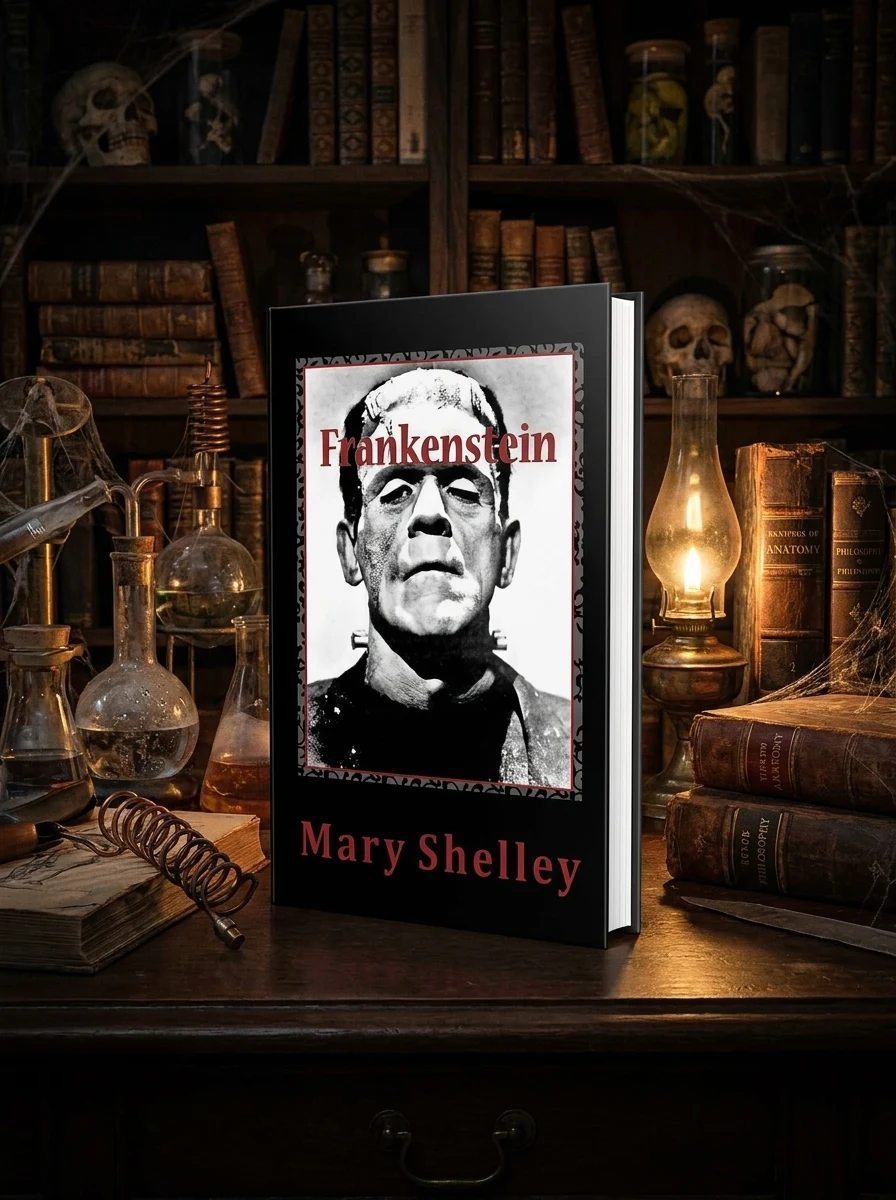
A sequel exploring Victor Frankenstein's overlooked middle brother, Ernest.
This narrative fills a void left by Mary Shelley’s original work by focusing on Victor’s middle brother. It examines Ernest’s life after the tragedy that claimed his family. The plot centers on his direct confrontation with the monster. This approach offers a different angle on the classic Gothic tale. It highlights the personal cost of Victor’s ambition through a sibling’s eyes. The story does not rehash the creation scene but instead deals with the aftermath. Readers interested in character-driven horror will appreciate this focused perspective.
This book engages with the Gothic and supernatural fiction traditions established by Mary Shelley’s 1818 classic. It addresses a specific narrative gap regarding Victor's family. The work sits within the horror genre, offering a direct response to the original text's unresolved plot points about the middle brother.


📝 Description: Ernest
💎 Our verdict on Ernest
📖 Why choose it
Why this book is worth reading
Readers who appreciate character-driven horror will find value in this narrative’s focused perspective on Ernest Frankenstein. The book offers a distinct angle on the classic Gothic tale by examining the personal cost of Victor’s ambition through a sibling’s eyes. It is ideal for those interested in psychological horror and the aftermath of tragedy rather than the creation scene itself. Those seeking a direct continuation of the original Gothic tradition will appreciate the engagement with established supernatural elements. However, readers preferring standalone tales without ties to the source may find the context limiting. The story highlights the struggle against an entity that destroyed his lineage, offering a unique exploration of legacy and survival within a well-known literary framework.
⭐ Reader reviews
Reader rating
Annette Shelley addresses a significant gap in Frankenstein lore by focusing on Victor’s overlooked middle brother, Ernest. The narrative effectively places Ernest in direct confrontation with the creature responsible for his family's demise, asking whether he can achieve success where his sibling failed. This approach highlights the personal cost of ambition through a unique familial lens. The work engages deeply with supernatural fiction and gothic horror elements established by the original classic. It suits readers interested in character-driven horror and the examination of aftermath over origin. While it relies entirely on Ernest’s survival premise, it offers a compelling look at familial legacy. This text is a relevant entry for those who enjoy direct continuations of Gothic tradition and psychological struggles against supernatural entities.