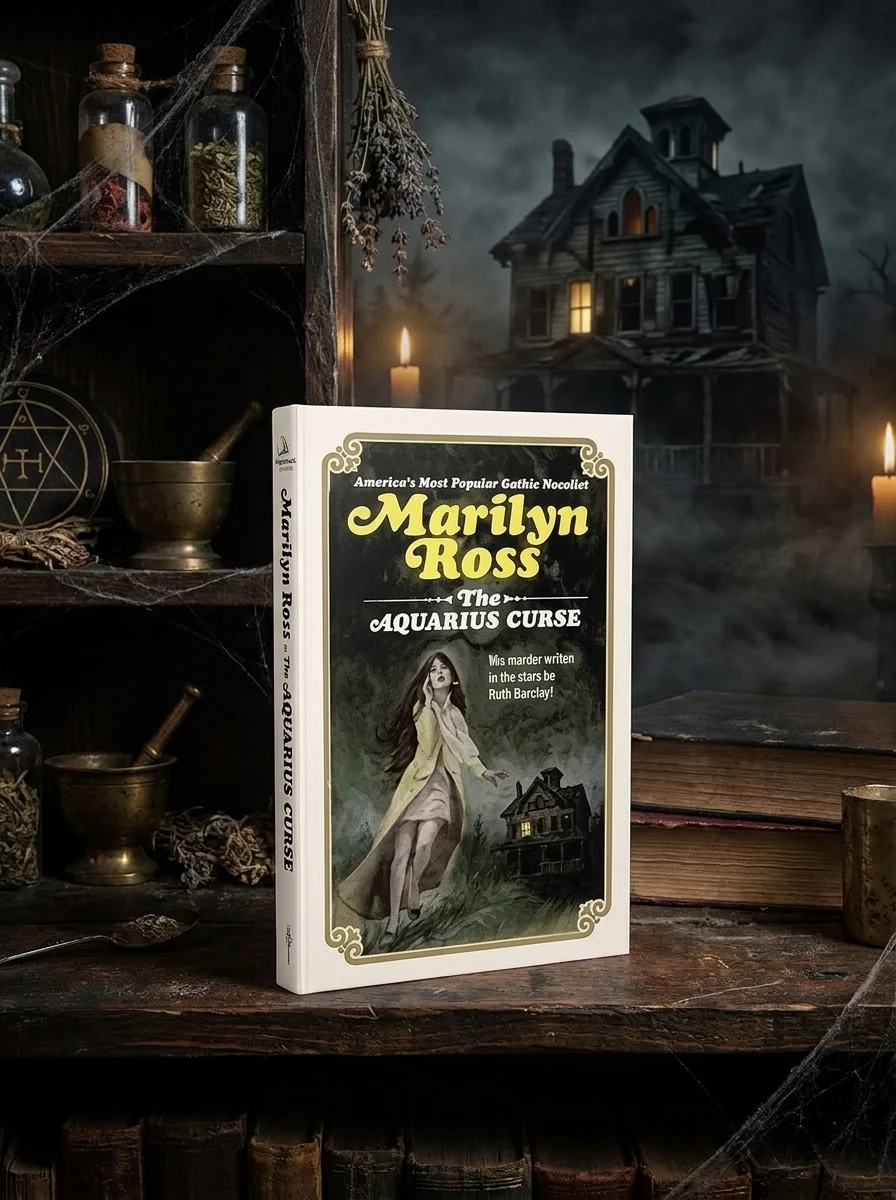
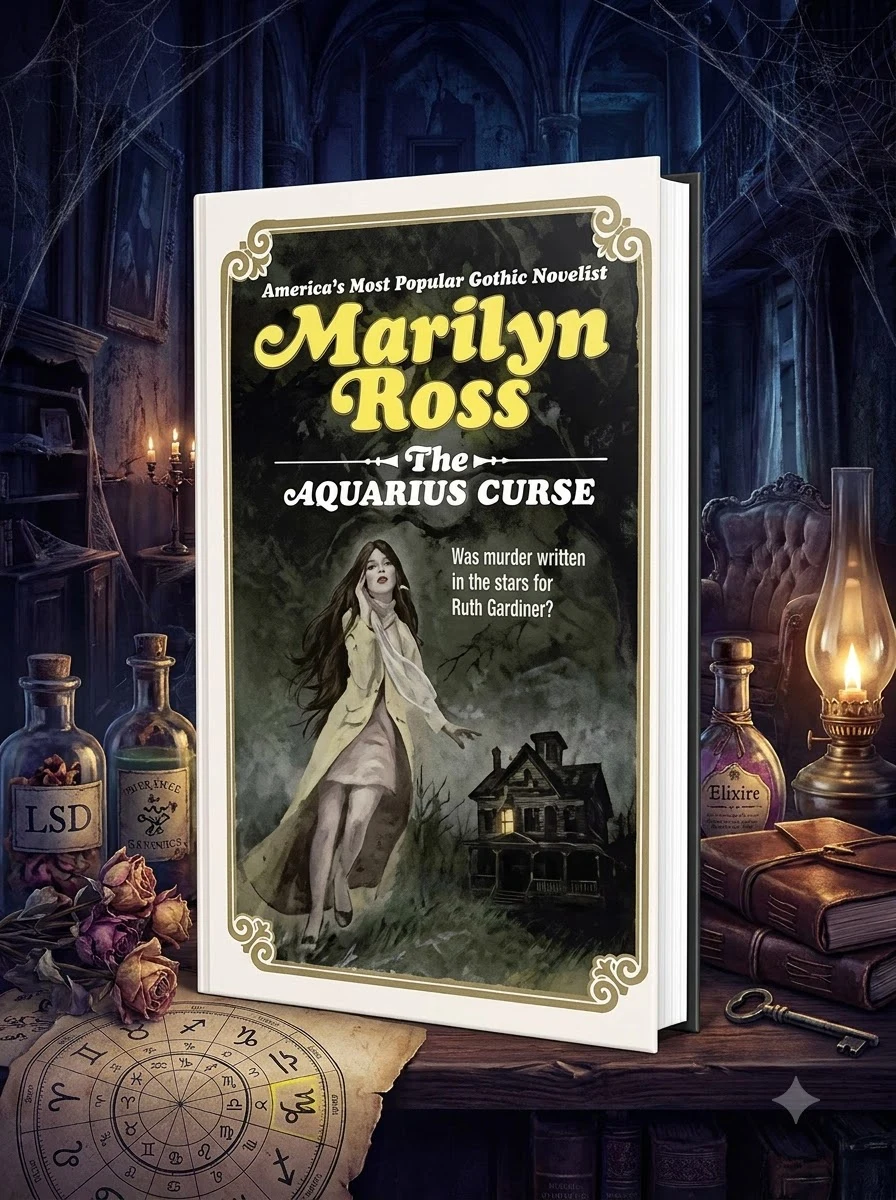
The Aquarius Curse
A woman trapped in a sinister hotel investigates her sister's disappearance amid a drug cult.
Ruth goes to Cranston House to find Mary, who disappeared after being associated with Aquarius. She meets Dr. Eric Palmer and his group, who say Mary is gone but give no details. Ruth quickly realizes she is trapped in the crumbling hotel. The story tracks her rising fear as she discovers Palmer's drug trials. A drugged guest mentions a past romance with Mary, adding complexity to the case. Ross uses this scenario to examine control and fear. The plot avoids simple solutions, building suspense through Ruth's loneliness. Fans of psychological horror will appreciate the mood, while those who like straightforward plots might find the cult's intentions too unclear.
This paperback edition from 2021 draws on mid-century tropes of drug culture and gothic isolation. It reflects a period where horror fiction often explored the psychological impacts of substance abuse within confined, oppressive settings like remote hotels.


📝 Description: The Aquarius Curse
💎 Our verdict on The Aquarius Curse
📖 Why choose it
Why this book is worth reading
Readers who appreciate slow-burning psychological horror and atmospheric tension will find this book compelling. It offers a deep dive into the fears of isolation and loss of control, centered on Ruth’s desperate search for her sister Mary within the sinister Cranston House. The narrative appeals to those interested in the intersection of drug trials, cult psychology, and gothic confinement. Fans of mood-driven stories that prioritize anxiety and paranoia over fast-paced action will enjoy the intricate exploration of Ruth’s growing dread as she uncovers Dr. Eric Palmer’s secrets. It is ideal for audiences seeking a cerebral, unsettling experience rather than straightforward resolutions.
⭐ Reader reviews
Reader rating
Marilyn Ross crafts a tense, atmospheric narrative where the crumbling hotel serves as both prison and psychological landscape. The story excels in building suspense through Ruth’s escalating paranoia and the ambiguity surrounding Mary’s disappearance. Ross effectively uses the drug cult setting to examine themes of control and fear, creating a claustrophobic mood that lingers. While the plot avoids simple solutions, this ambiguity may frustrate readers seeking clear answers or rapid pacing. However, for enthusiasts of gothic mystery and psychological horror, the novel delivers a rich, unsettling exploration of captivity and mental unraveling. It stands as a solid example of isolated, creepy storytelling.
📖 Read on the blog
✍️ More books by this author Marilyn Ross
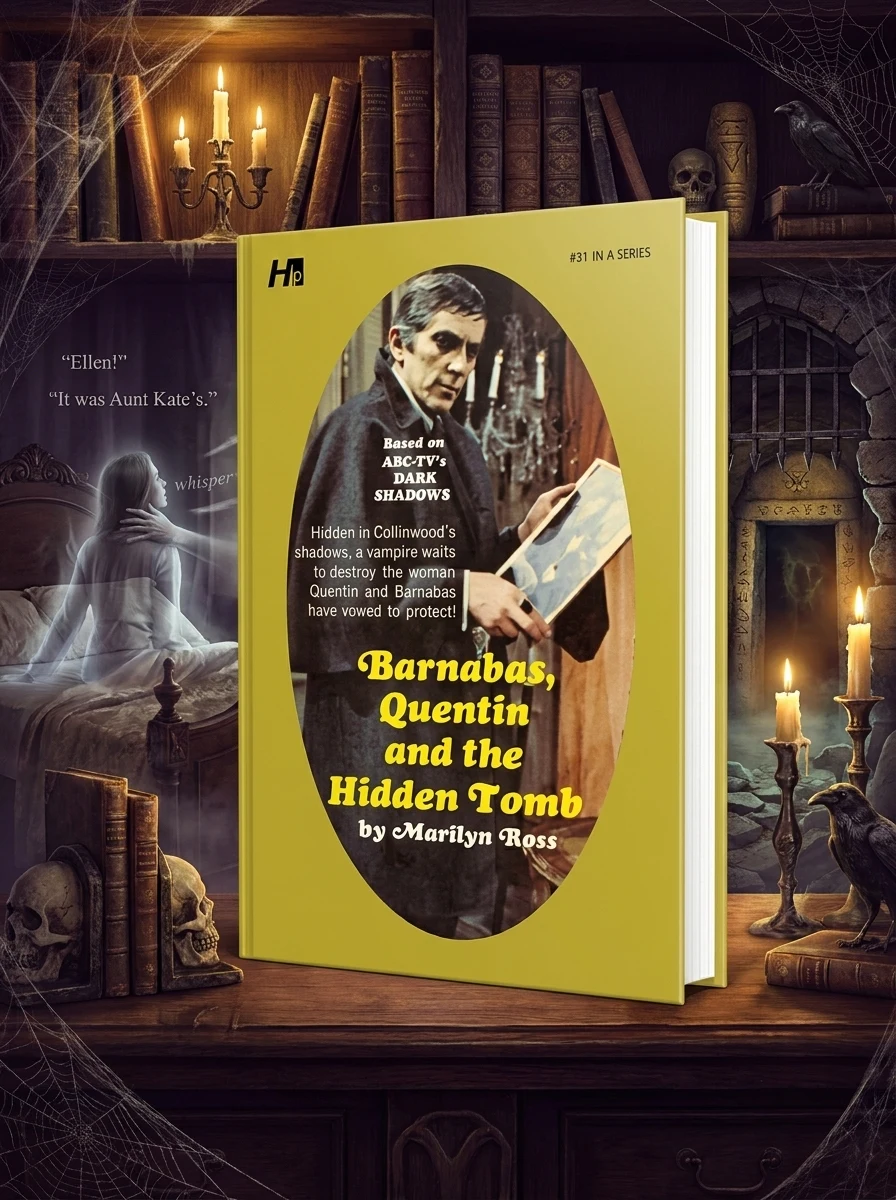


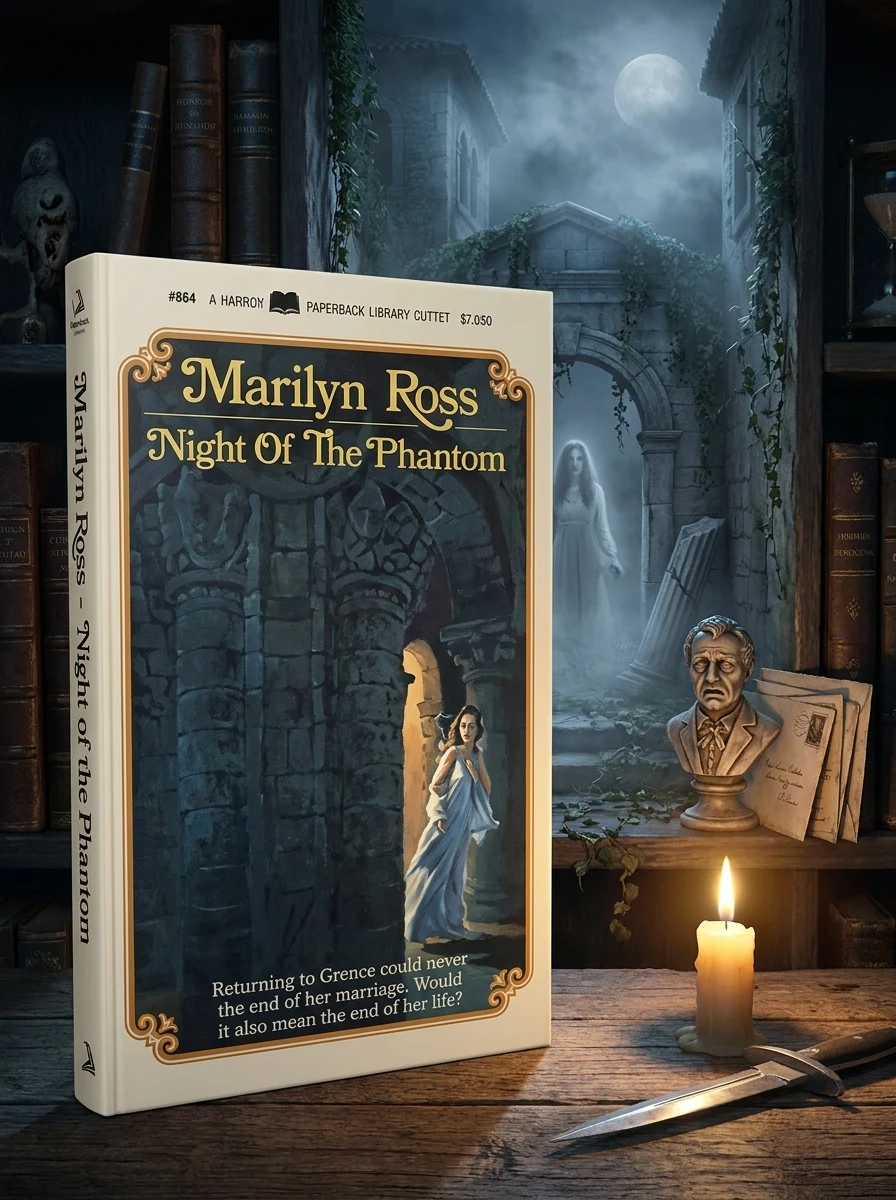
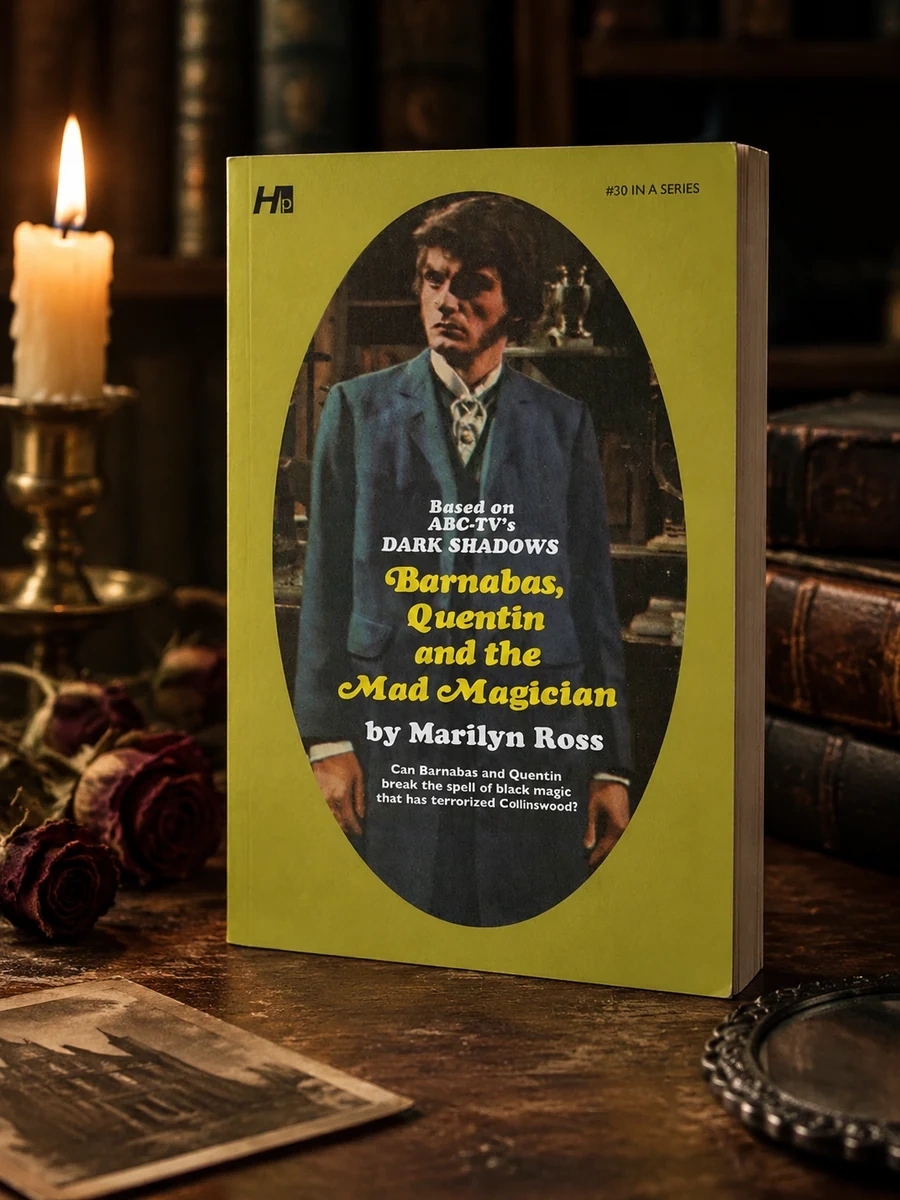
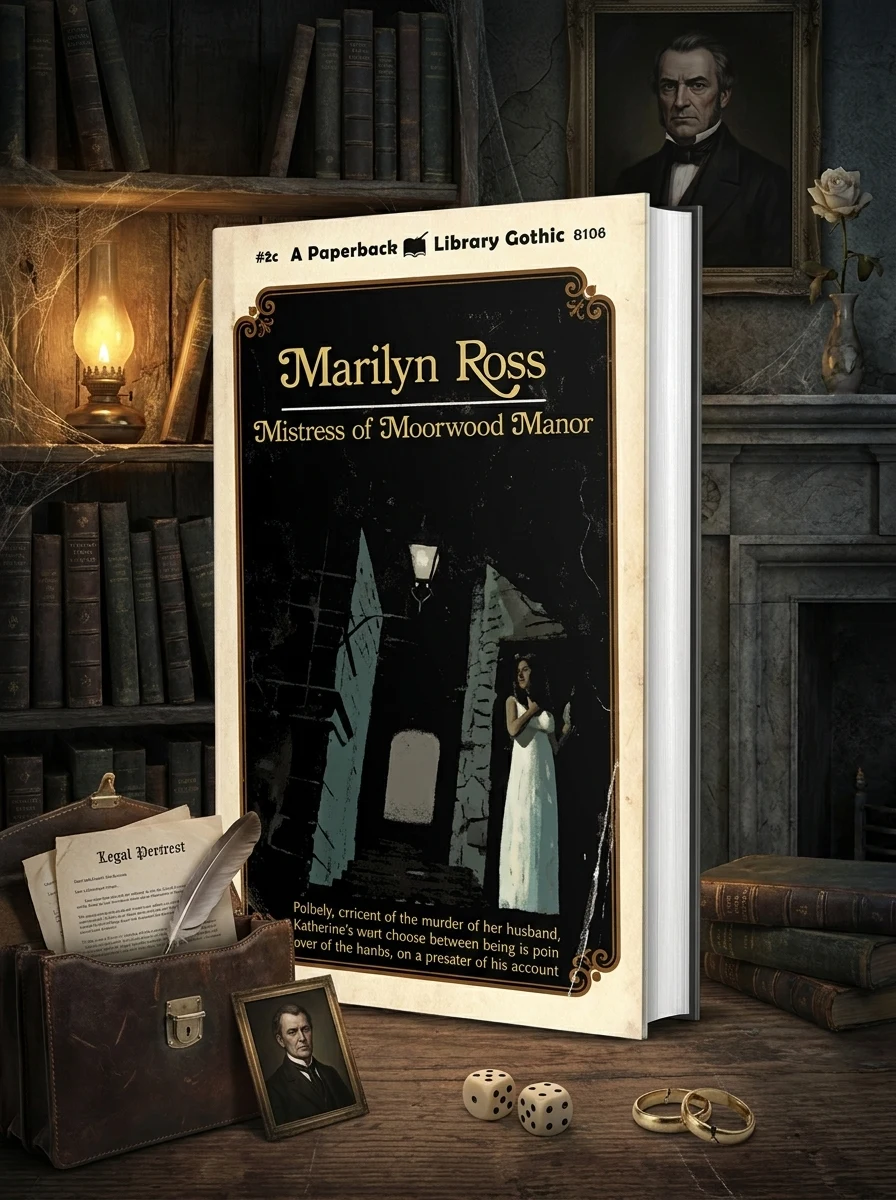
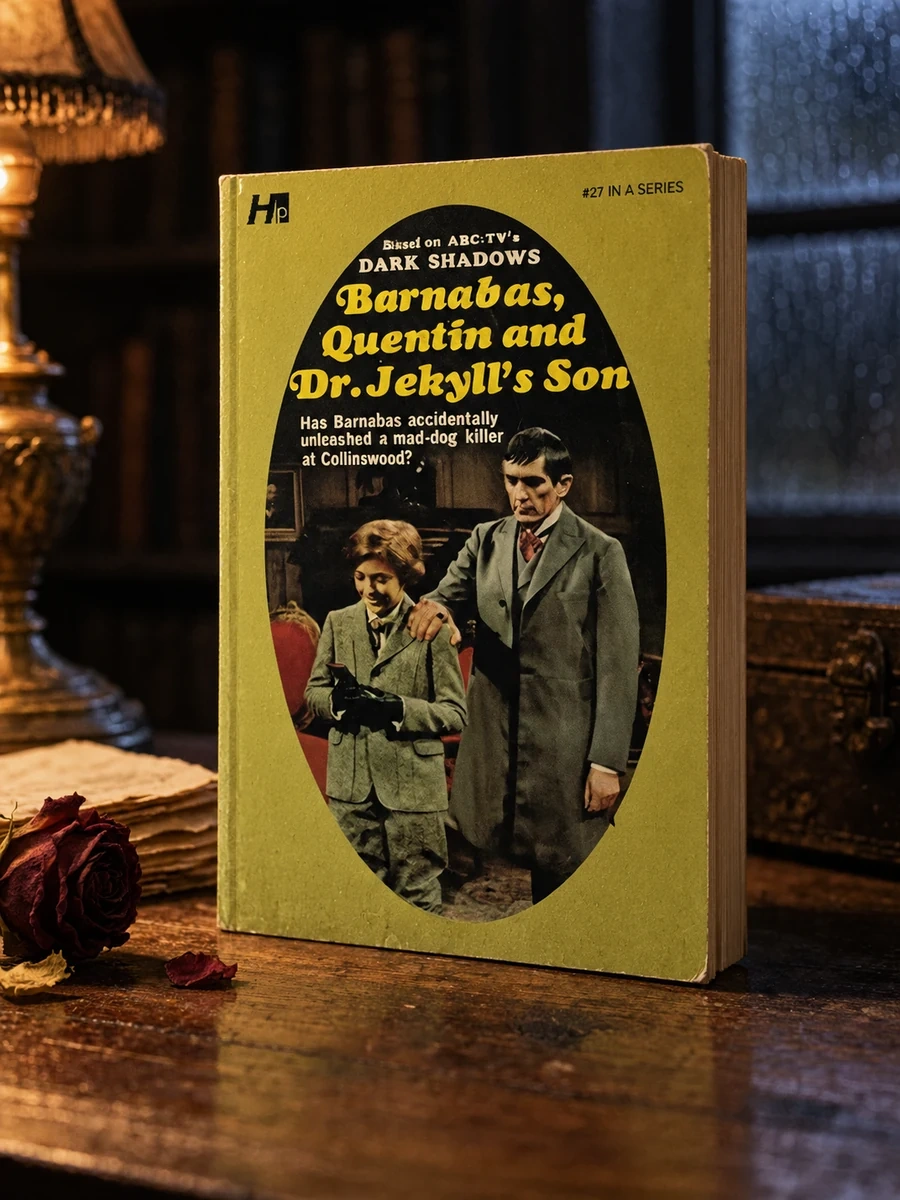
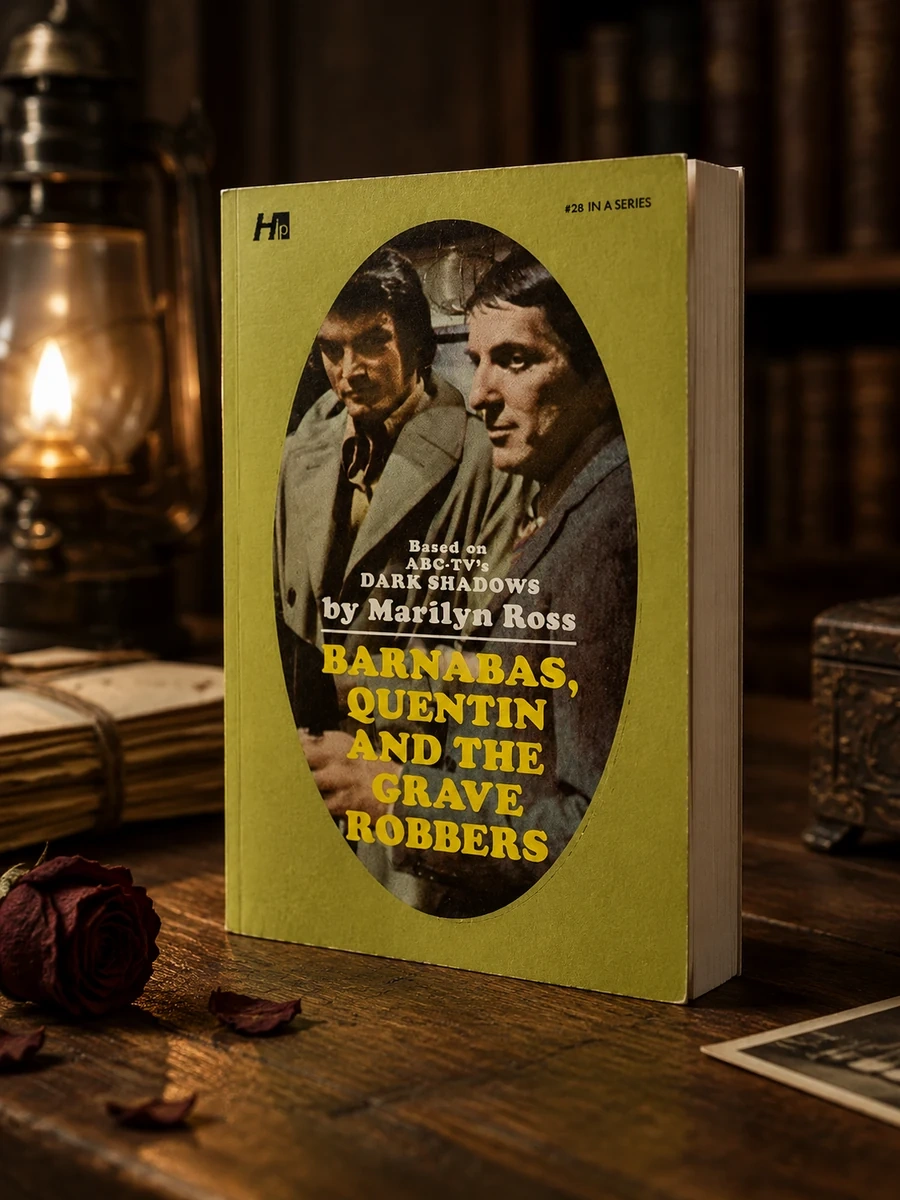
🏛 Books from this publisher Paperback Classics
You might also like
See more →
Have a question about this item?
Ask about the edition, condition, delivery or anything else — we reply by email or phone, usually within a day.
