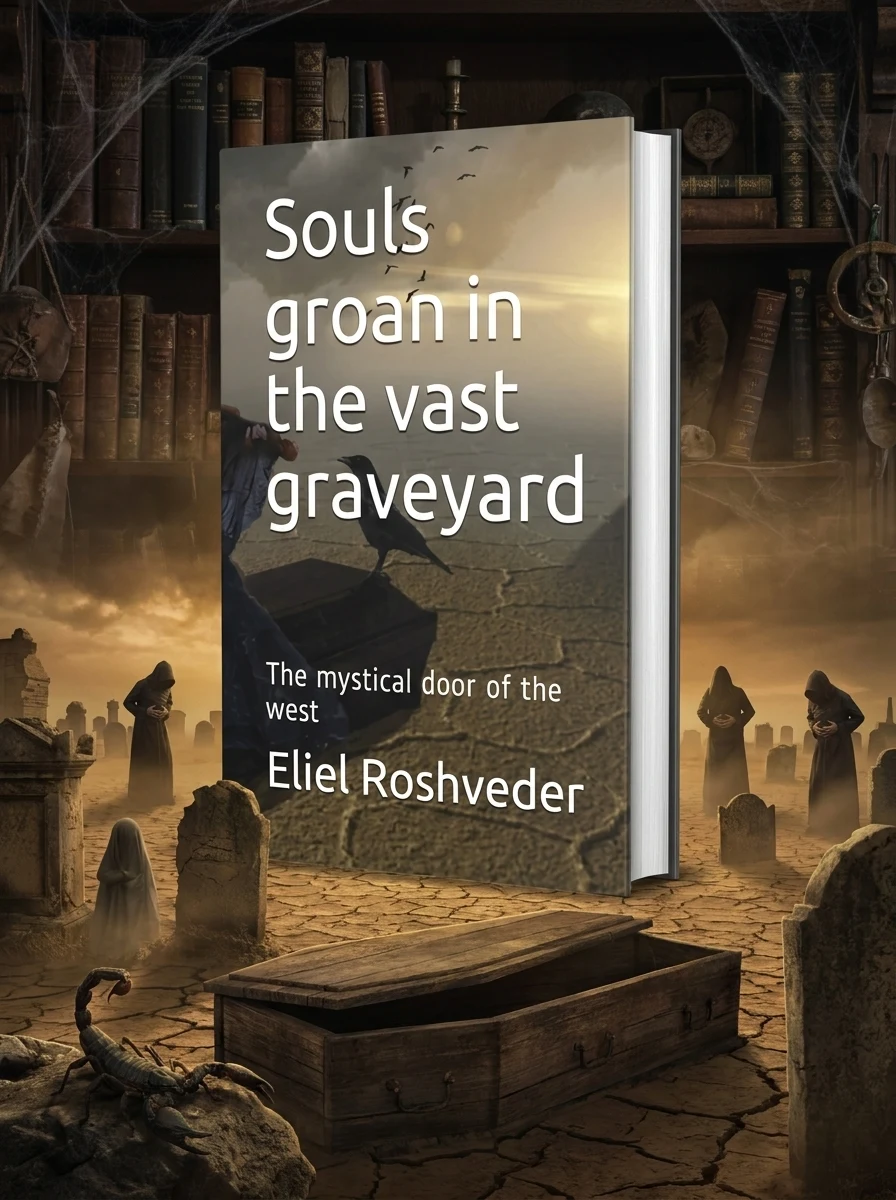
Souls groan in the vast graveyard: The mystical door of the west
A mystical tale of Samael and wounded figures in an Iraqi cemetery.
The narrative follows Samael after his battle with scorpions. He commands obedience rather than death. Three Golden Triangle supporters wake up in a large graveyard. They are in Najaf, Iraq. Their bodies bear the memory of sword wounds similar to those on Yeshua. The physical scars are gone but pain persists. A child’s cry fills the air. Roshveder uses these elements to build tension. The story blends combat with spiritual consequences. It does not explain the origins of the Golden Triangle. It focuses on the immediate experience of the characters. The setting in Najaf adds a layer of religious weight. The connection to Yeshua suggests a theological underpinning. Samael’s actions drive the plot forward. His refusal to kill highlights his desire for control. The three men serve as the focal point for the reader. Their confusion and pain ground the supernatural events. The child’s cry leaves a lasting impression.
The work references Najaf, Iraq, and Yeshua, situating itself within Christian mystical traditions and Middle Eastern geography. It blends supernatural combat with religious symbolism, drawing on specific biblical imagery to frame its narrative events.


📝 Description: Souls groan in the vast graveyard: The mystical door of the west
💎 Our verdict on Souls groan in the vast graveyard: The mystical door of the west
📖 Why choose it
Why this book is worth reading
Readers drawn to the esoteric intersections of theology and horror will find this narrative compelling. It offers a distinct experience for those interested in how spiritual authority manifests through physical pain and obedience rather than traditional violence. The focus on Samael as a commander seeking control, rather than destruction, appeals to fans of psychological and cosmic dread where power dynamics are central. Those who appreciate atmospheric settings rooted in real-world sacred geography, specifically Iraq, will value the immersive quality of the Najaf graveyard. The book is ideal for individuals who enjoy allegorical fiction that demands engagement with its symbolic language rather than straightforward plot resolution. It serves readers seeking a contemplative horror experience that lingers in the realm of the uncanny and the holy.
⭐ Reader reviews
Reader rating
Roshveder constructs a tense atmosphere by juxtaposing martial prowess with spiritual command, creating a unique subgenre blend. The narrative effectively uses the lingering pain of vanished sword wounds to ground supernatural events in visceral reality. By focusing on the immediate confusion of the three supporters, the author maintains reader empathy amidst cosmic ambiguity. The inclusion of a child’s cry adds an unsettling auditory layer to the visual horror. While the origins of the Golden Triangle remain unexplained, this deliberate omission enhances the mystical tone rather than detracting from it. The prose prioritizes specific actions over abstract concepts, making the theological underpinnings feel immediate and dangerous. This approach suits readers who prefer atmospheric dread and religious allegory over conventional storytelling structures.
📖 Read on the blog
📖 From the series “Suspense and Terror Tales”


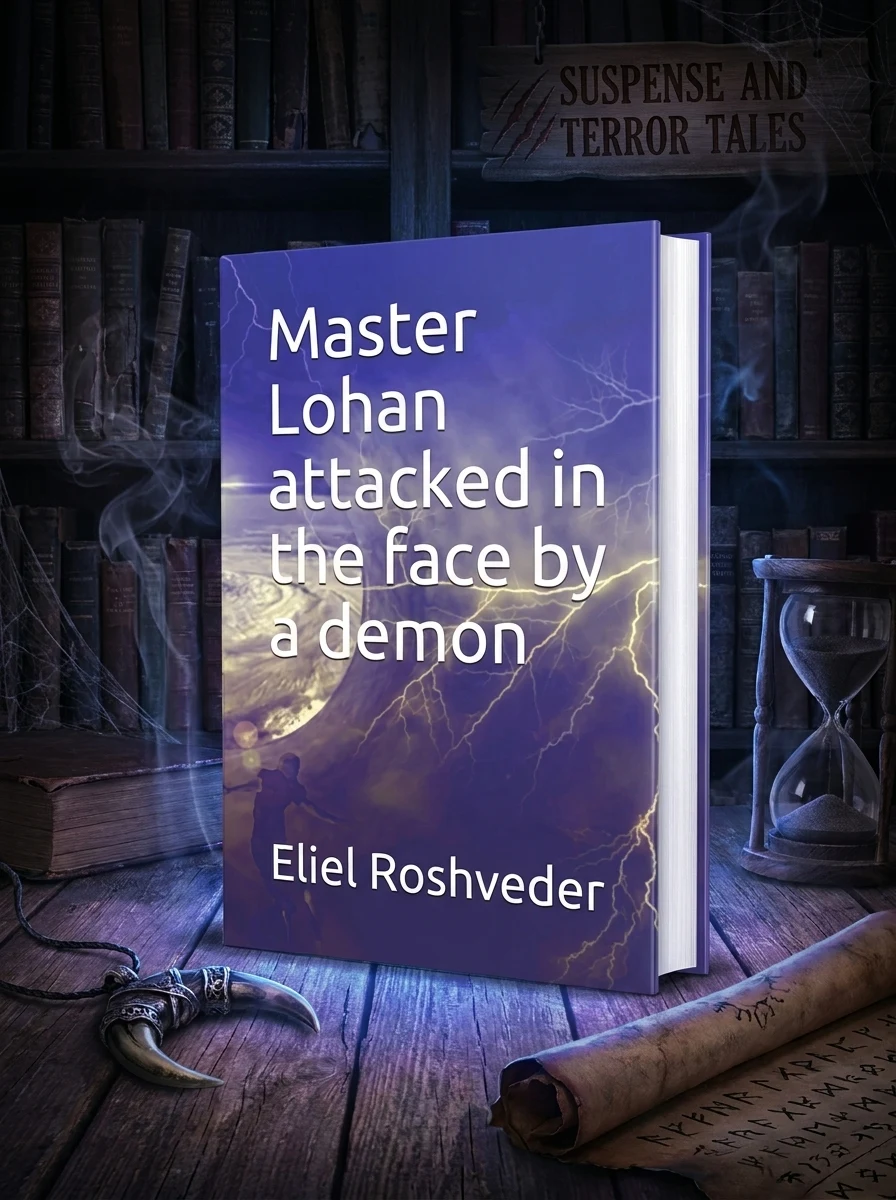
✍️ More books by this author Eliel Roshveder
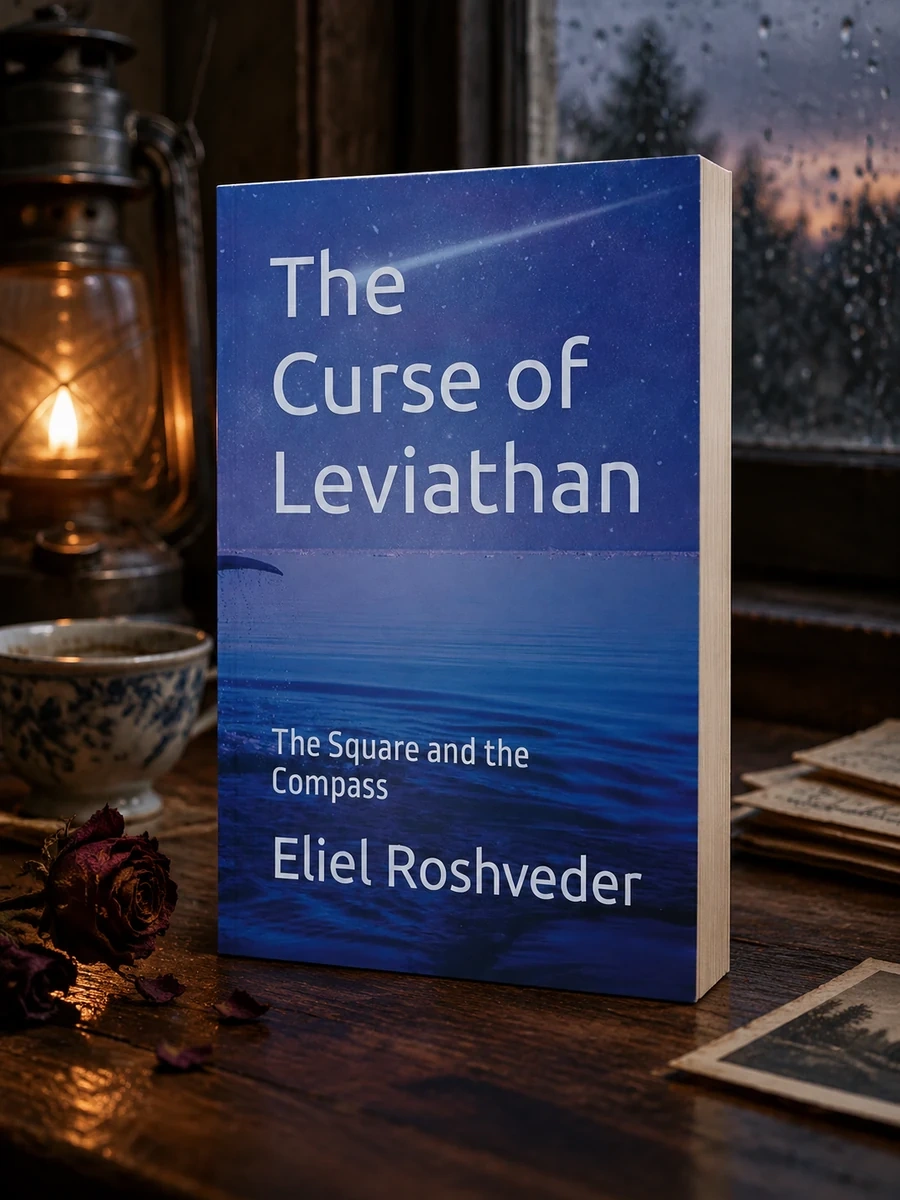
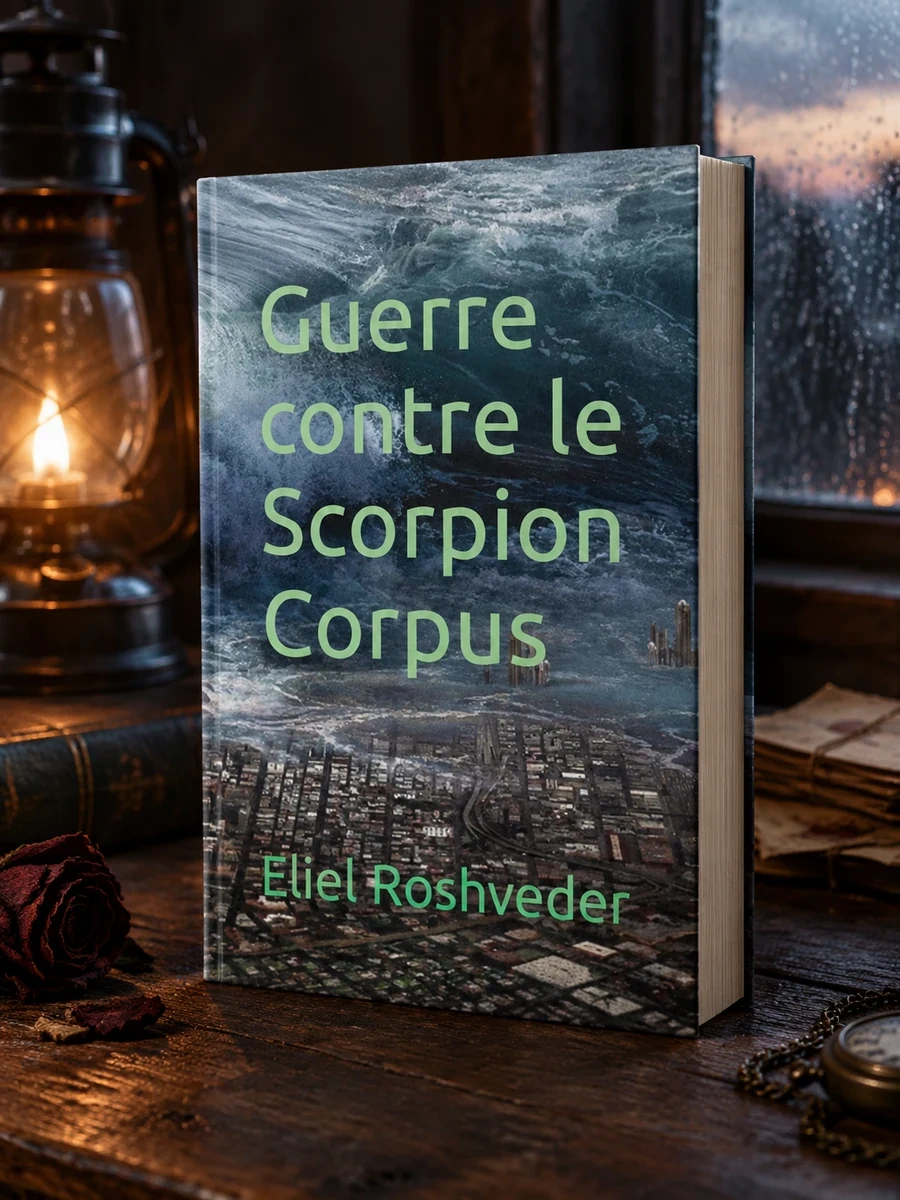
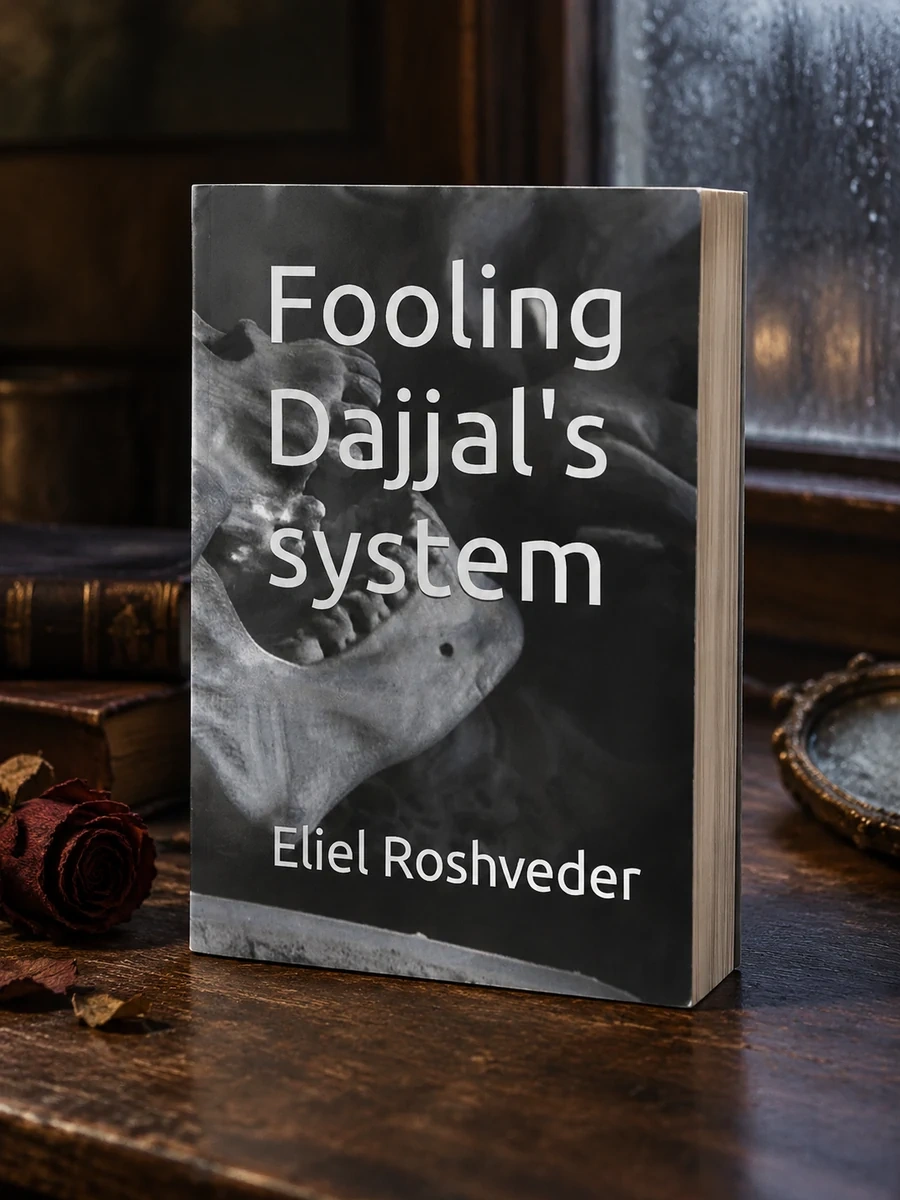

🏛 Books from this publisher Independently Published






You might also like
See more →


Have a question about this item?
Ask about the edition, condition, delivery or anything else — we reply by email or phone, usually within a day.
