Soul for Sale
A modern Faustian bargain unfolds on a digital marketplace with demonic consequences.
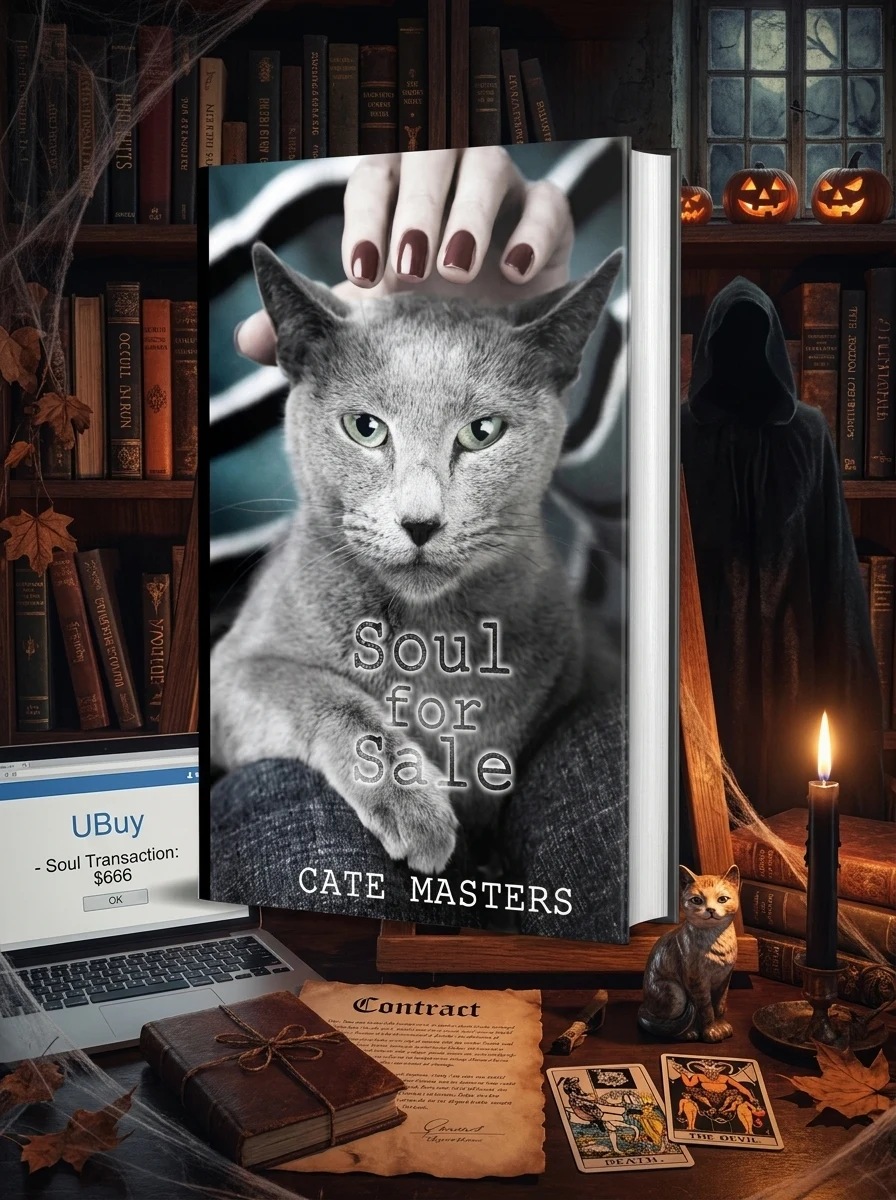
The novel centers on Madelyn, an artist who seeks success through a supernatural deal. She interacts with a mysterious buyer who demands specific services in exchange for her soul. Her cat Brutus accompanies her into these dangerous situations. The antagonist remains a vague, stalking presence until the end. Masters uses the concept of UBuy to critique modern consumerism within a horror framework. The story does not offer redemption or easy answers. It focuses on the immediate physical and spiritual threats Madelyn faces. The setting is contemporary, relying on the shock value of selling one's soul online. The narrative arc is linear, moving from the initial sale to the final confrontation on All Hallows Eve.
This work sits within contemporary urban fantasy and gothic horror traditions. It updates the classic soul-selling myth for a digital age, using modern e-commerce as the conduit for demonic interaction. The story reflects current anxieties about online transactions and instant gratification.


📝 Description: Soul for Sale
💎 Our verdict on Soul for Sale
📖 Why choose it
Why this book is worth reading
Readers who appreciate the fusion of classic supernatural tropes with modern societal critiques will find this narrative compelling. It appeals to those interested in how consumerism and digital transactions can be weaponized within horror frameworks. The story offers a fresh take on the Faustian myth, grounding it in present-day environments rather than historical settings. Fans of psychological tension and ambiguous moral outcomes will enjoy the escalating peril faced by the protagonist. The inclusion of a feline companion adds a unique layer to the traditional horror dynamic. It is ideal for audiences seeking immediate physical threats over scholarly analysis or non-fiction content.
⭐ Reader reviews
Reader rating
Masters effectively critiques modern consumerism by embedding it within a terrifying supernatural framework. The novel succeeds in blending gothic traditions with urban fantasy, creating a distinct atmosphere of dread. The linear narrative structure ensures that tension builds steadily through escalating dangers rather than complex plotting. While the antagonist remains vague for much of the text, this ambiguity serves to heighten the sense of stalking presence. The focus on immediate physical and spiritual threats provides a visceral reading experience. It is best suited for horror enthusiasts who enjoy contemporary settings and moral ambiguity. Those preferring historical horror or detailed non-fiction may find the scope too narrow. The ending remains uncertain until the climax, preserving the story's impact.