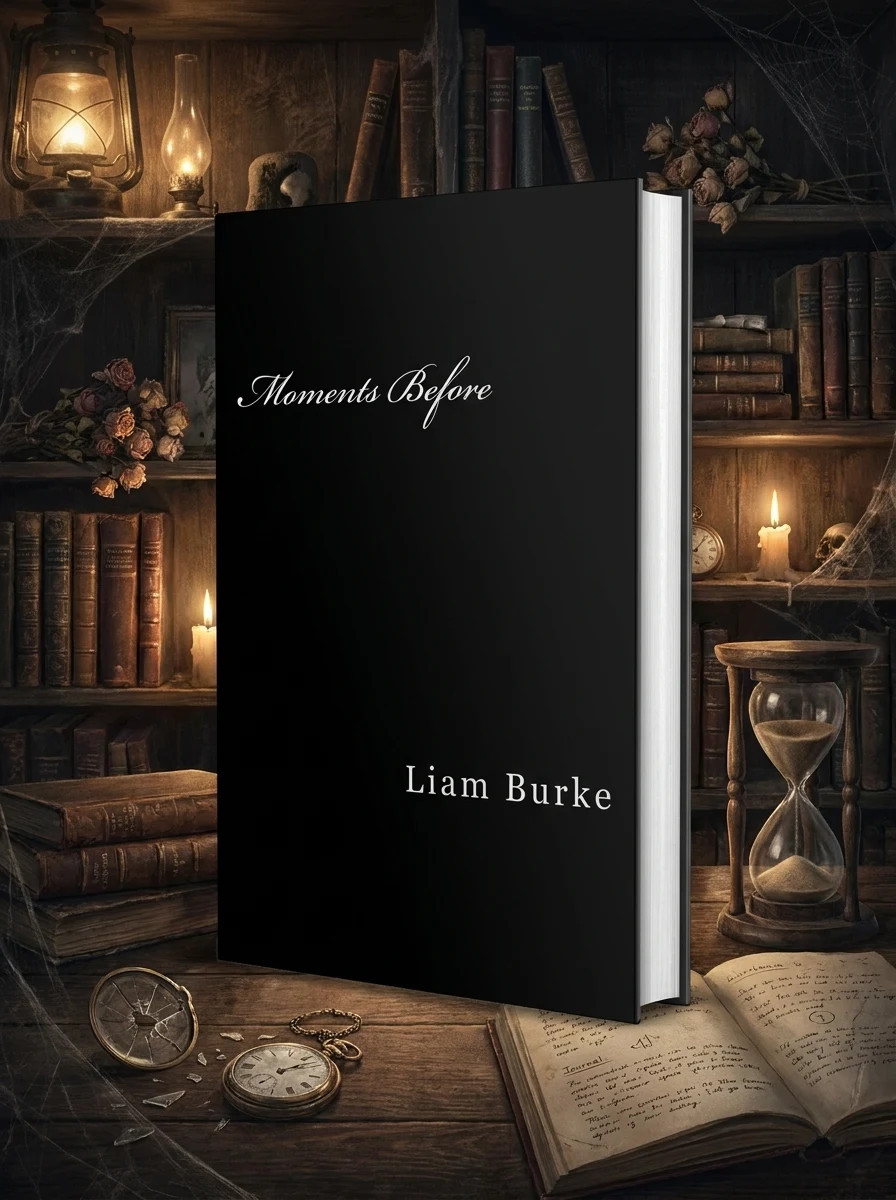
Moments Before
A study of the terrifying anticipation preceding horror events in gothic fiction.
Burke investigates the specific timeframe where dread peaks before realization fully sets in. The collection analyzes how fragmented events coalesce into a unified sense of terror. By focusing on this transitional phase, the author highlights the psychological weight carried by characters on their paths into horror. The work utilizes sources from the gothic and supernatural traditions to illustrate these moments. It avoids conventional jump scares in favor of examining the structural elements of fear. Readers interested in the mechanics of suspense will find value in this analysis. The text remains grounded in the literary history of the genre without adding external commentary.
Published in 2013 by Createspace Independent Publishing Platform, this work sits within the contemporary landscape of independent horror literature. It engages with long-standing gothic and supernatural traditions, offering a focused examination of fear that bridges classic genre elements with modern publishing formats.


📝 Description: Moments Before
💎 Our verdict on Moments Before
📖 Why choose it
Why this book is worth reading
Readers who appreciate the subtle, slow-burning tension of gothic storytelling will find profound value in this examination of fear. It is ideal for those interested in the structural elements of suspense and the psychological weight carried by characters before a horror event unfolds. By avoiding conventional jump scares, the book offers a distinct perspective on how terror is constructed through timing and perception. This study appeals to scholars and enthusiasts of literary history who wish to understand the mechanics of dread without external commentary. It provides a grounded analysis of fragmented events coalescing into unified terror, making it essential for anyone seeking to comprehend the mental states preceding climax in classic horror traditions.
⭐ Reader reviews
Reader rating
Burke delivers a compelling study of the terrifying anticipation preceding horror events, focusing on the transitional phase where dread peaks before realization. The work excels in analyzing how fragmented elements combine to create a larger frightening whole, utilizing sources from gothic and supernatural traditions effectively. It avoids immediate violence, prioritizing atmosphere over shock. This approach suits readers who value the slow realization of impending doom and the psychological depth of characters on paths into horror. While it may not appeal to those seeking fast-paced action or explicit gore, it stands as a vital exploration of suspense mechanics. The text remains grounded in literary history, offering a sophisticated look at how fear is built through timing rather than content alone.