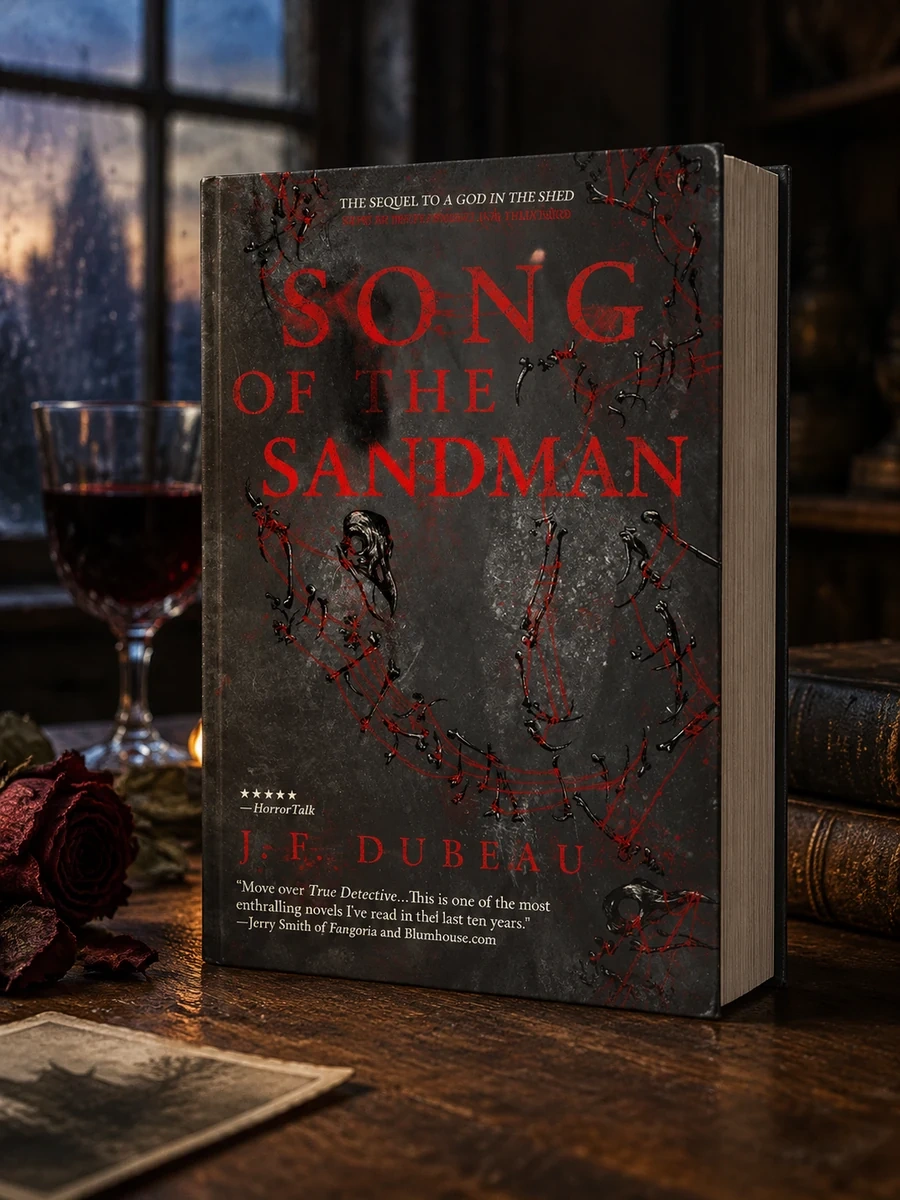
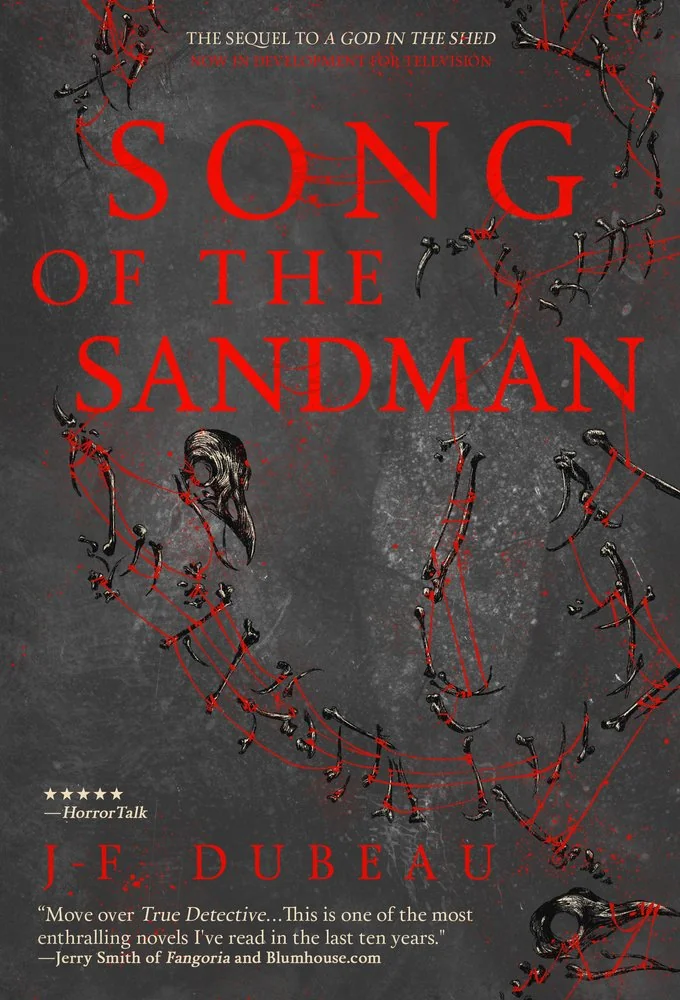
Song of the Sandman
A gothic horror novel about a cult and a malevolent god after a circus tragedy.
Venus McKenzie investigates the aftermath of a shooting at Cicero's Circus. A doomsday cult captures the shooter to serve a malevolent god. The village suffers a mass exodus as residents flee the lingering dread. Those who stay know the violence will repeat. Venus seeks secrets to fight these dark forces. Dubeau writes in a style that recalls Arthur Machen and Robert Chambers. The book blends cosmic horror with gothic fiction traditions. It focuses on trauma, cult dynamics, and supernatural retribution. Readers interested in atmospheric dread and psychological horror will find this engaging. Those preferring fast-paced action or clear resolutions may find it unsettling.
The book is published by Inkshares in 2021. It draws on the gothic and cosmic horror traditions of Arthur Machen and Robert Chambers. The story is set in a village dealing with the aftermath of a shooting at Cicero's Circus.


📝 Description: Song of the Sandman
💎 Our verdict on Song of the Sandman
📖 Why choose it
Why this book is worth reading
Readers drawn to atmospheric dread and psychological horror will find this narrative deeply engaging. It appeals to those interested in the lingering trauma of violence and the dynamics of doomsday cults. The book offers a tense exploration of spiritual decay and ancient evil, suitable for fans of cosmic horror who enjoy stories where the threat is unstoppable and unresolved. Those preferring fast-paced action or clear resolutions may find it unsettling, but enthusiasts of gothic fiction will appreciate its focus on secrets, retribution, and the encroachment of malevolent forces upon a community.
⭐ Reader reviews
Reader rating
J-F Dubeau crafts a compelling blend of gothic atmosphere and cosmic horror, centering on the aftermath of a circus tragedy. The narrative effectively explores trauma, cult dynamics, and supernatural retribution through Venus McKenzie’s investigation. By drawing on established weird fiction traditions, the text creates a tense environment where violence feels like a prelude to further tragedy. This work suits readers who enjoy atmospheric dread and psychological complexity over traditional mystery solutions. It is an unsettling but rewarding experience for those interested in the spiritual decay of communities facing ancient evil.