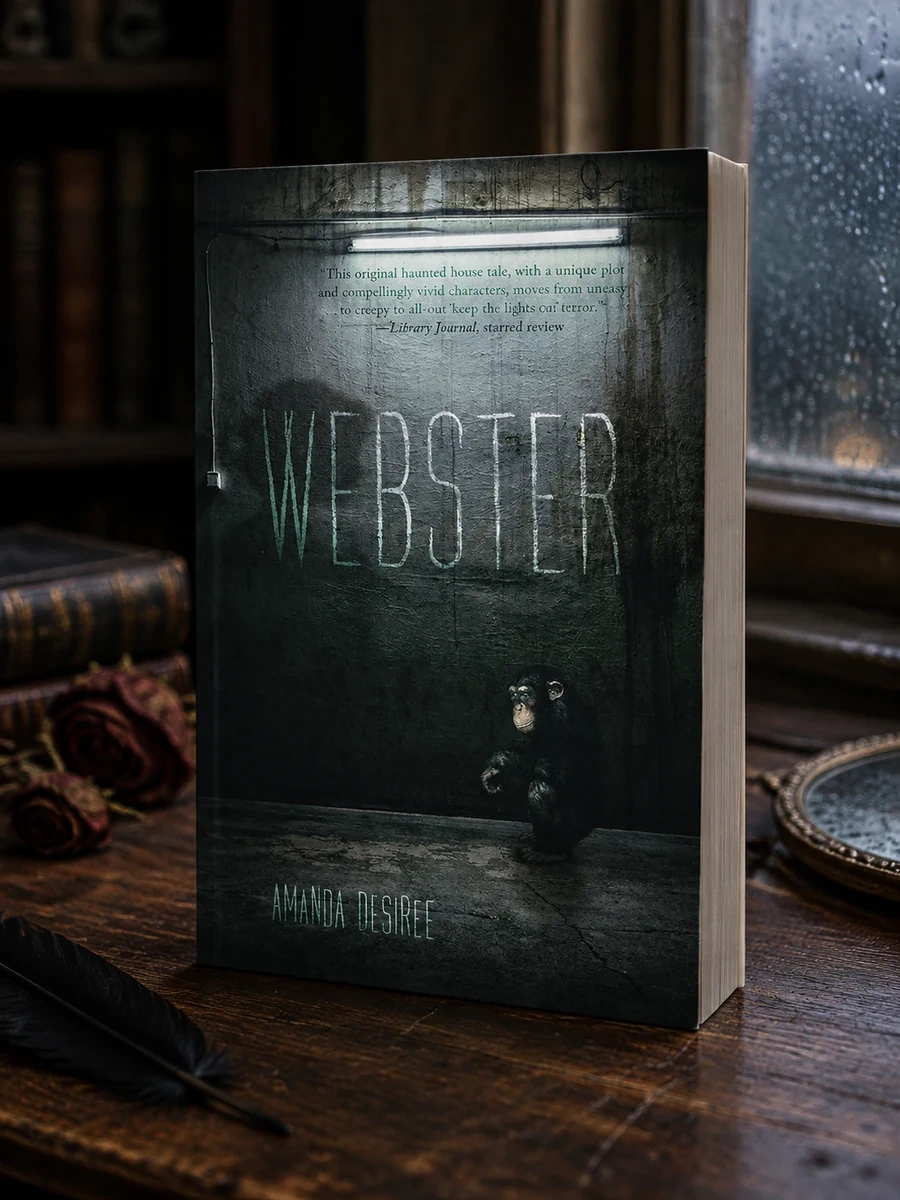
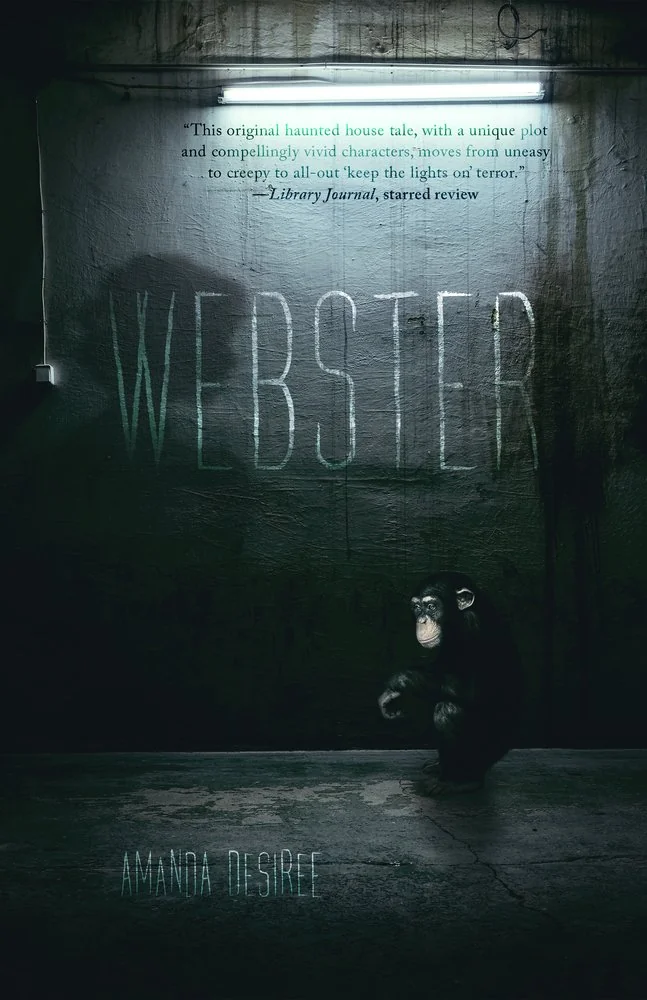
Webster
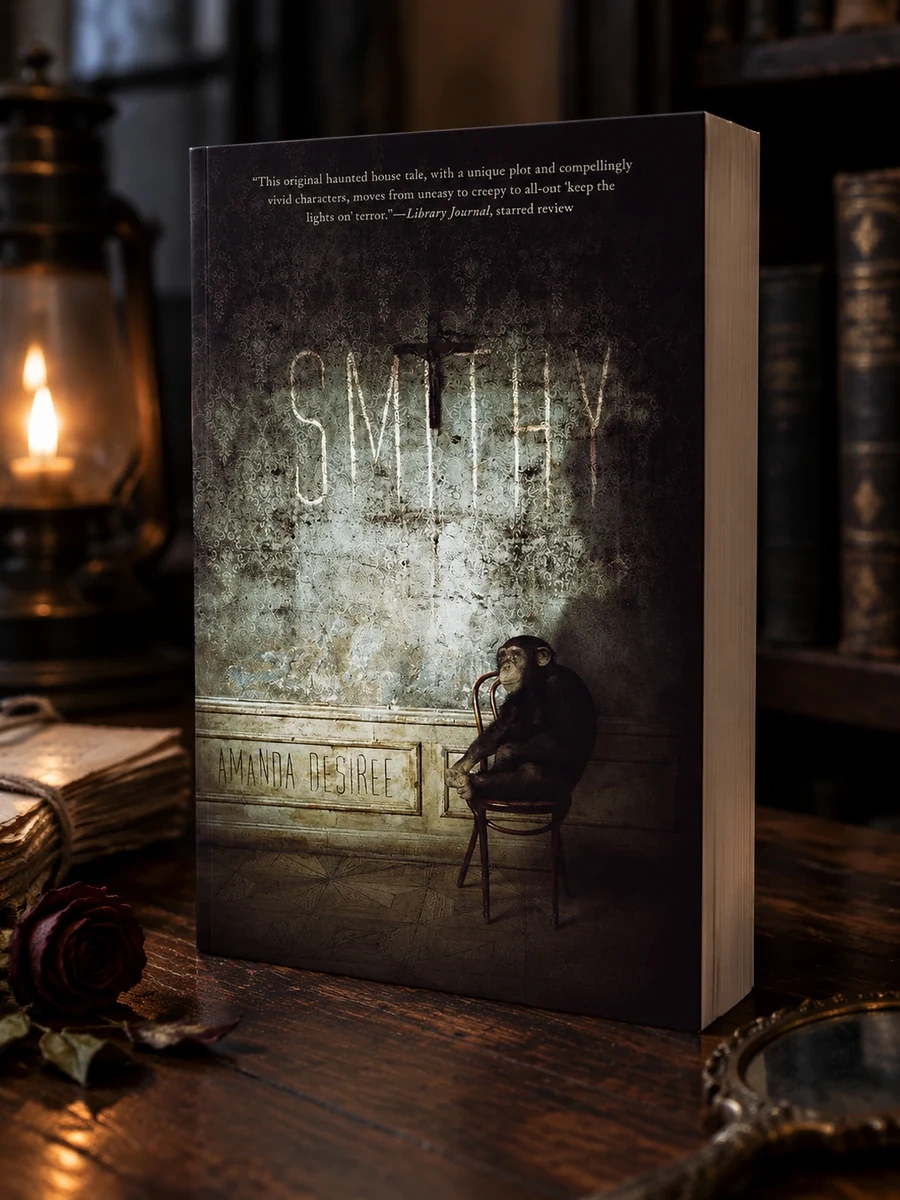
A documentary-style account of a chimpanzee linked to supernatural tragedy.
Desiree investigates the life of Webster, a chimp studied in Rhode Island before being transferred to California. The author details the transition from Trevor Hall to CSAM, highlighting the shift from academic study to cruel experimentation under Manfred Teague. The narrative focuses on the lingering effects of the original tragedy and the subsequent legal and social fallout. By examining courtroom testimonies and the actions of former researchers Jeff Dalton and Ruby Cardini, the book constructs a portrait of an entity that may have connected different realms. The work stands as a record of how scientific ambition collided with unexplained forces.
The narrative is set against the backdrop of 1970s America, specifically tracking events from the summer of 1974 in Rhode Island through the waning years of that decade in California. It reflects on the era's scientific practices and legal systems during a time when such research was expanding.


📝 Description: Webster
💎 Our verdict on Webster
📖 Why choose it
Why this book is worth reading
Readers who appreciate horror derived from scientific ethics and institutional cruelty will find this documentary-style ghost story compelling. It appeals to those interested in gothic fiction and supernatural phenomena rooted in real-world research, offering a portrait of an entity that may have connected different realms. The narrative examines how the intersection of animal research and supernatural events can lead to lingering tragic effects. By exploring courtroom testimonies and the actions of former researchers, the book constructs a chilling record of scientific ambition colliding with unexplained forces. It is ideal for audiences seeking heavy, thought-provoking horror rather than lighthearted entertainment or pure fantasy.
⭐ Reader reviews
Reader rating
Amanda Desiree’s Webster effectively merges the genres of cosmic and psychological horror with a documentary structure to create a unique reading experience. The author skillfully details the transition from academic study to cruel experimentation, highlighting the shift in tone as scientific ambition encounters dark presences. The narrative’s strength lies in its examination of courtroom testimonies and legal fallout, which grounds the supernatural elements in a tangible, eerie reality. This approach makes the horror feel immediate and consequential rather than fantastical. The book suits readers who enjoy gothic fiction and are intrigued by the ethical boundaries of research. It avoids conventional plot resolutions, instead focusing on the haunting implications of the events described, ensuring a lingering sense of dread that resonates long after the final page.