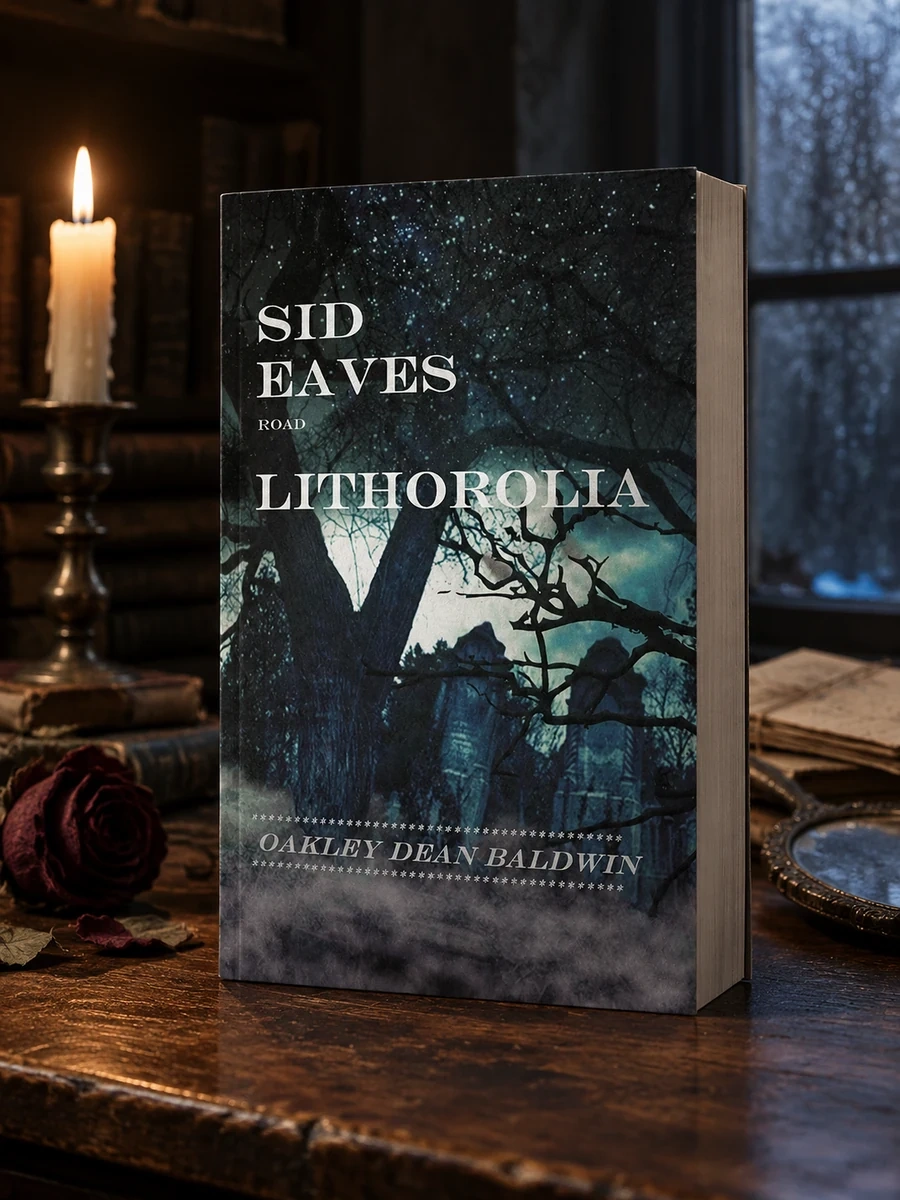
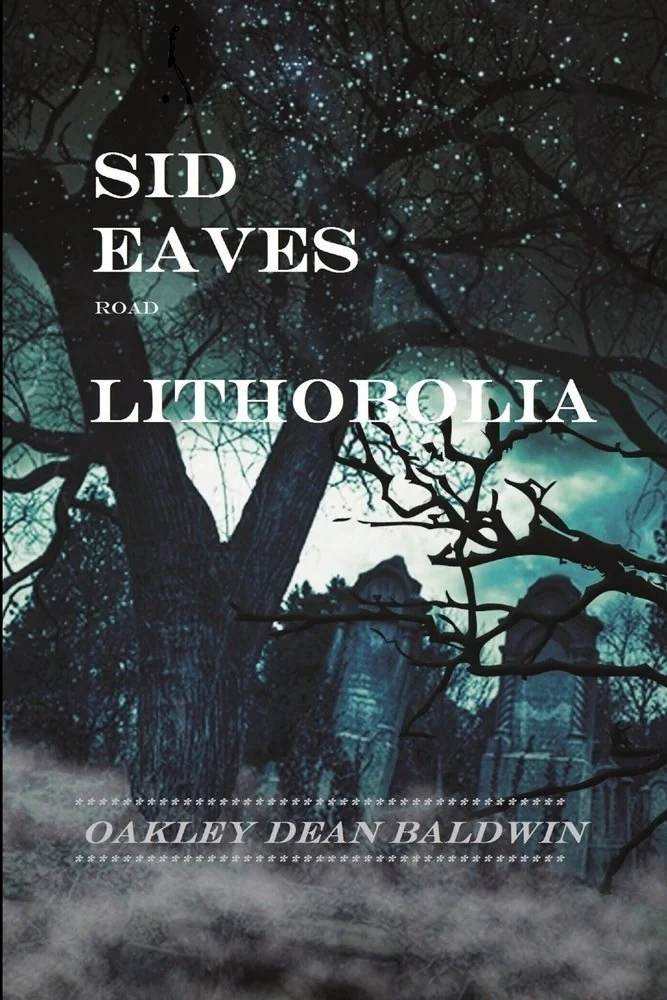
Sid Eaves Road Lithobolia
A law enforcement officer recounts a true supernatural encounter linked to genetics.
Baldwin uses his professional background to analyze a specific paranormal event. He connects the experience to the Major Histocompatibility Complex, suggesting a deeper meaning in genetic relationships. The account is presented as a factual report from his time on patrol. Readers gain insight into how an officer processes unexplained phenomena through a scientific lens. The narrative avoids sensationalism, focusing instead on the author's direct observations and theoretical framework.
Published in 2017 by Lulu.com, this work sits within the niche of personal supernatural accounts. It bridges the gap between law enforcement memoirs and speculative fiction based on genetic theory.


📝 Description: Sid Eaves Road Lithobolia
💎 Our verdict on Sid Eaves Road Lithobolia
📖 Why choose it
Why this book is worth reading
Readers interested in the intersection of genetics and paranormal phenomena will find this text uniquely compelling. It appeals to those who prefer grounded, non-sensational accounts of supernatural encounters over traditional horror tropes. The book is ideal for individuals fascinated by how a law enforcement officer processes unexplained events through a scientific lens. By focusing on one documented instance rather than broad theory, it offers an intimate look at the intersection of biology and the inexplicable. Those seeking factual testimony from police work regarding the paranormal will gain insight into how professional officers navigate the boundary between rational investigation and supernatural reality without resorting to fiction.
⭐ Reader reviews
Reader rating
Oakley Dean Baldwin’s account distinguishes itself by avoiding sensationalism, offering instead a direct, factual report of a single paranormal incident. The narrative effectively utilizes the author's professional background to analyze the event through the lens of the Major Histocompatibility Complex, creating a unique framework for understanding genetic relationships in supernatural contexts. This approach suits readers who appreciate scientific rigor applied to unexplained phenomena. While it may not satisfy those seeking traditional ghost stories or fictional horror, it provides valuable insight into how law enforcement personnel interpret inexplicable occurrences. The text’s strength lies in its grounded reality and specific theoretical application rather than broad storytelling.