Ole' Wives' Tales
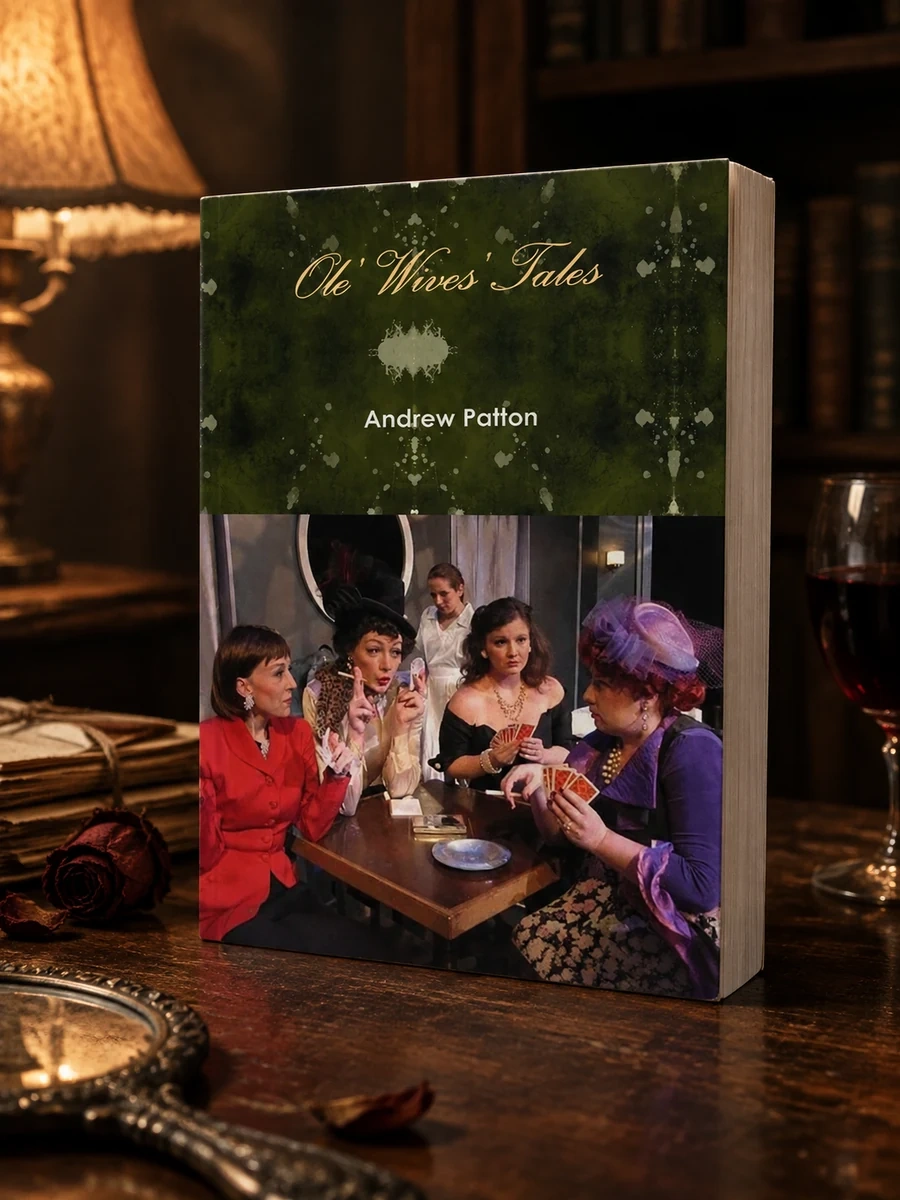
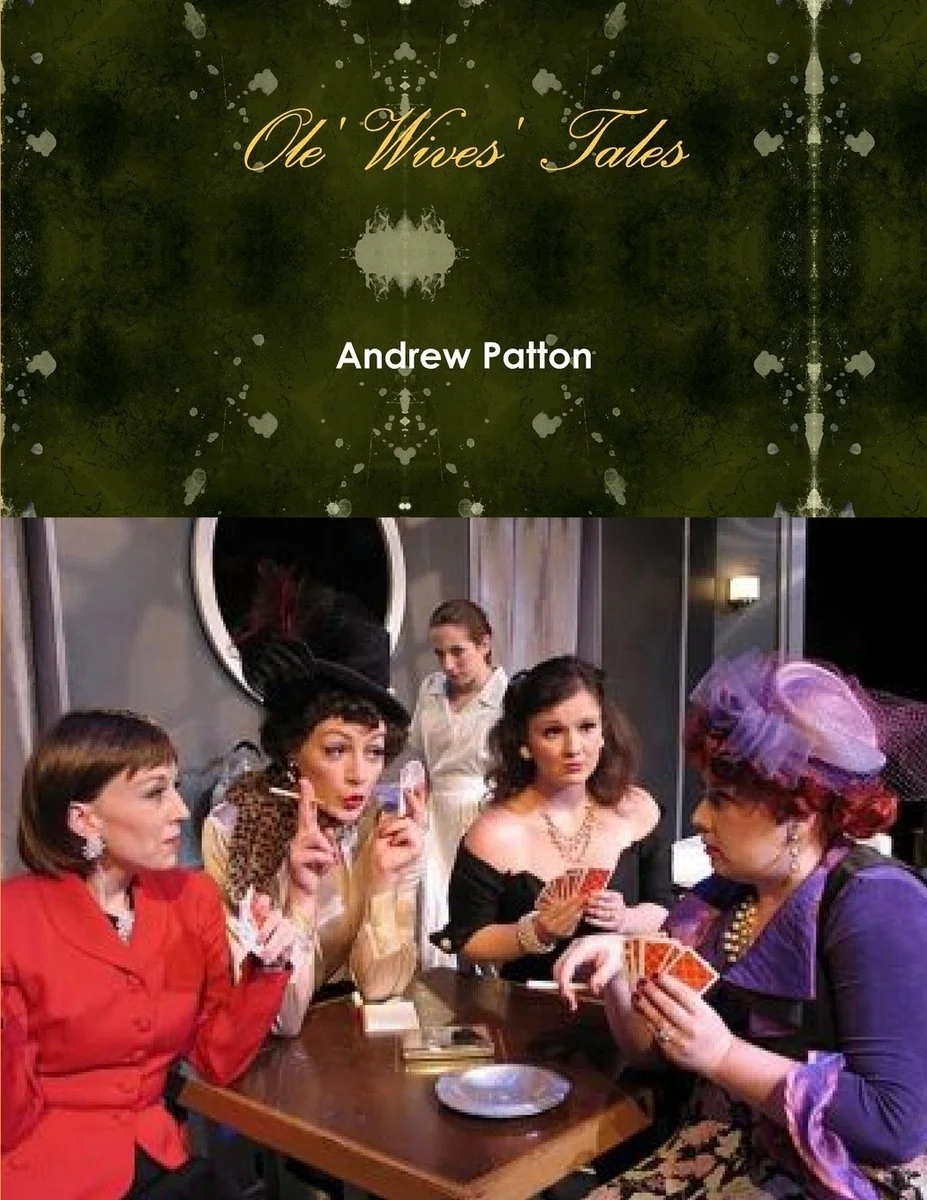
An unproduced screenplay about four wives reading dark tales in a haunted castle.
This work functions as a script rather than a traditional novel, using a framing device to connect four separate stories. The central plot involves a widow’s gathering where video technology replaces direct presence, creating a unique blend of old and new horror elements. Patton organizes the text around the act of reading from ancient texts, with the physical environment reacting to each narrative shift. The exotic animals and intimidating staff add layers of chaos and suspense that interrupt the storytelling process. This approach allows for varied pacing and tonal shifts between the different segments. The book appeals to those who appreciate meta-narratives and the mechanics of screenplay writing within a horror context.
Published in 2013 by Lulu.com, this 2013 release sits within the tradition of independent horror publishing. It reflects a period where digital distribution allowed for niche formats like unproduced screenplays to reach readers interested in gothic and supernatural fiction.


📝 Description: Ole' Wives' Tales
💎 Our verdict on Ole' Wives' Tales
📖 Why choose it
Why this book is worth reading
Readers who appreciate the mechanics of screenplay writing and enjoy deconstructing narrative structures will find this unproduced script deeply engaging. It offers a unique blend of old and new horror elements, where video technology replaces direct presence in a haunting castle setting. The book appeals to those interested in layered storytelling, as the physical environment reacts to the narratives being read. Those who enjoy meta-narratives and the interplay between dramatic tension and supernatural mystery will gain satisfaction from its varied pacing and tonal shifts.
⭐ Reader reviews
Reader rating
Patton successfully merges the eccentricity of Gothic horror with contemporary screenplay formats, creating a distinct reading experience. The framing device, centered on four wives summoned to a mysterious castle, allows for diverse thematic exploration across four segments. The inclusion of exotic animals and intimidating staff adds chaotic suspense that interrupts the storytelling effectively. While the dramatic structure may alienate those seeking straightforward novels, it rewards readers interested in the architecture of horror narratives. The work stands as an intriguing experiment in genre blending, offering a fresh perspective on traditional tropes through its unconventional format.