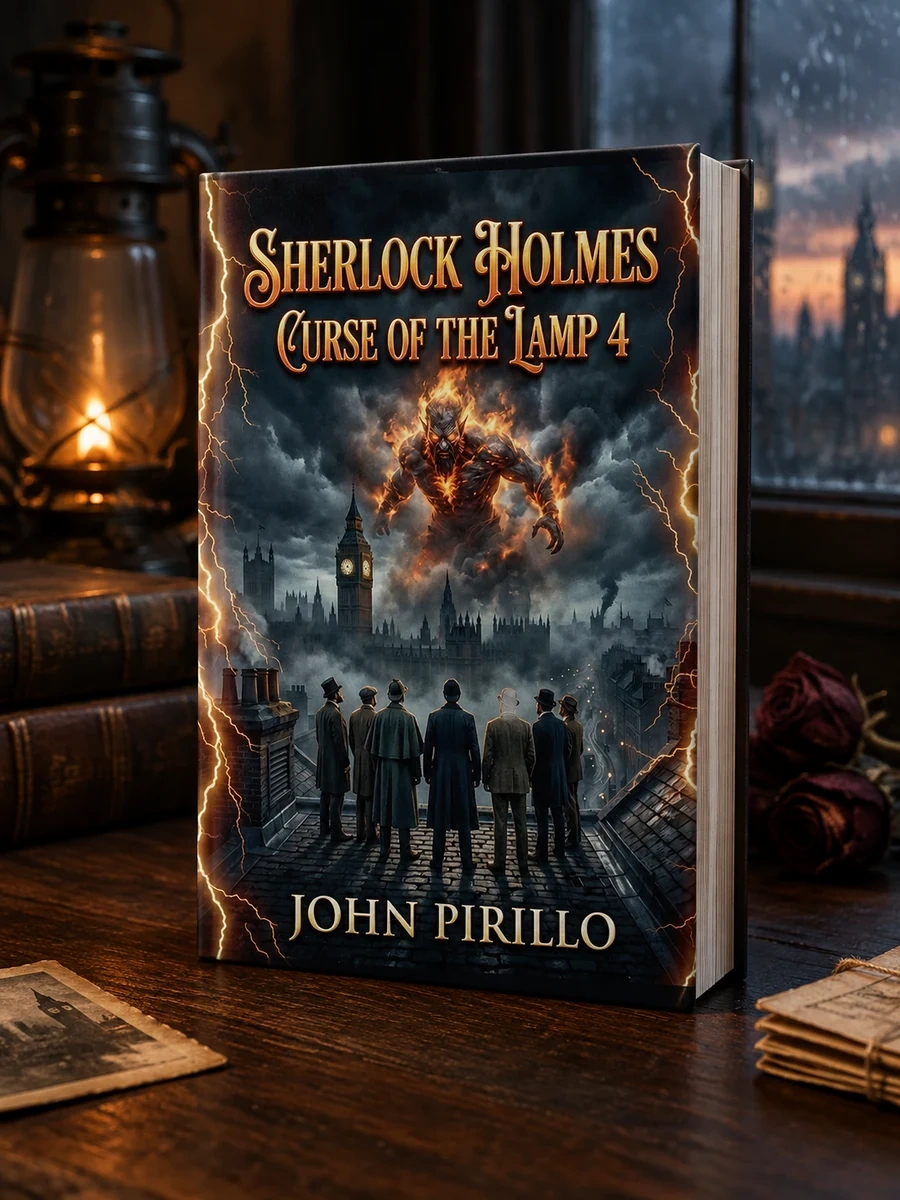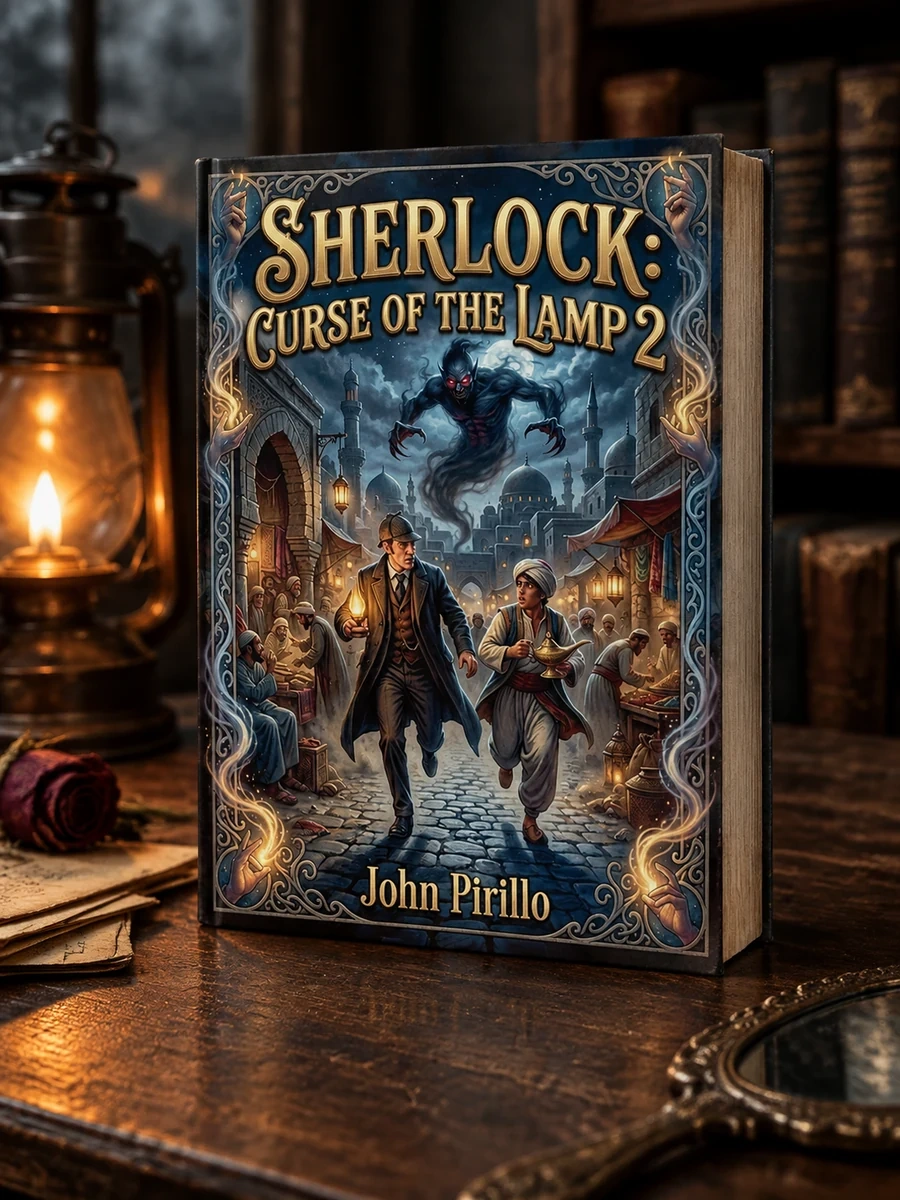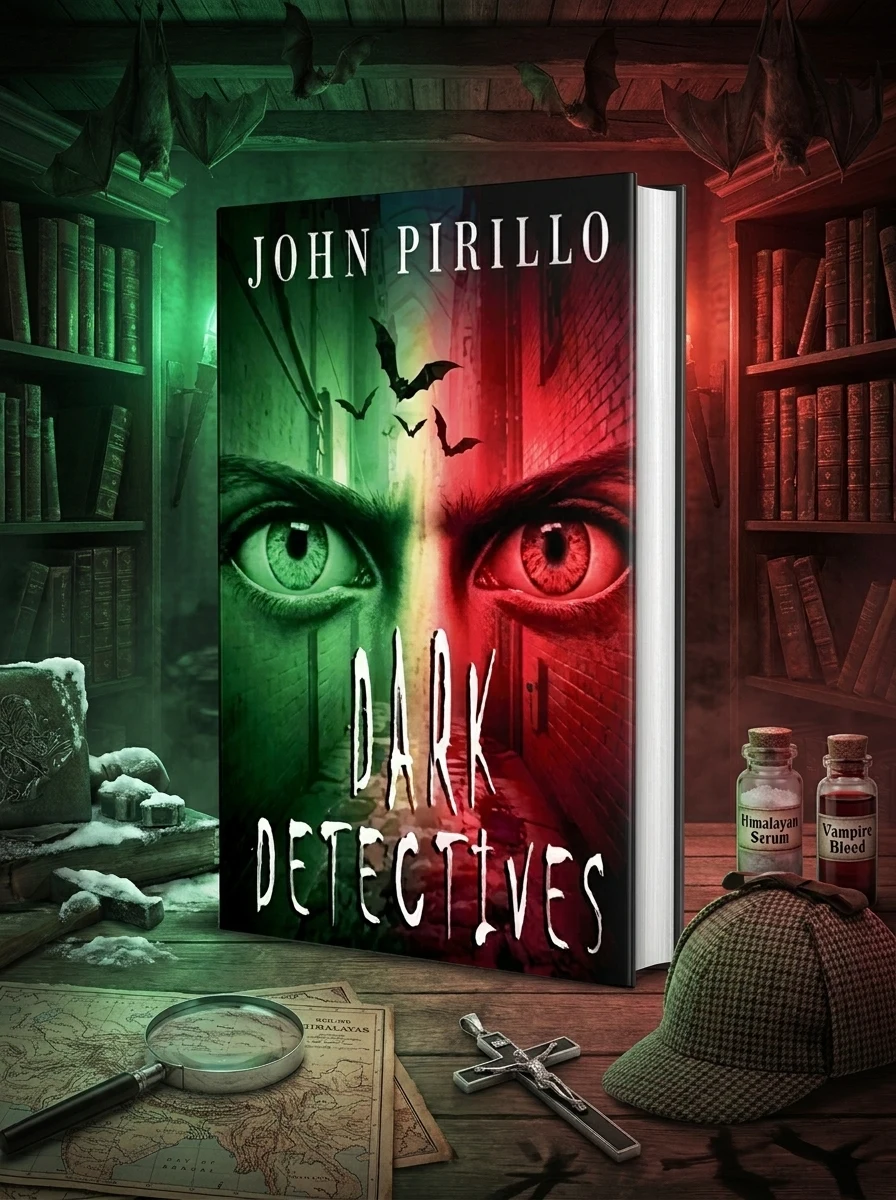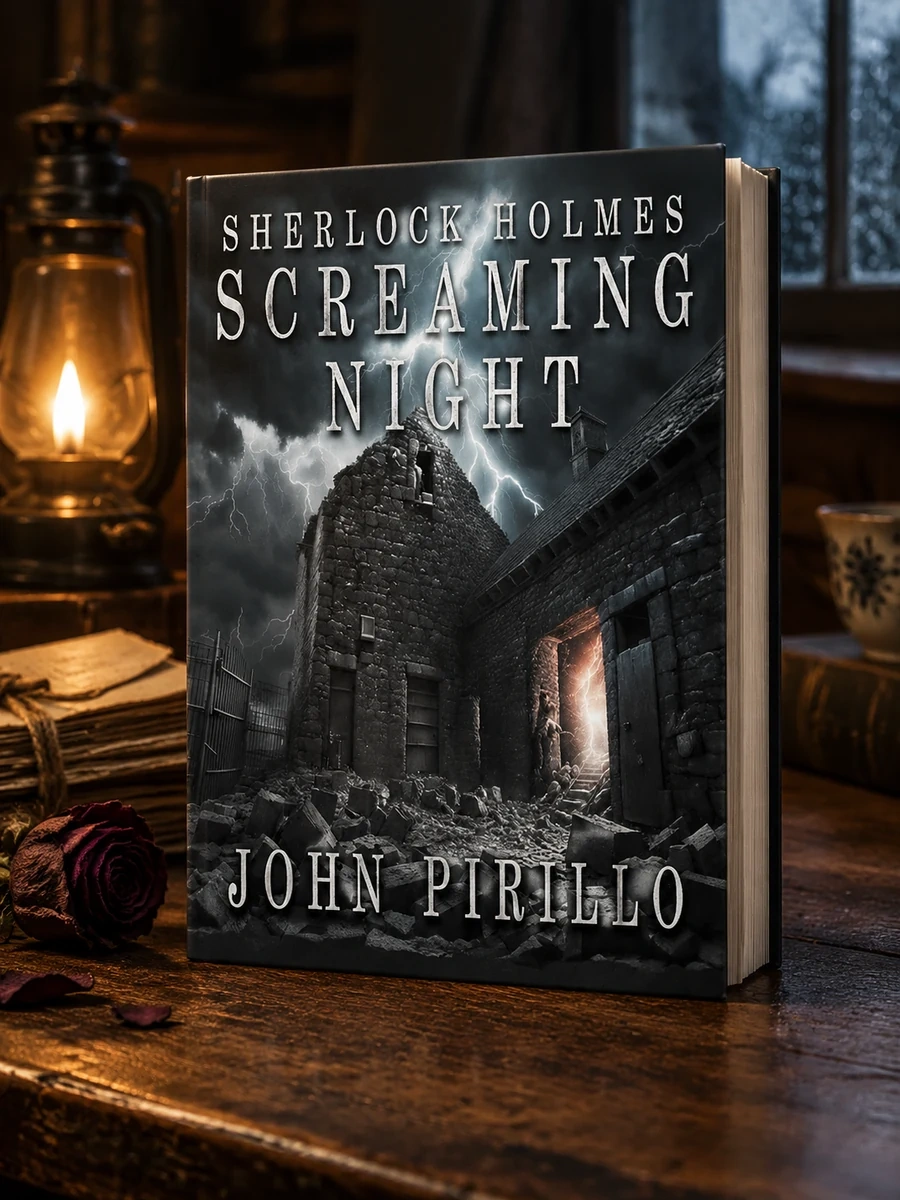
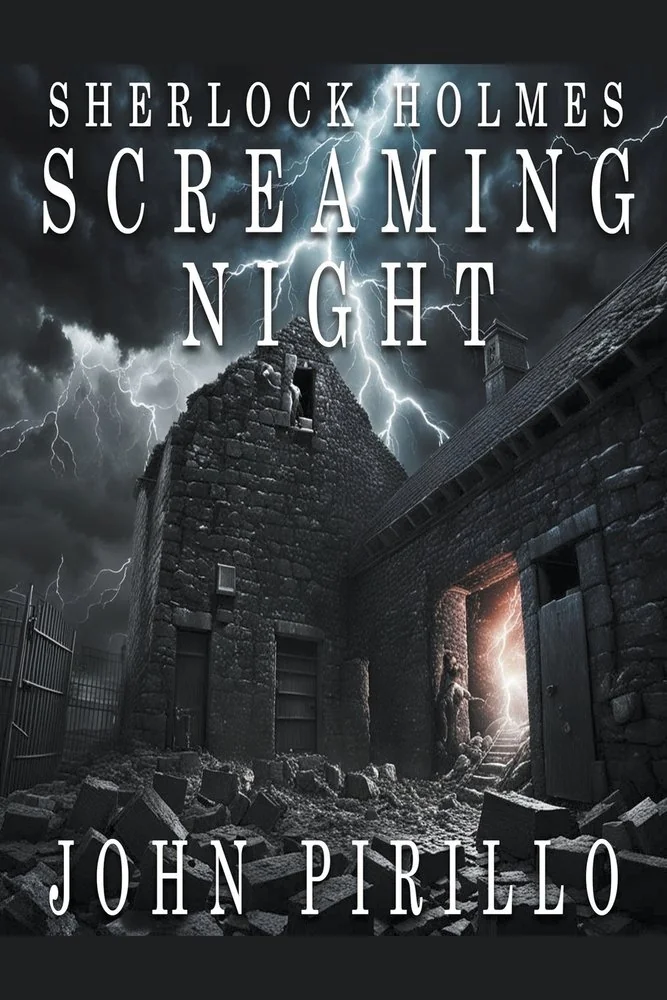
Sherlock Holmes, Screaming Night
Sherlock Holmes faces a deadly supernatural secret in this horror novel by John Pirillo.
This work places the iconic detective in a scenario where logic fails against an ancient evil. Pirillo crafts a tale where the cellar holds secrets that scream for attention. The plot requires Holmes and Watson to investigate a threat that is not of this world. The narrative structure relies on the urgency of stopping a deadly force. It offers a blend of mystery solving and horror elements. The author uses the familiar voices of the characters to explore new fears. This approach appeals to readers who like traditional settings with modern genre twists.
Published in 2024 by John Pirillo, this book continues the legacy of Sherlock Holmes stories. It sits within the tradition of gothic and supernatural fiction that expands on the original Victorian era tales. The work appeals to American readers interested in classic literature reimagined with horror elements.


📝 Description: Sherlock Holmes, Screaming Night
💎 Our verdict on Sherlock Holmes, Screaming Night
📖 Why choose it
Why this book is worth reading
Readers who enjoy the intersection of mystery and horror will find this novel particularly engaging, as it offers a fresh twist on traditional detective tropes. Those fascinated by gothic atmospheres and psychological dread will appreciate the tension between the known world and lurking unknown horrors. Fans of Sherlock Holmes may discover new depths in the characters' dynamic when faced with threats that challenge their rational minds. The book appeals to those seeking a blend of classic period settings with modern genre elements, providing an eerie plot that maintains engagement through urgency and supernatural stakes rather than purely logical deductions.
⭐ Reader reviews
Reader rating
Pirillo successfully merges classic detective fiction with supernatural horror, creating a unique reading experience for fans of both genres. By placing Holmes and Watson in a scenario where logic fails against ancient evil, the author explores new fears while maintaining the established traditions of the canon. The narrative effectively utilizes the tension between rational deduction and paranormal phenomena, offering a fresh perspective on familiar voices. This approach suits readers who appreciate gothic atmospheres and psychological dread over pure mystery solving. While it may not satisfy those seeking strictly rational conclusions, the book delivers an engaging, eerie plot that challenges the detective's worldview in compelling ways.