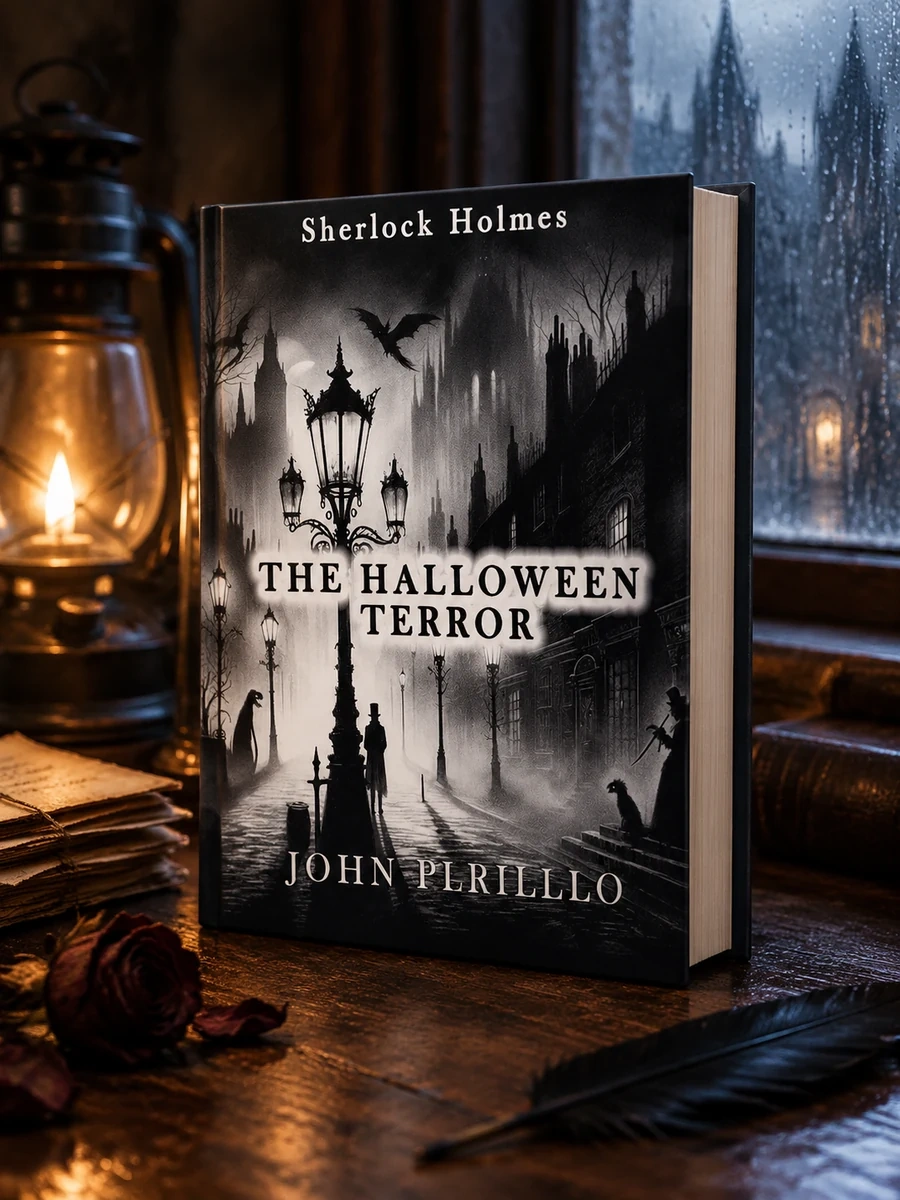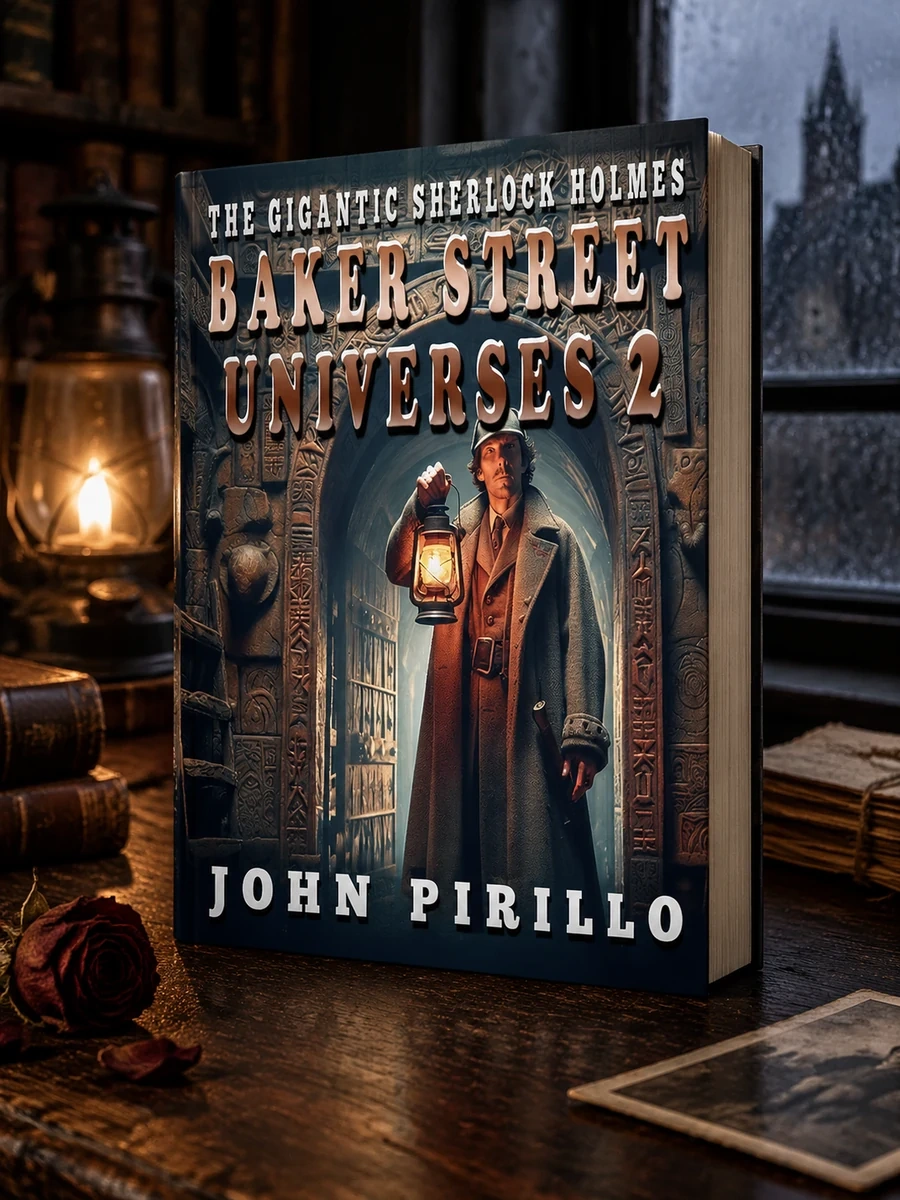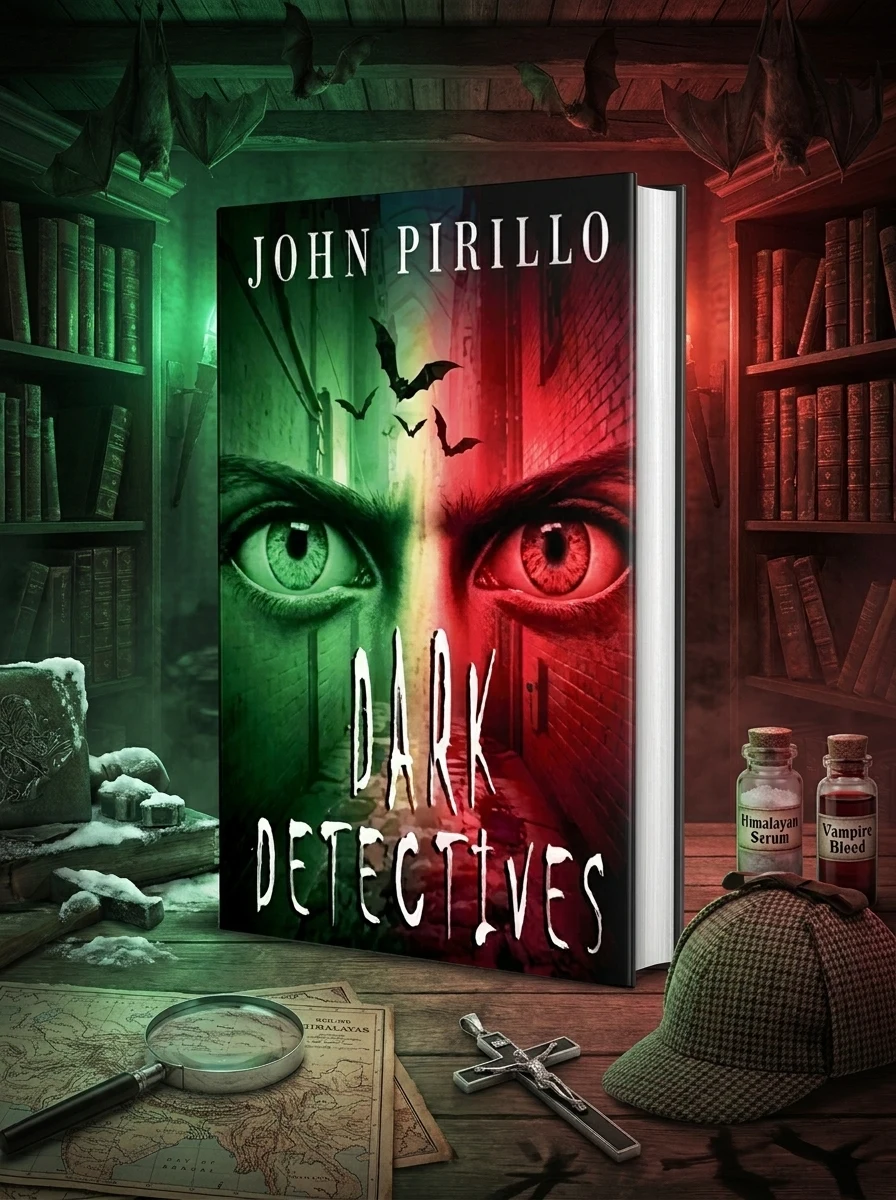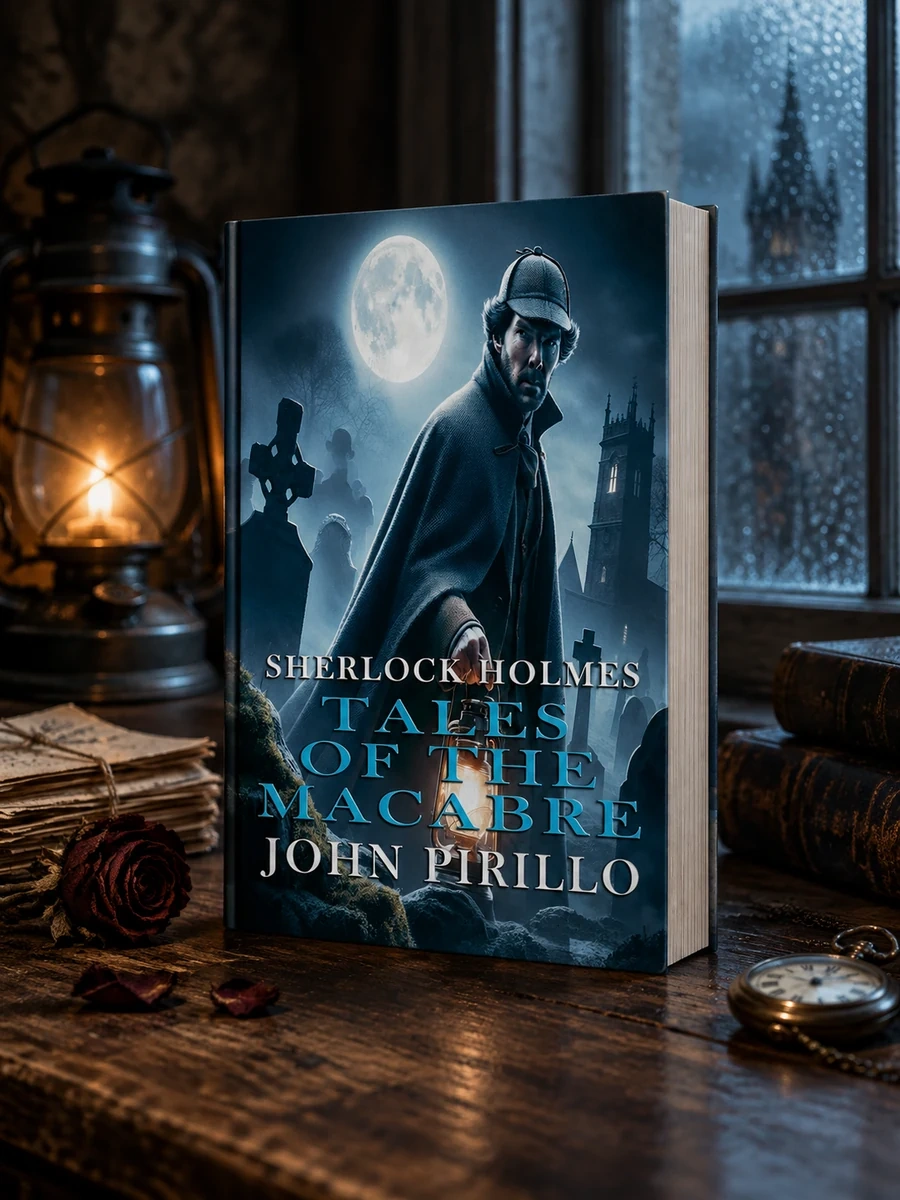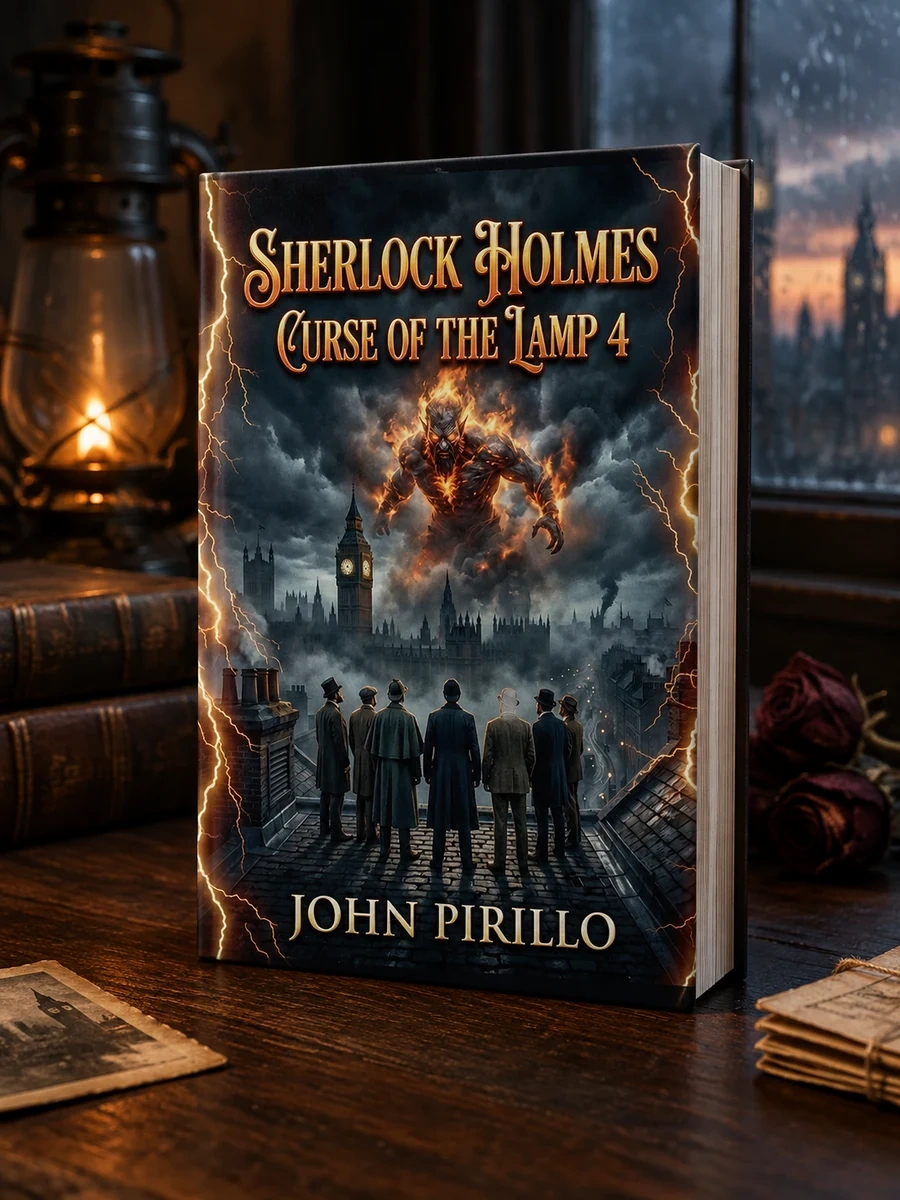
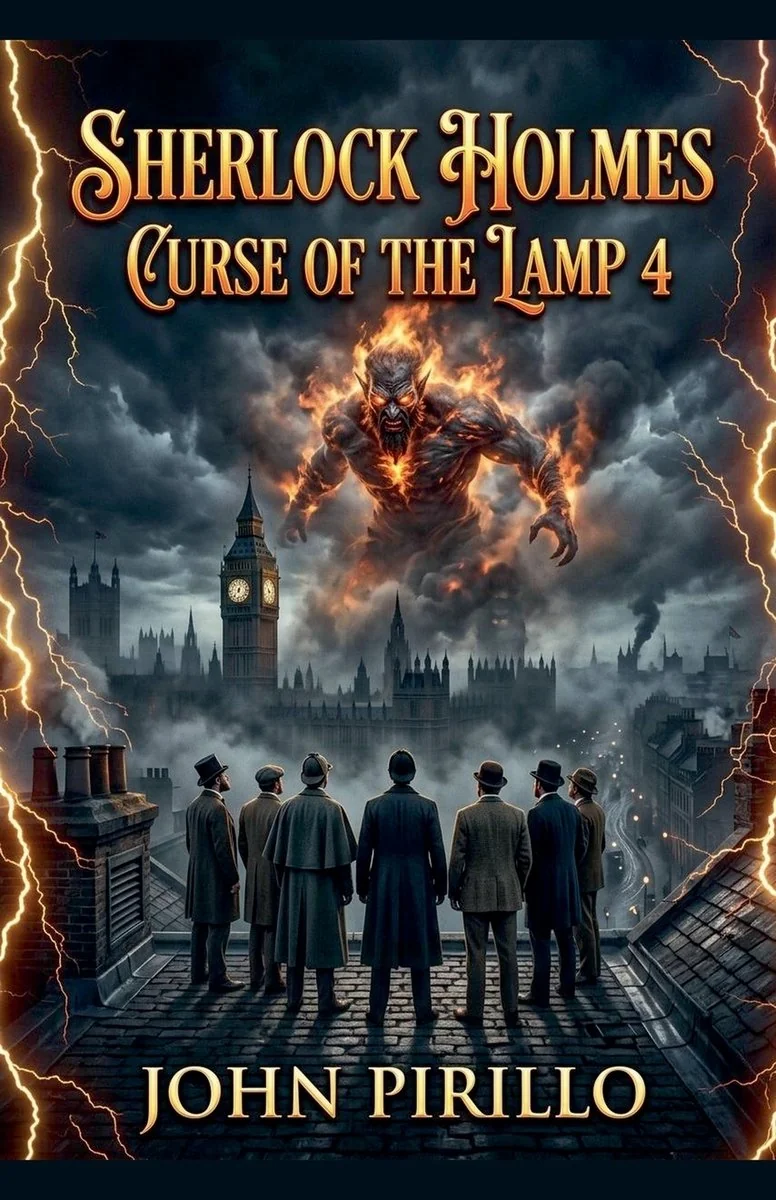
Sherlock Holmes, Curse of the Lamp 4
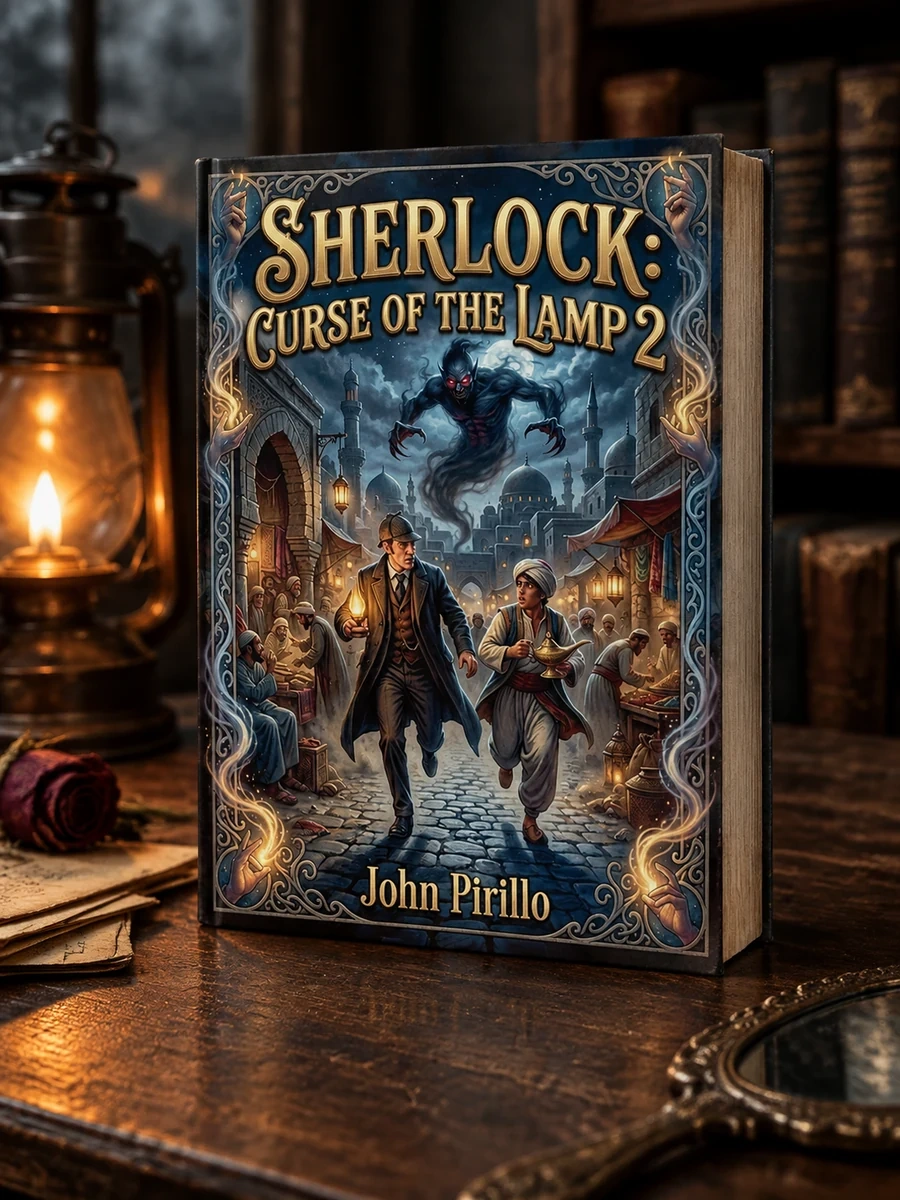
Sherlock Holmes battles a vengeful desert demon in this fourth supernatural mystery by John Pirillo.
This entry explores the collision of Victorian London and ancient desert curses. Pirillo introduces a beggar thief who steals a plundered treasure, triggering a series of deaths. A demon emerges from the sands to seek vengeance, challenging Holmes with powers that exceed previous foes. The narrative tracks the investigation as it moves from crime scenes to supernatural origins. The story examines how traditional detective methods apply against entities beyond human comprehension. This angle highlights the tension between rational inquiry and irrational fear. The plot relies on the thief's actions and the demon's retaliation to drive the conflict forward.
This book sits within the tradition of Sherlock Holmes pastiches, specifically blending gothic horror with supernatural fiction. It draws on desert folklore traditions while maintaining the Victorian London setting established in earlier works by John Pirillo.


📝 Description: Sherlock Holmes, Curse of the Lamp 4
💎 Our verdict on Sherlock Holmes, Curse of the Lamp 4
📖 Why choose it
Why this book is worth reading
Readers who enjoy supernatural fiction blended with classic mystery elements will find much to appreciate in this volume. It specifically appeals to those interested in gothic themes and the intersection of crime and the occult, examining how traditional detective methods apply against entities beyond human comprehension. The narrative highlights the tension between rational inquiry and irrational fear as Holmes and his friends confront a plundered treasure, a beggar thief, and a monstrous adversary. While it does not suit readers seeking purely historical or non-supernatural detective stories or those preferring grounded realism, it offers a compelling look at ancient curses manifesting in a Victorian setting for fans of eerie investigative tales.
⭐ Reader reviews
Reader rating
John Pirillo presents a supernatural conflict that shifts narrative focus from familiar London streets to ancient desert curses, tracking an investigation driven by a thief's actions and a demon's retaliation. The antagonist emerges as potentially more powerful than any adversary the detective has previously faced, creating a tale of turmoil and justice. The narrative structure successfully tracks Holmes striving to bring a monstrous entity to justice, balancing investigative puzzle-solving with irrational terror. This book suits readers who relish unusual crossovers between classic sleuthing and occult horror, though traditionalists favoring strict realism should look elsewhere. It serves as a creative expansion of familiar tropes into darker, more fantastical territory.