Scissors
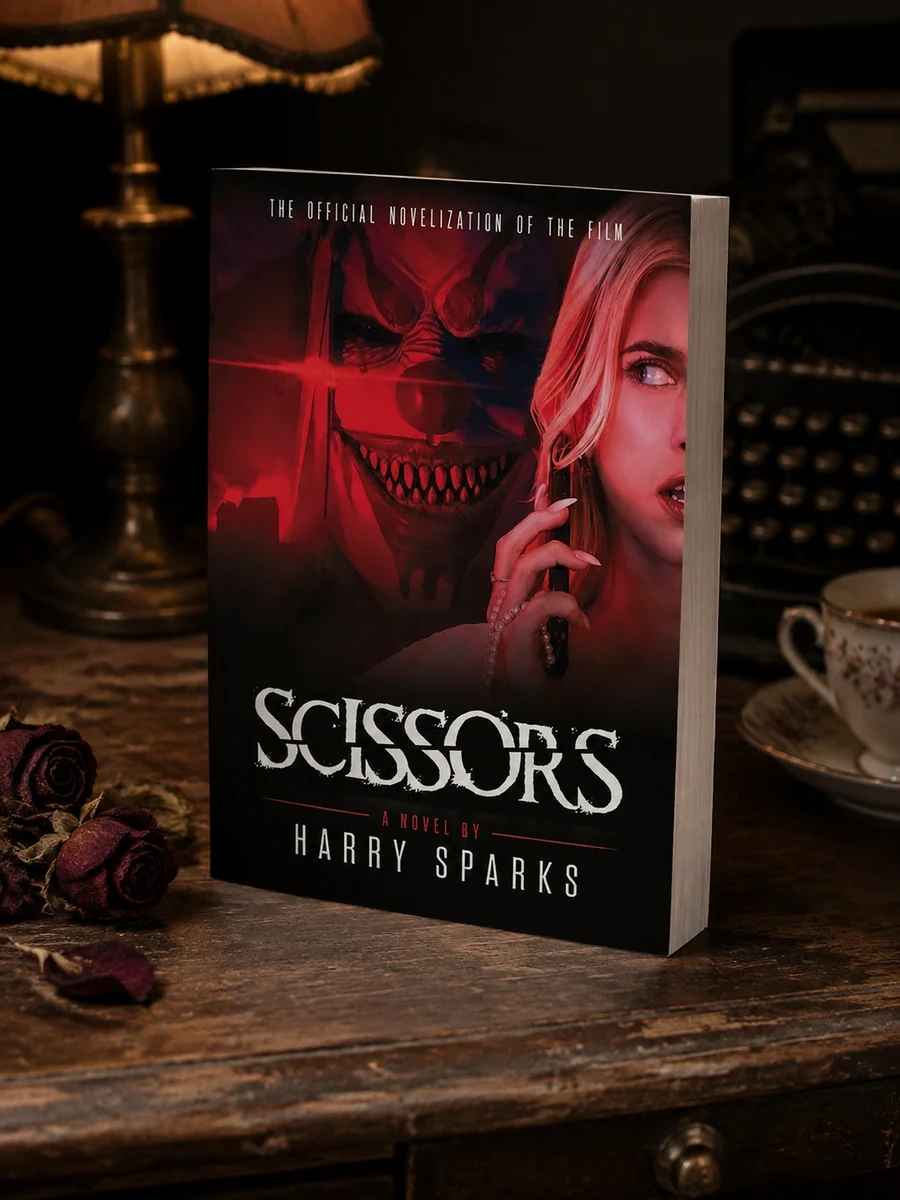
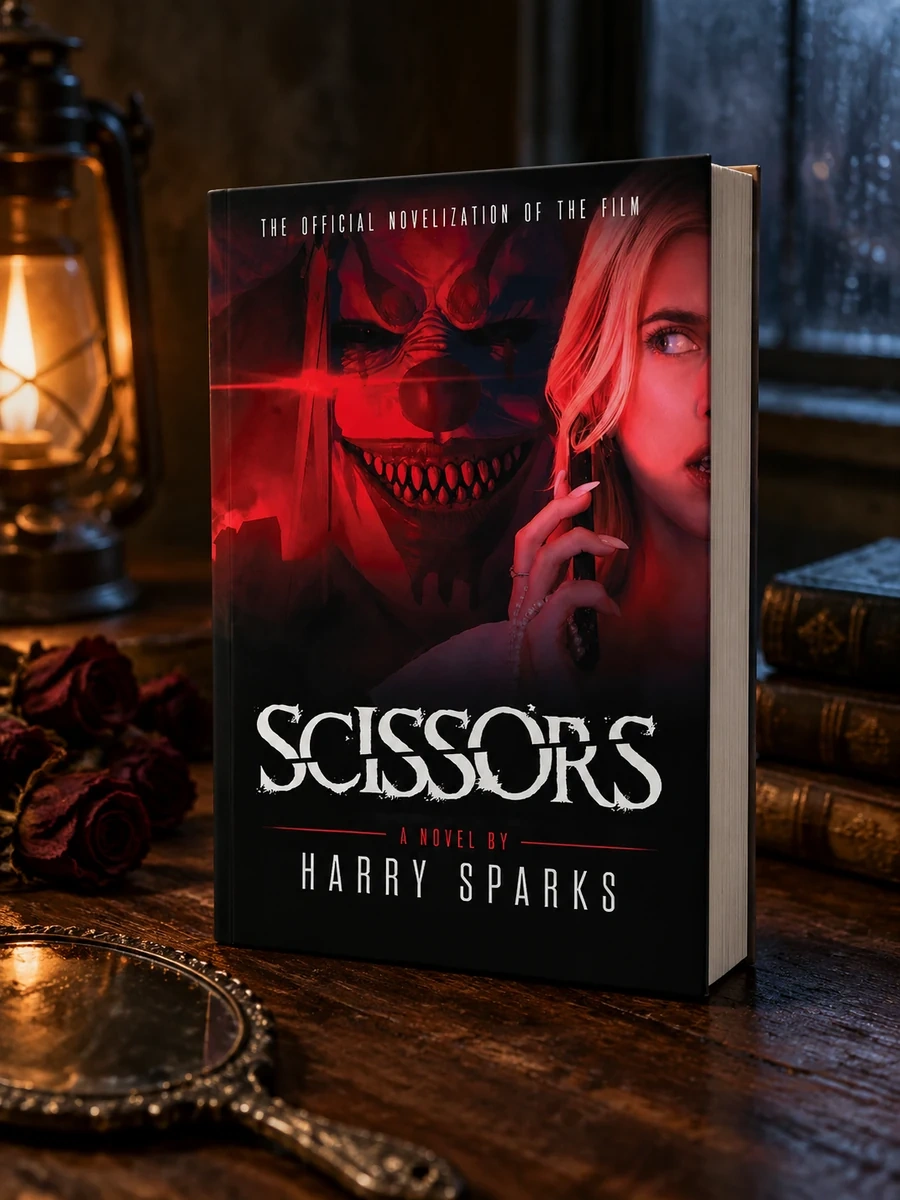
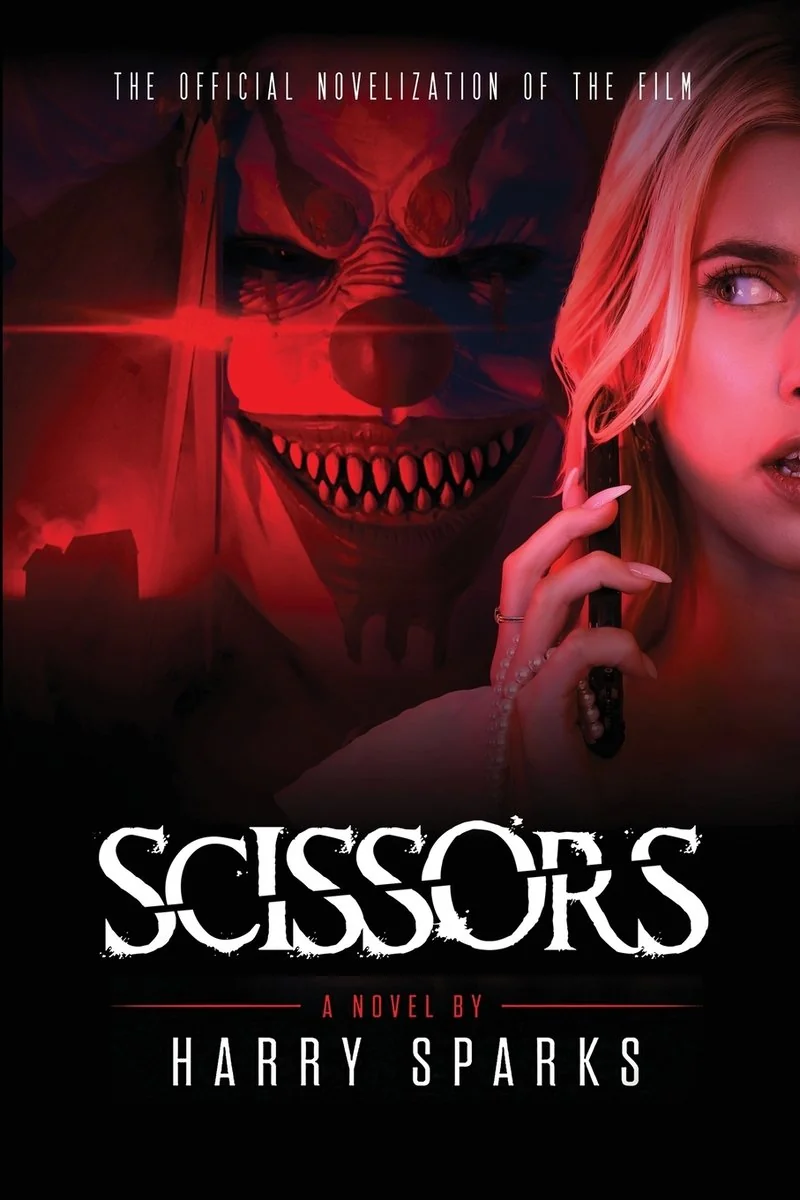
Novelization of the Tubi indie horror film featuring webcam model Tiffany Baker and killer Scissors.
Sparks expands the cinematic experience by detailing the psychological state of the antagonist. The plot centers on Courtney Hudson rebuilding her life after past trauma, only to face renewed violence in Ashland Falls. Tiffany Baker’s initial contact with the masked figure triggers the subsequent events. The text provides exclusive scenes that reveal the killer's internal logic. This approach bridges the gap between the visual medium of film and the introspective nature of prose fiction.
This work sits within the contemporary indie horror landscape, specifically adapting a story that gained traction through digital streaming platforms like Tubi. It reflects modern anxieties about online stalking and the blurring lines between digital interactions and physical danger in American settings.


📝 Description: Scissors
💎 Our verdict on Scissors
📖 Why choose it
Why this book is worth reading
Readers seeking a bridge between cinematic horror and prose introspection will find value in this expanded psychological perspective. Fans of the original Tubi film gain exclusive insight into the antagonist's internal logic, a layer often absent from visual media. Those fascinated by the mechanics of obsession and the erosion of reality through trauma will appreciate the narrative focus on Courtney Hudson’s struggle against a stalker who weaponizes her past. The book offers a grounded, non-supernatural terror that feels uncomfortably proximate to modern digital stalking habits. It serves as a complementary text for viewers wanting deeper context, while standing alone as a study of how memory and fear intertwine in the face of immediate, personal danger.
⭐ Reader reviews
Reader rating
Sparks successfully translates the visceral tension of the indie film into a literary format by prioritizing the killer’s psyche over mere gore. The narrative effectively grounds its horror in the specific, relatable dread of digital stalking rather than relying on supernatural elements. By detailing Courtney Hudson’s psychological state, the text adds necessary depth to what might otherwise be a standard slasher plot. This approach appeals strongly to fans of psychological thrillers who enjoy exploring the intersection of trauma and obsession. However, readers preferring traditional gothic atmospheres or ghost stories may find the modern, realistic setting less engaging. The work is best suited for those interested in the mechanics of fear and the specific appeal of adapted indie horror.