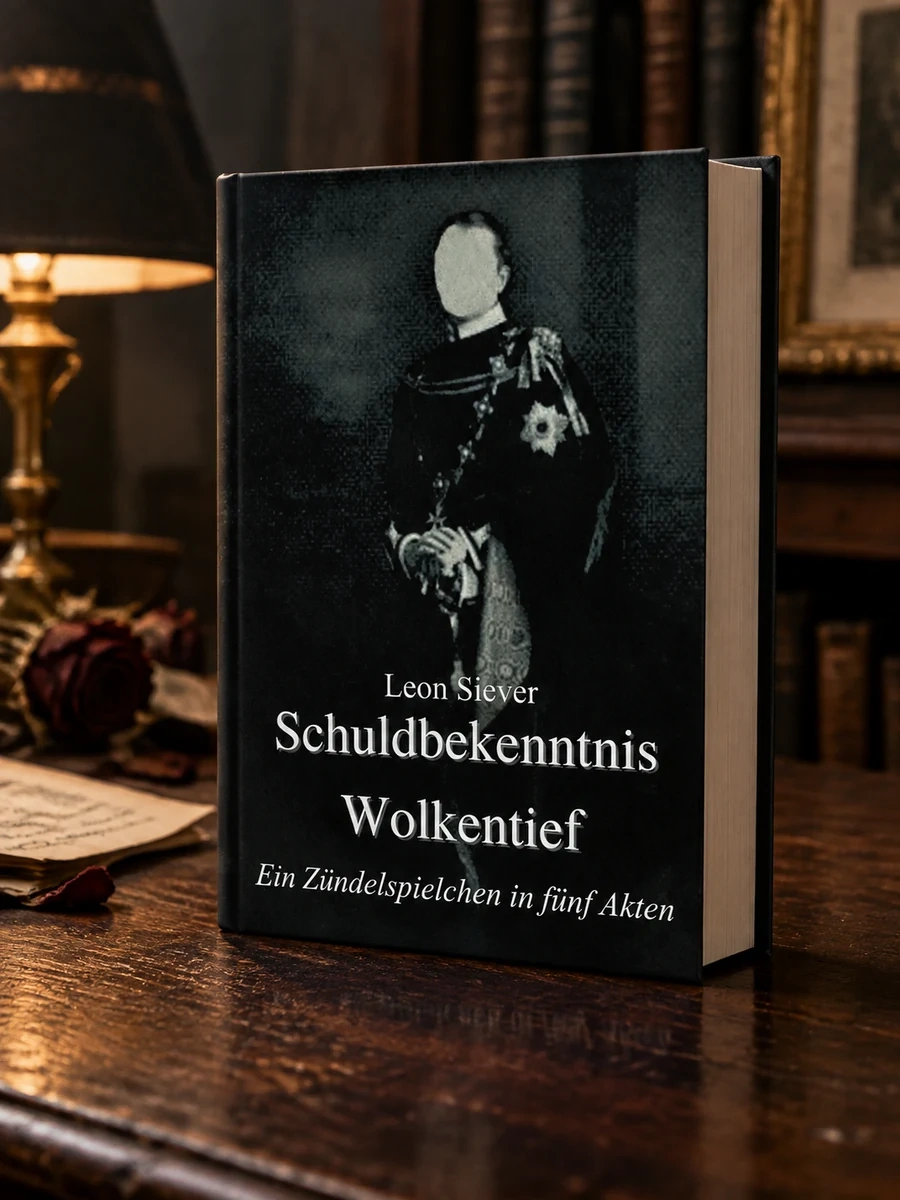
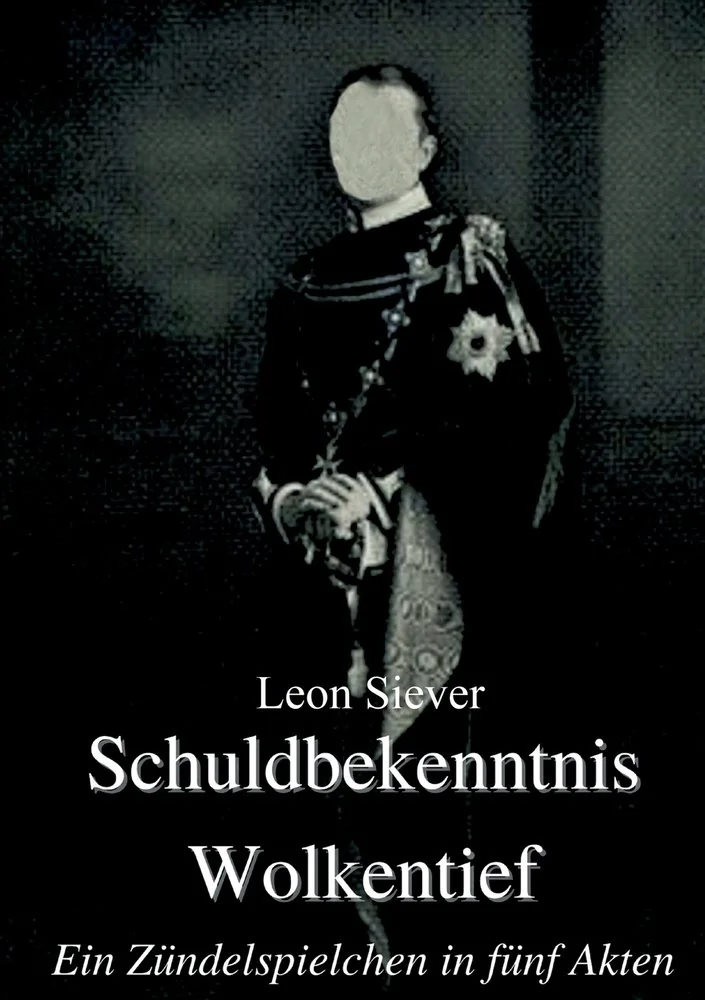
Schuldbekenntnis Wolkentief
A five-act gothic tale of amnesiac prisoners and a cruel jailer in Prussia.
The narrative focuses on the psychological unraveling of captives who have lost their memories. A servant attempts to help but becomes entangled in the jailer's cruelty. The Baron’s research into human nature provides a contrasting backdrop of detached observation. The arrival of a visitor disrupts the established order of the castle. Siever uses this structure to explore themes of identity and power. The setting remains confined to the prison and the Baron’s estate. This confinement enhances the sense of dread throughout the story.
The book is set in eastern Prussia within a castle environment. It reflects gothic literary traditions through its focus on isolation and psychological terror. The narrative structure follows a five-act format typical of dramatic works.


📝 Description: Schuldbekenntnis Wolkentief
💎 Our verdict on Schuldbekenntnis Wolkentief
📖 Why choose it
Why this book is worth reading
Readers who appreciate slow-burning atmospheric dread and complex psychological unraveling will find this text rewarding. It appeals to those seeking a claustrophobic exploration of identity loss and power dynamics within a confined Gothic setting. The book suits fans of character-driven horror that relies on dialogue and internal reflection rather than action. Those interested in the intersection of dark fantasy and true psychological horror may find the structured five-act format engaging. It is ideal for readers who enjoy detached observations of human nature and grotesque character studies. However, it may frustrate those preferring fast-paced plots or clear resolutions.
⭐ Reader reviews
Reader rating
Siever crafts a dense, claustrophobic narrative that excels in building atmospheric dread through confinement and psychological decay. The five-act structure effectively heightens the tension as amnesiac prisoners and a malicious jailer intersect with a Baron’s detached research into human nature. The text successfully leverages dialogue and internal reflection to create a sense of inevitable doom, avoiding cheap scares in favor of deep unease. This approach suits readers who enjoy complex character dynamics and gothic traditions of isolation. It is best appreciated by those willing to engage with a slow build that prioritizes mood and thematic depth over plot resolution. The work stands as a compelling example of structured psychological horror.
📖 Read on the blog
🏛 Books from this publisher Bod - Books on Demand




You might also like
See more →
Have a question about this item?
Ask about the edition, condition, delivery or anything else — we reply by email or phone, usually within a day.
