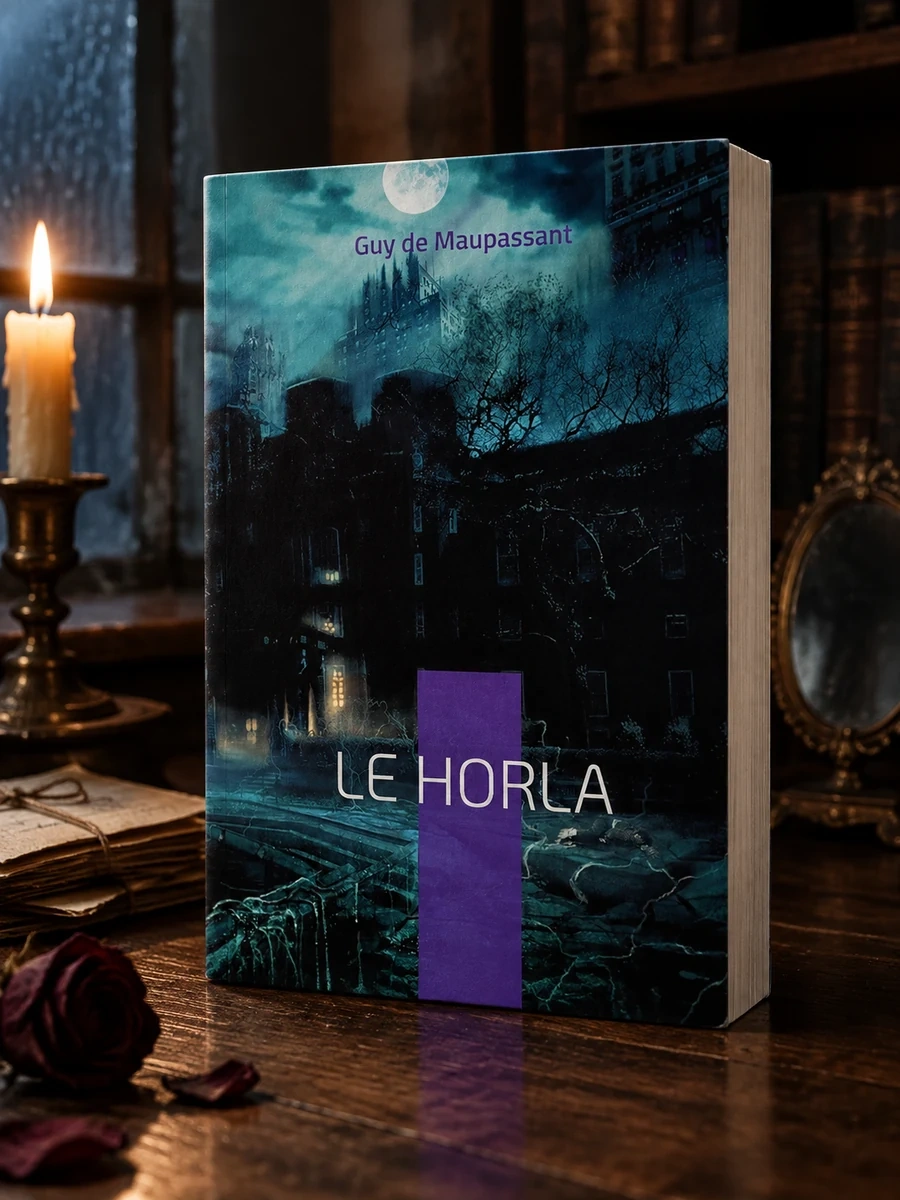
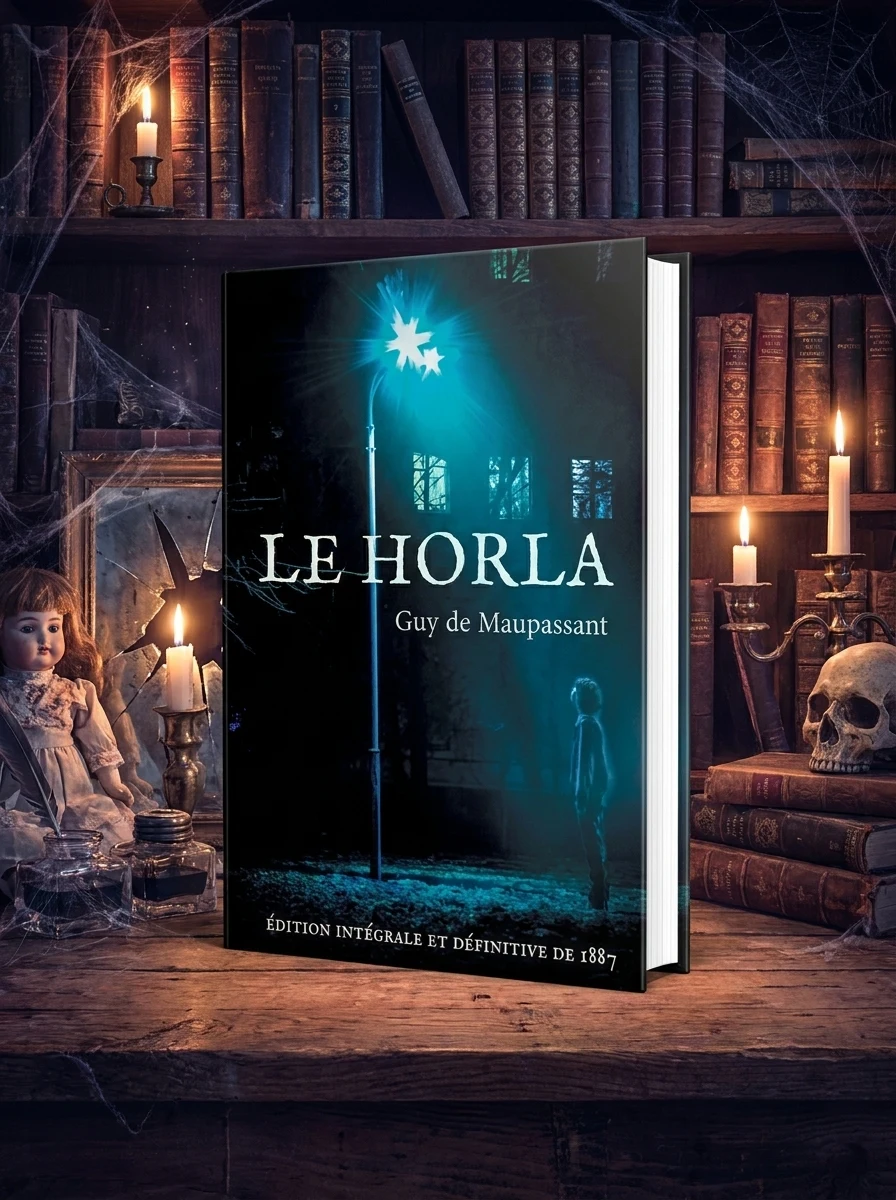
Le Horla: Une nouvelle fantastique et psychologique
A French novel about an invisible entity controlling a man's mind.
The narrative structure relies on a framed testimony rather than direct narration. An alienist gathers peers to listen to his patient, who details his descent into madness. The patient identifies a new being named the Horla as the cause of his suffering. This entity possesses the ability to dominate human will. Maupassant uses this premise to explore the boundaries between sanity and insanity. The story avoids traditional ghost stories by focusing on psychological erosion. The text reflects the author’s interest in medical conditions and mental health. Readers encounter a slow buildup of tension as the protagonist loses grip on reality. The work stands as a key example of French fantastic fiction from the late nineteenth century.
This text originates in France and belongs to the tradition of fantastic fiction. Maupassant writes within the context of late nineteenth-century medical interest in alienism. The work reflects contemporary French literary trends regarding the supernatural and psychological analysis.


📝 Description: Le Horla: Une nouvelle fantastique et psychologique
💎 Our verdict on Le Horla: Une nouvelle fantastique et psychologique
📖 Why choose it
Why this book is worth reading
Readers seeking atmospheric dread over gore will find this text deeply rewarding. It appeals to those interested in the fragility of the mind and the boundaries between sanity and insanity. Maupassant’s clinical tone offers a stark examination of isolation and paranoia without relying on traditional ghost story tropes. The narrative structure provides a unique perspective on mental collapse, inviting readers to witness the slow erosion of reality. Those who enjoy early psychological thriller traditions and late nineteenth-century French literature will appreciate the sharp observation of human nature. The book challenges readers to confront the unknown through the protagonist’s internal struggle rather than external action.
⭐ Reader reviews
Reader rating
Maupassant delivers a masterclass in psychological horror by focusing on the internal erosion of his protagonist rather than supernatural spectacle. The framed testimony structure creates an unsettling clinical distance that amplifies the sense of dread. Readers who appreciate slow-building tension and ambiguous endings will find this work particularly effective. It avoids fast-paced action in favor of a stark examination of paranoia and isolation. The text remains relevant for its exploration of medical conditions and mental health through a literary lens. Those who prefer atmospheric horror with intellectual depth will enjoy this study of control and madness. It is a compelling entry in the genre for those willing to engage with its challenging narrative approach.
📖 Read on the blog
✍️ More books by this author Guy de Maupassant


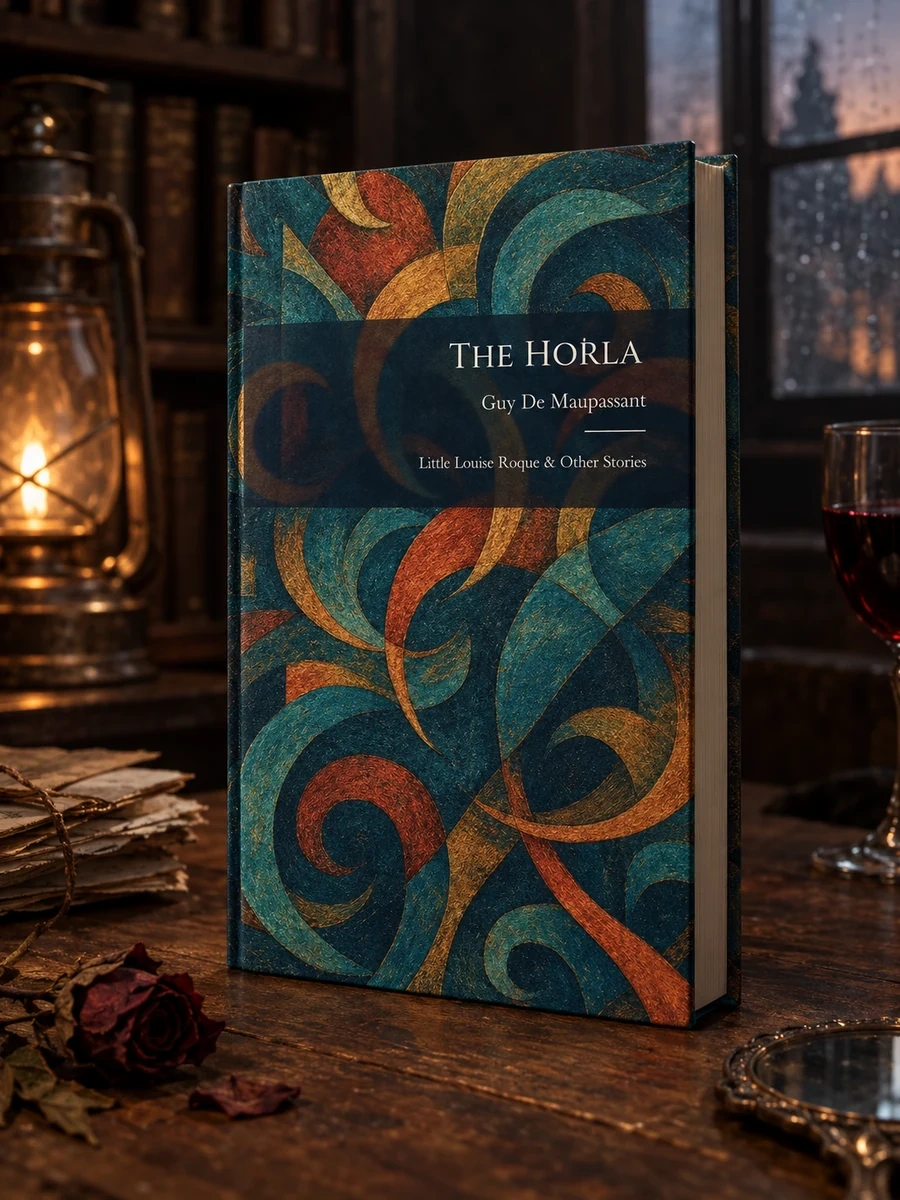
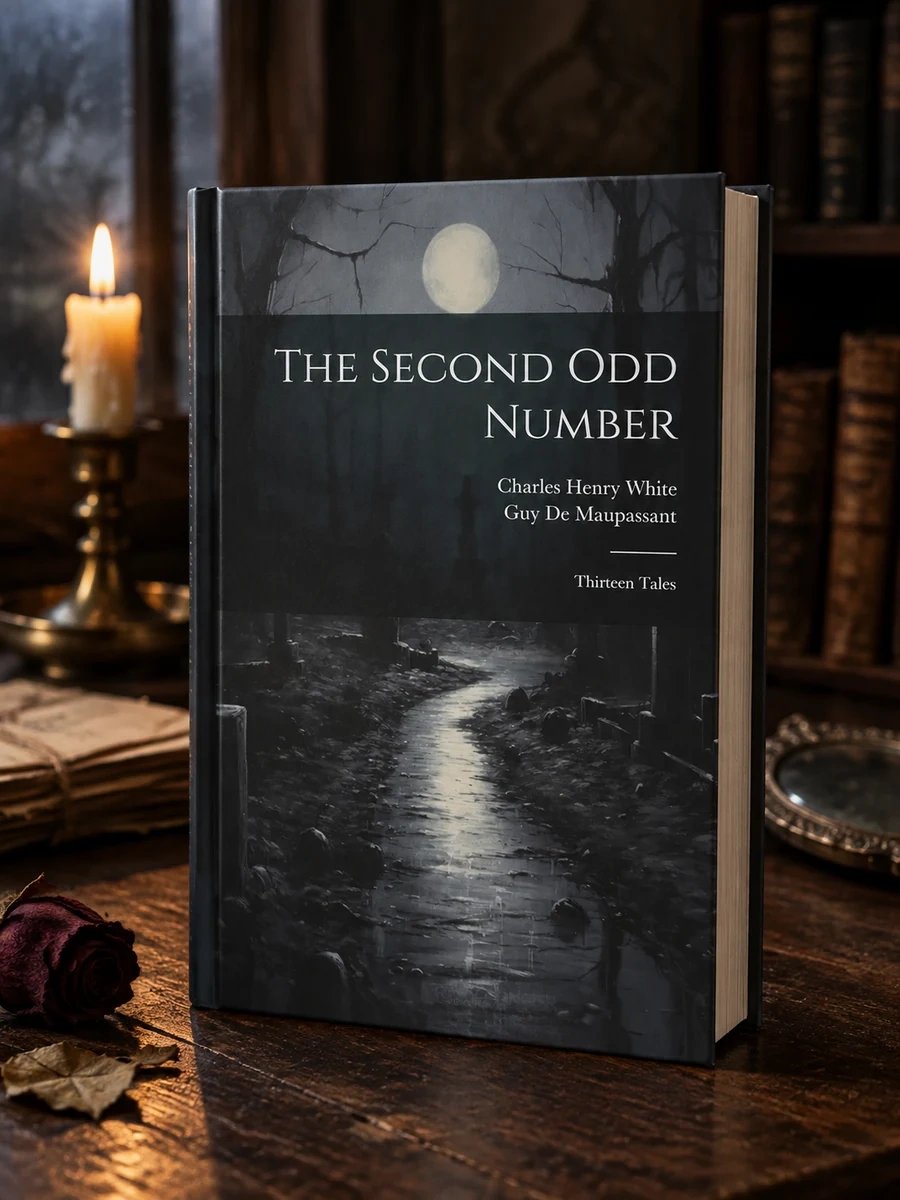
🏛 Books from this publisher Bod - Books on Demand



You might also like
See more →


Have a question about this item?
Ask about the edition, condition, delivery or anything else — we reply by email or phone, usually within a day.
