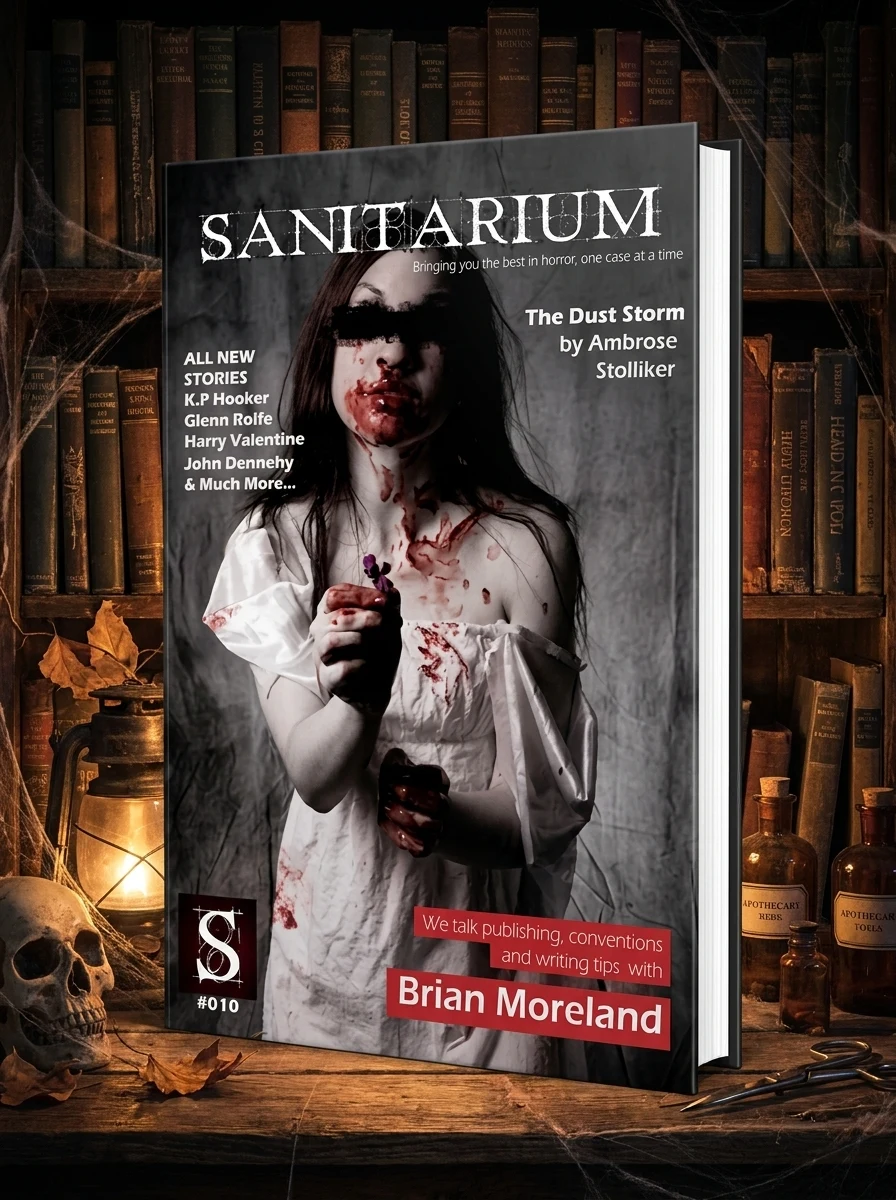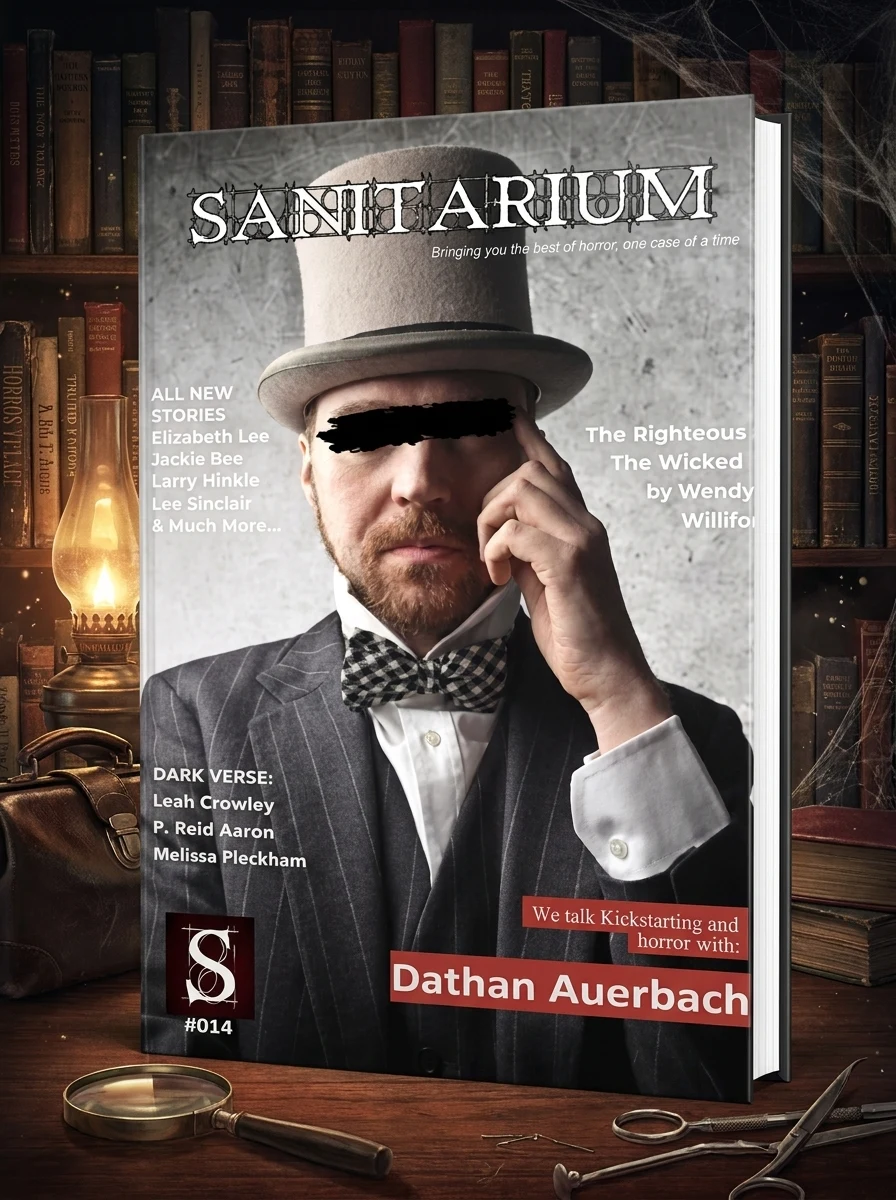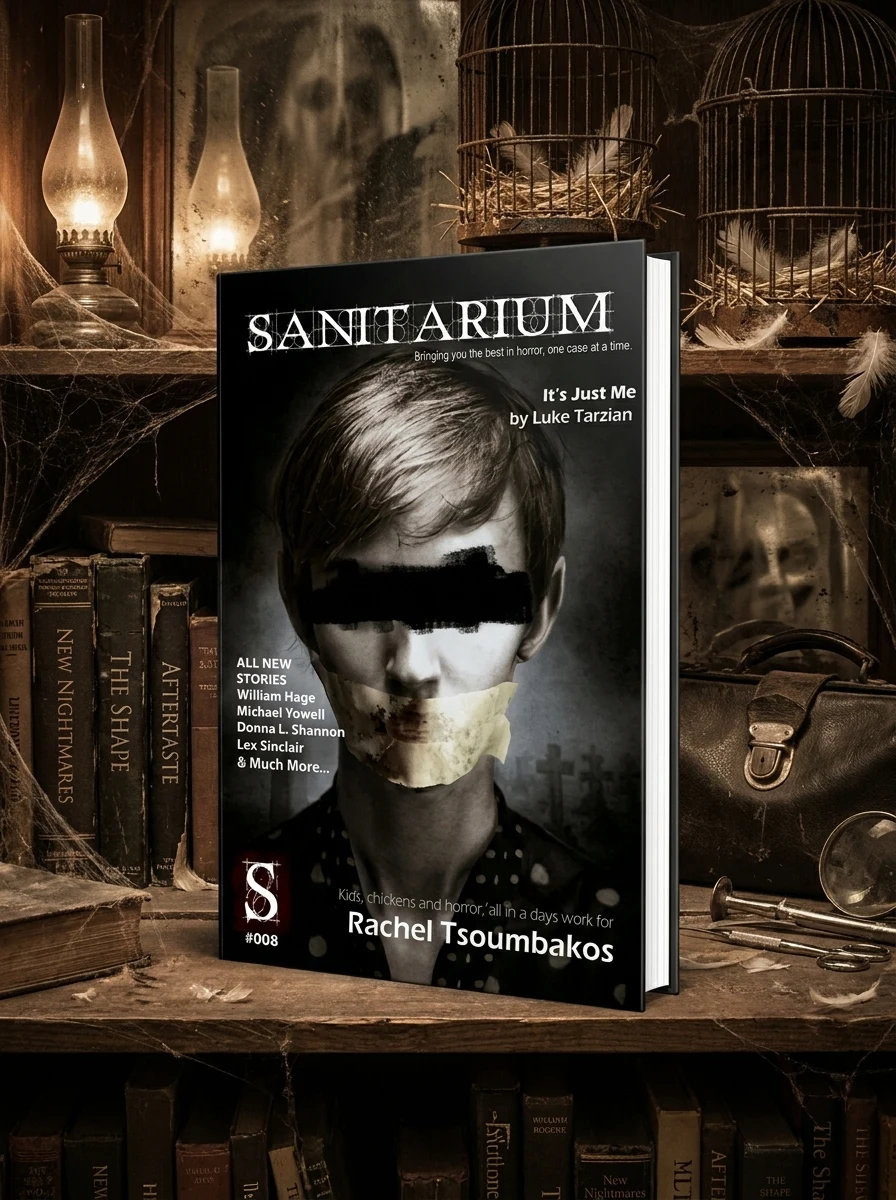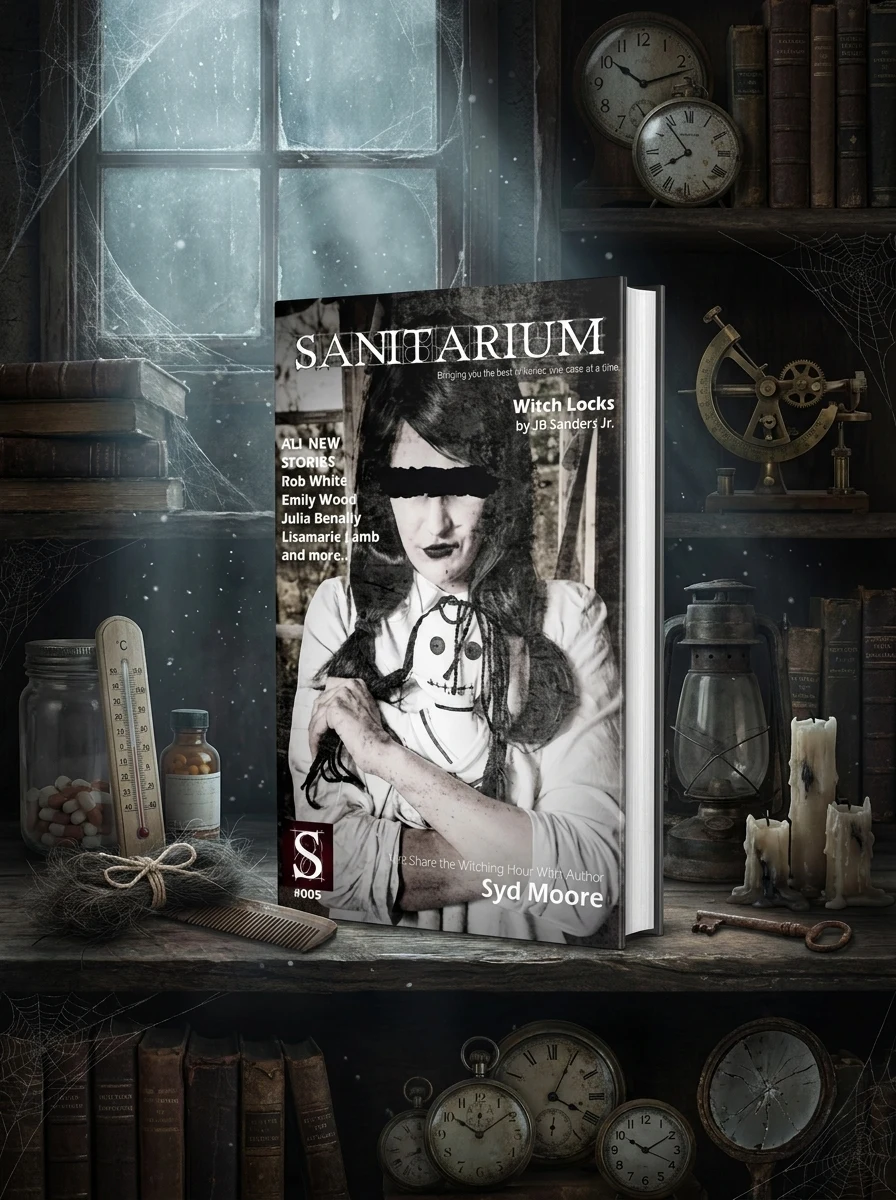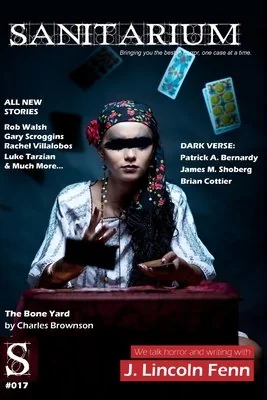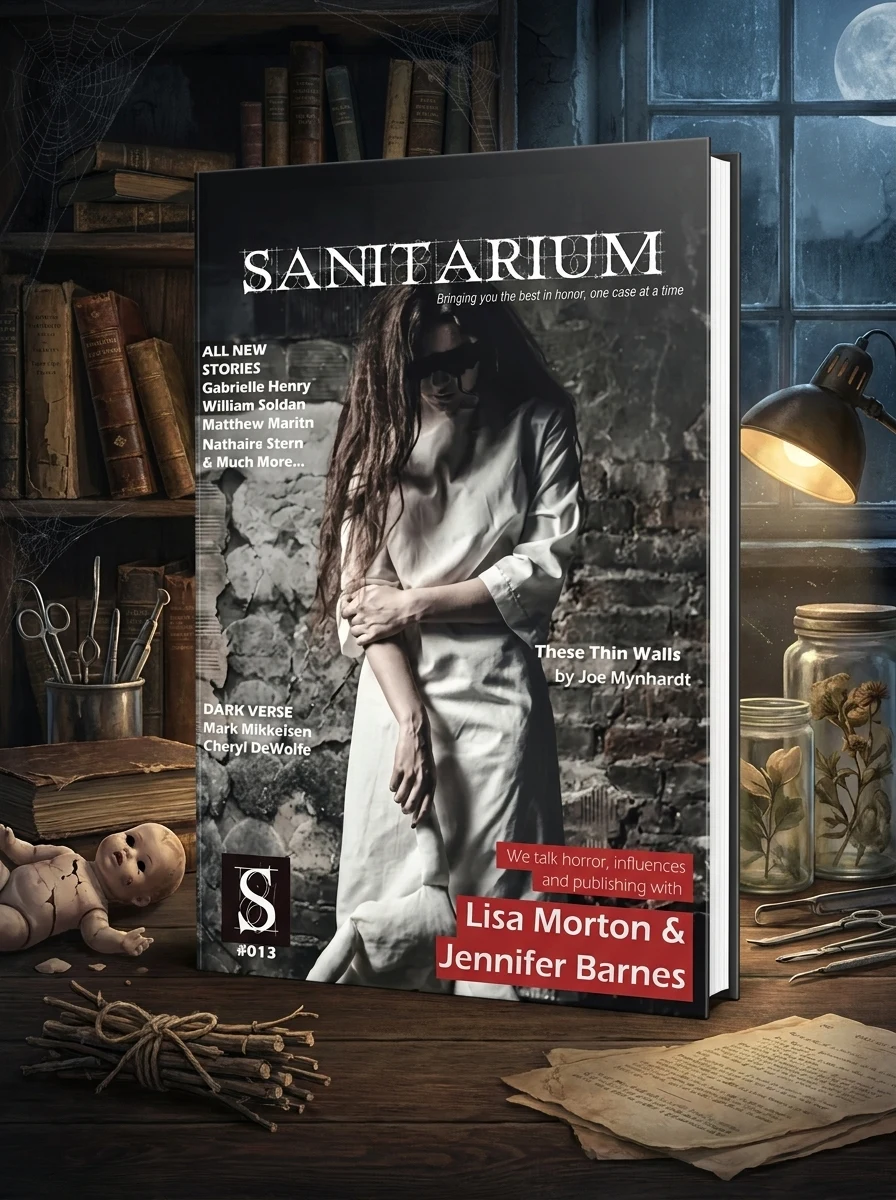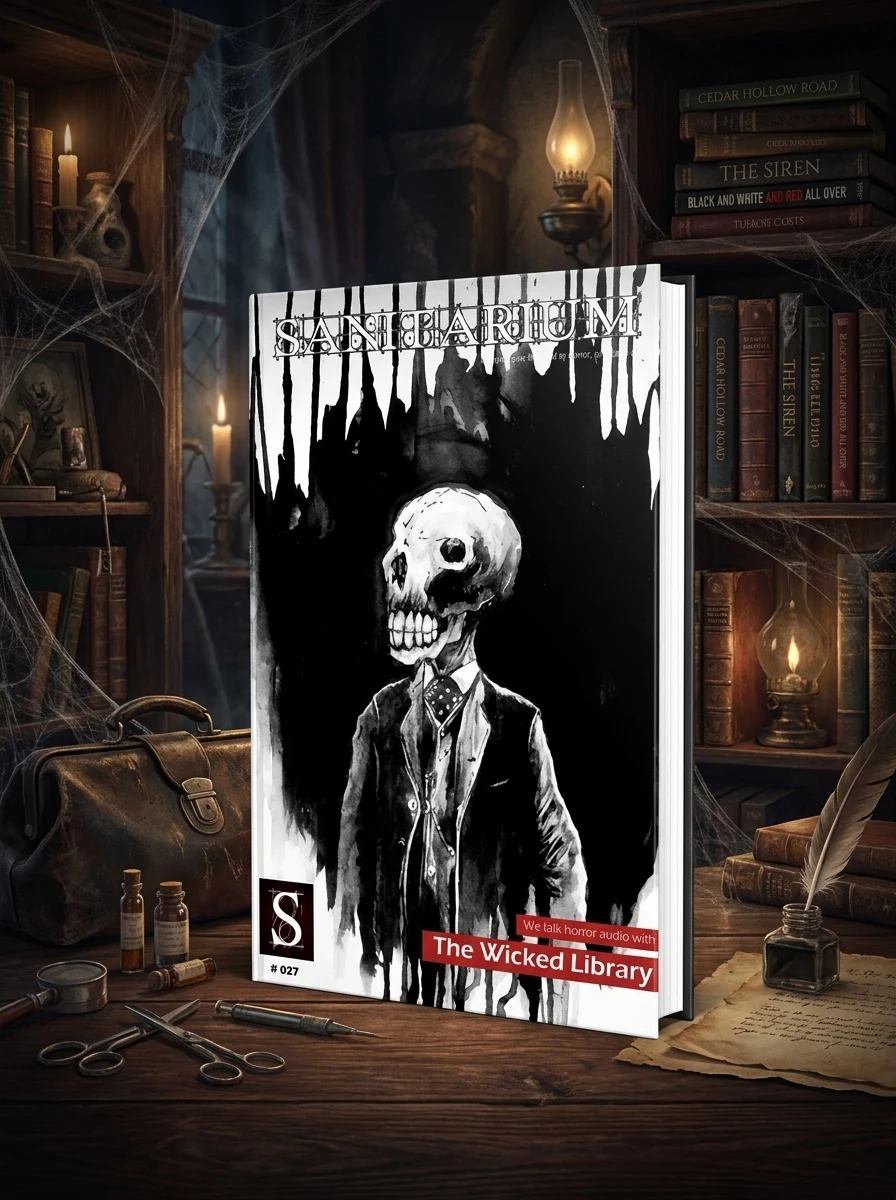
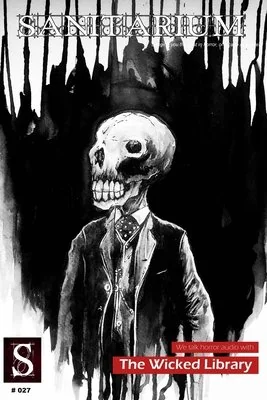
Sanitarium Issue #27: Sanitarium Magazine #27 (2014)
A curated anthology of short horror stories and interviews from 2014.
This volume gathers disparate voices under the Sanitarium banner, offering a mix of fiction and verse. Skelhorn selects pieces that evoke specific fears, ranging from road trips to historical events like Halloween in 1979. The text avoids traditional novel structures, instead providing isolated incidents of terror. Contributors like Michael Lindsay and Aaron Martz provide varied perspectives on the genre. The interviews add context to the creative process behind the stories. This approach creates a mosaic of horror rather than a single narrative arc.
Published in November 2014, this issue reflects the era of independent digital magazines. It captures the horror community's reliance on niche publications for fresh content. The work stands as a specific moment in early 2010s genre publishing.


📝 Description: Sanitarium Issue #27: Sanitarium Magazine #27 (2014)
💎 Our verdict on Sanitarium Issue #27: Sanitarium Magazine #27 (2014)
📖 Why choose it
Why this book is worth reading
Readers who appreciate the tactile experience of curated horror anthologies will find value in this collection's mosaic approach to terror. It suits those who prefer isolated incidents of dread over continuous narrative arcs, allowing for brief, intense reading sessions that fit into limited schedules. The inclusion of interviews and dark verse provides a deeper context for the creative process, appealing to enthusiasts interested in the mechanics behind the scares. By blending established gothic traditions with varied contemporary voices, it offers a diverse exploration of fear without demanding the commitment of a novel. This format is ideal for readers seeking fragmented storytelling that delivers distinct nightmares in quick succession, making it a practical yet potent choice for horror aficionados looking to explore specific fears through multiple perspectives.
⭐ Reader reviews
Reader rating
Skelhorn’s compilation succeeds as a diverse mosaic of horror rather than a unified narrative. The mix of fiction, verse, and interviews offers a rich tapestry of the macabre, appealing to fans of gothic and supernatural traditions. Contributors like Michael Lindsay and Aaron Martz provide varied perspectives that prevent monotony. While the lack of long-form world-building may disappoint some, the fragmented structure effectively delivers isolated terrors suitable for quick sessions. The inclusion of interviews adds valuable context to the creative process. This volume stands as a testament to the power of curated horror content in the digital age. It is best suited for readers who enjoy exploring specific fears through short, impactful stories rather than extensive plots. A solid addition for those valuing variety and brevity in their horror consumption.