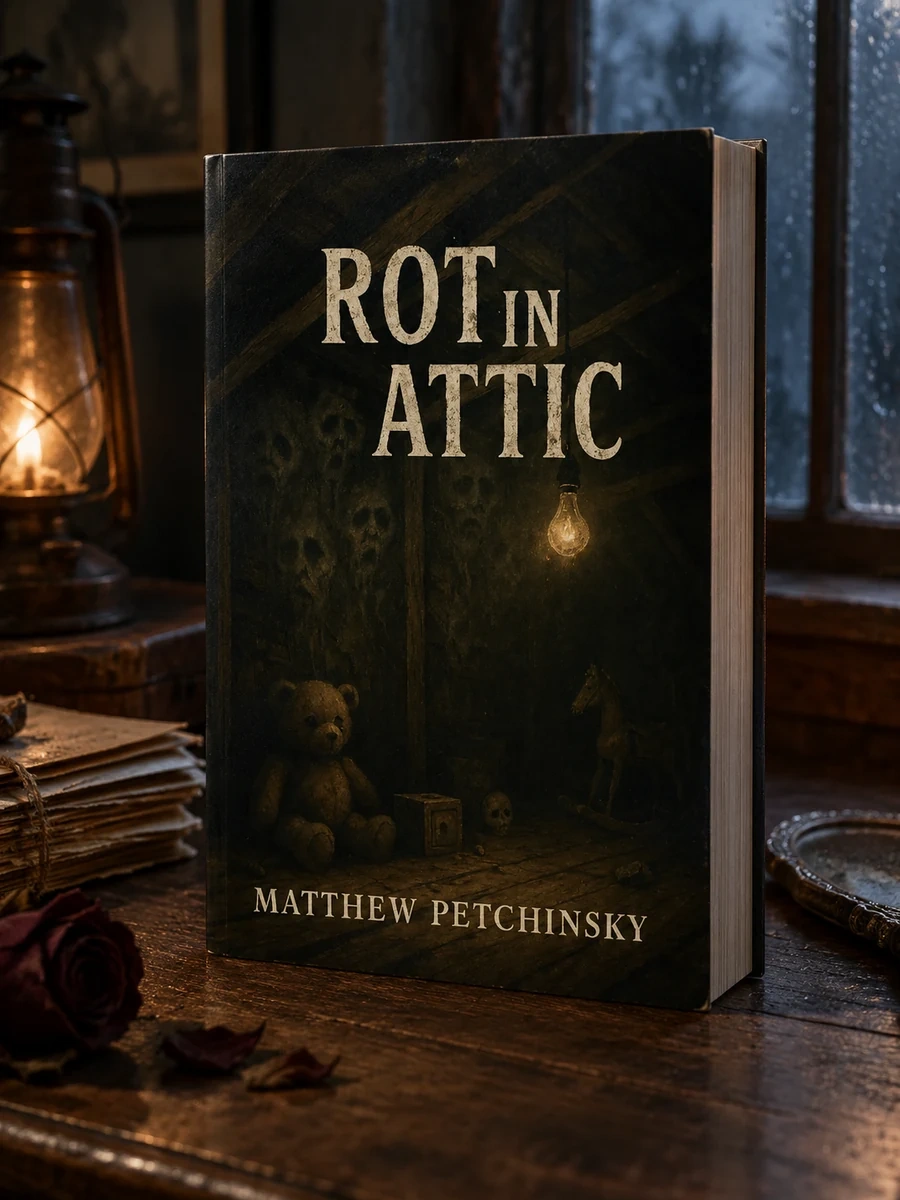
Rot in the Attic
A house breathes and remembers its visitor in this psychological horror novel.
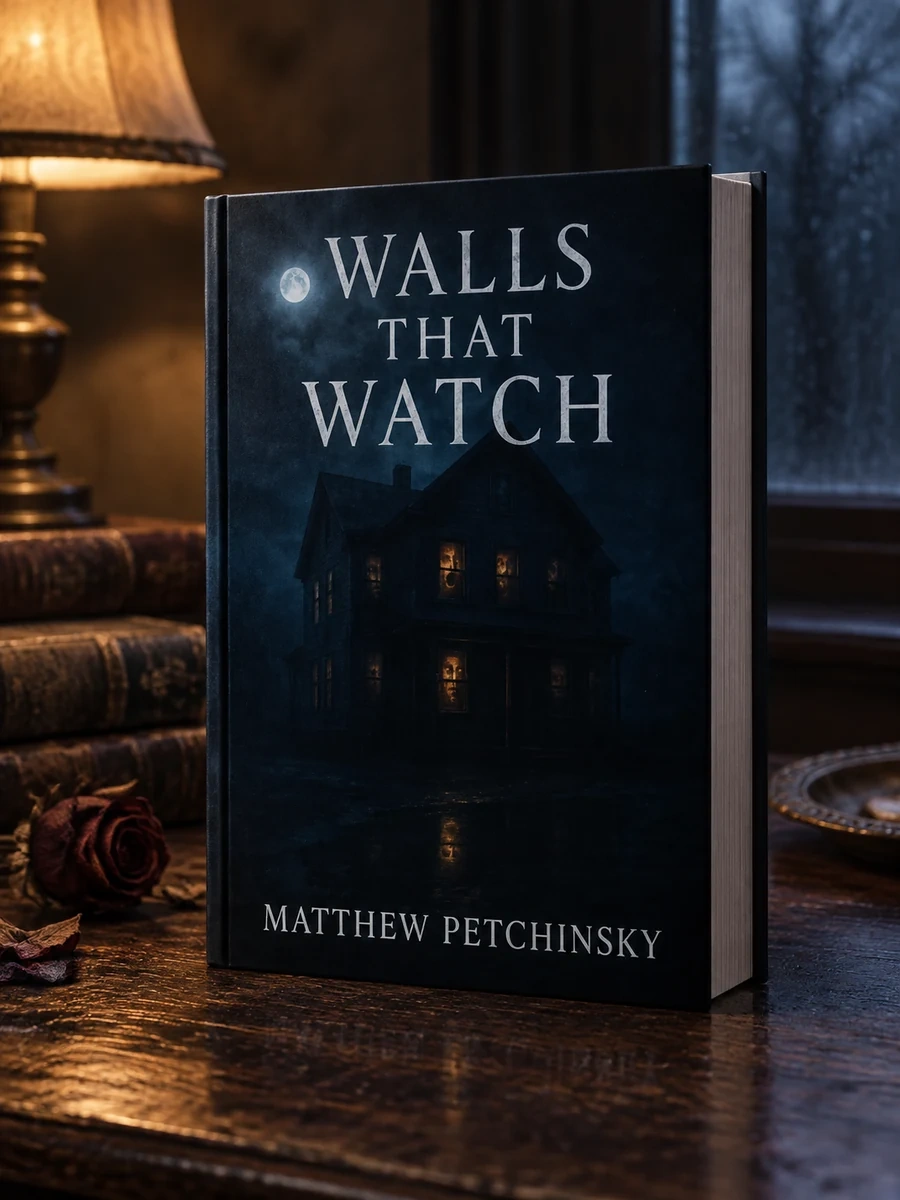
Petchinsky writes a chilling tale where the setting acts as an antagonist. The protagonist faces a structure that actively resists his departure through supernatural means. He confronts distorted memories while reading a journal of unknown origin. The story examines how abandonment affects the mind over time. It does not rely on jump scares but rather on creeping dread and emotional instability. The narrative structure mirrors the protagonist's mental decline, moving from confusion to terror. Readers experience the claustrophobia of a home that has turned against its owner.
The novel fits within the American horror tradition of haunted house fiction. It draws on gothic themes of ancestral homes and family secrets. The work engages with contemporary psychological horror that focuses on internal madness rather than external monsters. It reflects modern anxieties about memory loss and identity erosion.


📝 Description: Rot in the Attic
💎 Our verdict on Rot in the Attic
📖 Why choose it
Why this book is worth reading
This book is ideal for readers who prefer slow-burn atmospheric dread over visceral shock or fast-paced action. Those interested in the intersection of memory, identity, and psychological fragmentation will find deep engagement in Ezra’s unraveling journey. It appeals to fans of claustrophobic settings where the environment itself acts as an antagonist. Readers seeking a narrative that questions the reliability of perception and the weight of the past will appreciate its emotional intensity. It offers a unique exploration of abandonment and how the mind copes with isolation, providing a haunting experience for those who enjoy stories without clear resolutions or easy answers.
⭐ Reader reviews
Reader rating
Petchinsky crafts a masterful study of creeping dread, utilizing a sentient, hostile home to externalize the protagonist's mental decline. The narrative structure effectively mirrors Ezra’s loss of sanity, moving from confusion to sheer terror without relying on cheap jump scares. By blending visceral imagery of mold and decay with emotional unraveling, the author creates a suffocating atmosphere that lingers long after reading. This is best suited for enthusiasts of literary horror who value psychological depth and atmospheric tension. It challenges readers to confront uncomfortable questions about memory and selfhood, delivering a potent, claustrophobic experience for those willing to endure its slow descent into madness.
📖 Read on the blog
📖 From the series “A House with No Exit”
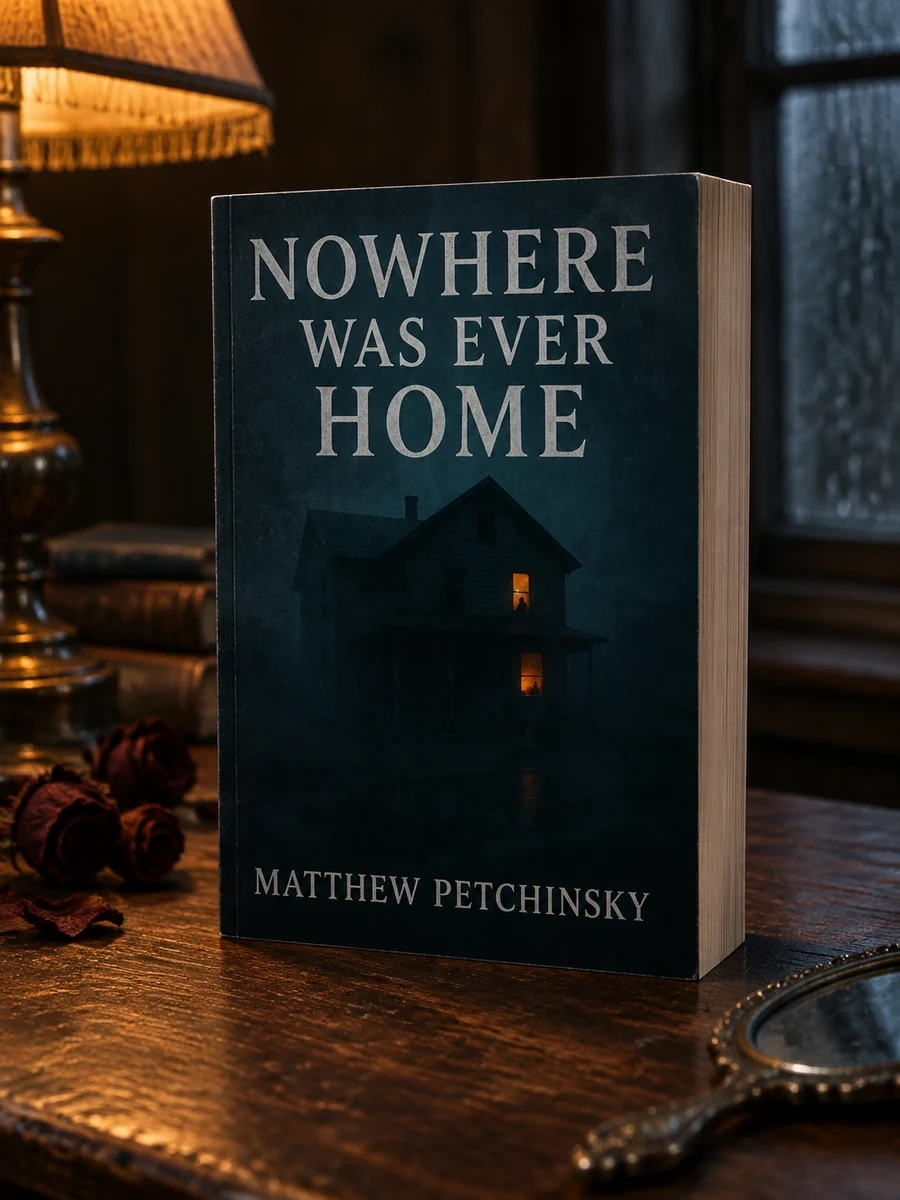


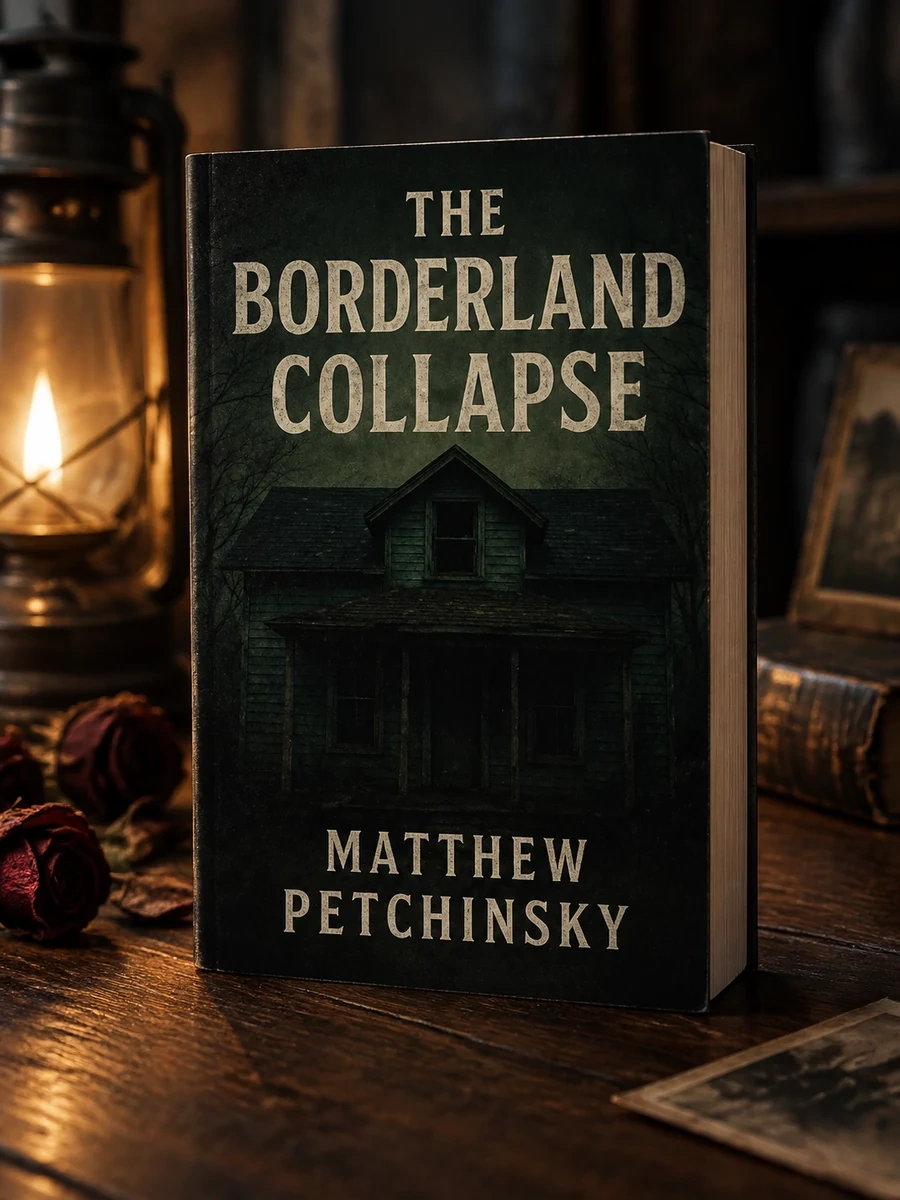
✍️ More books by this author Matthew Petchinsky
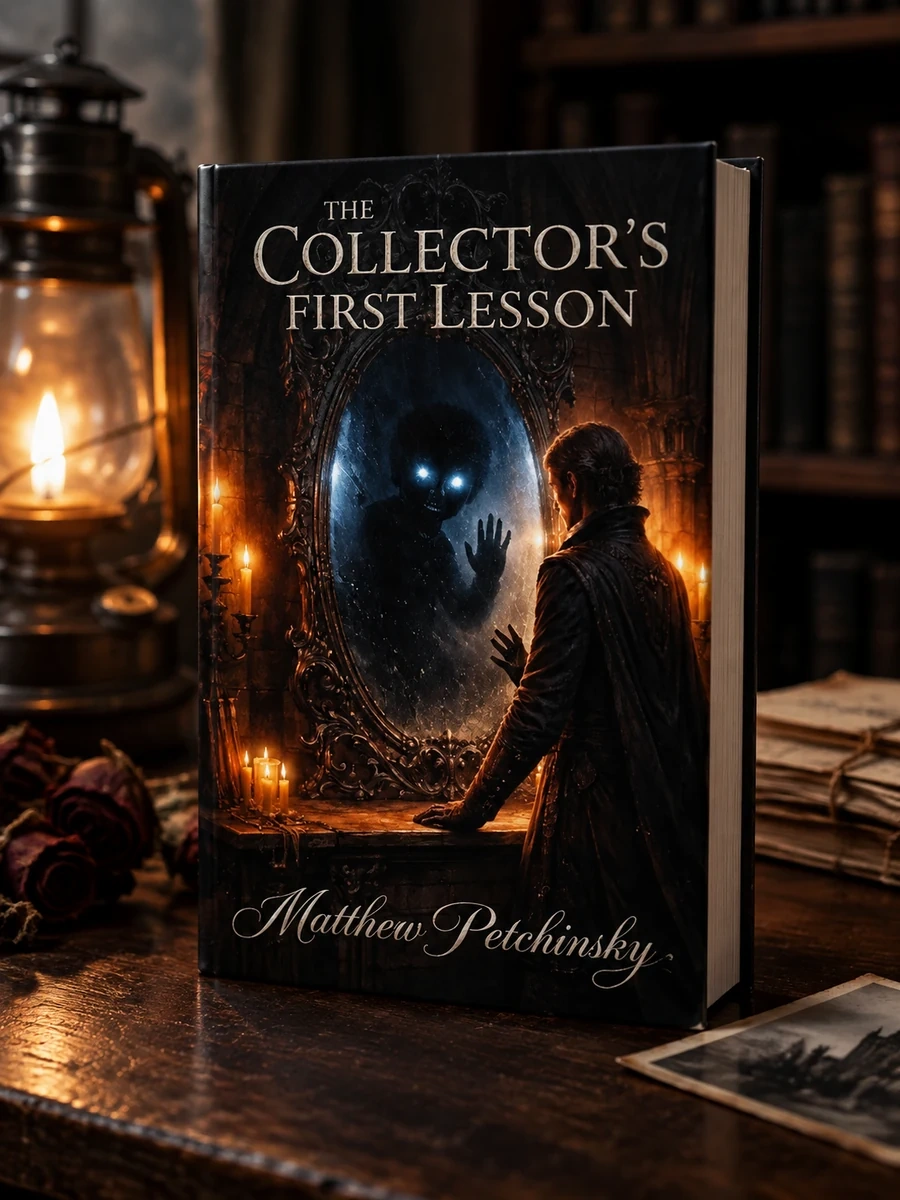
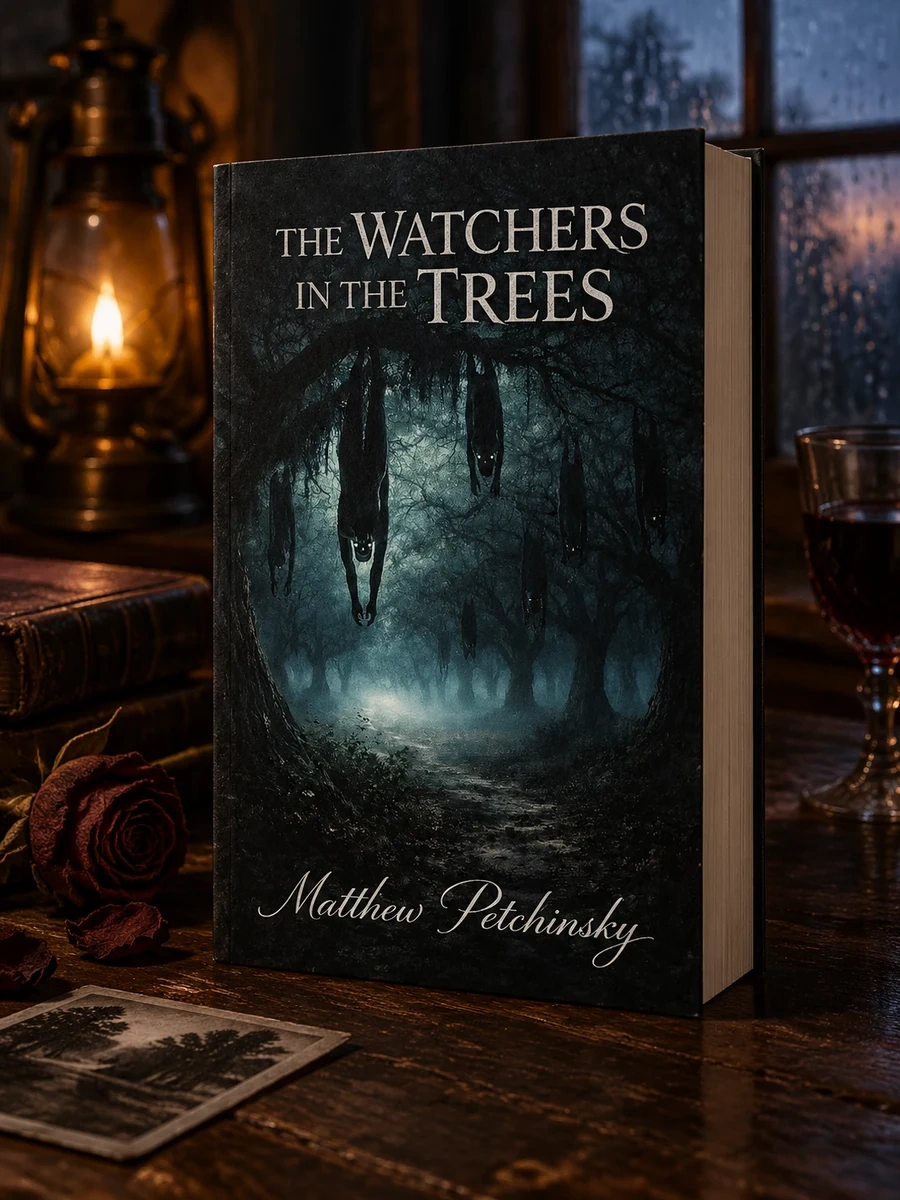
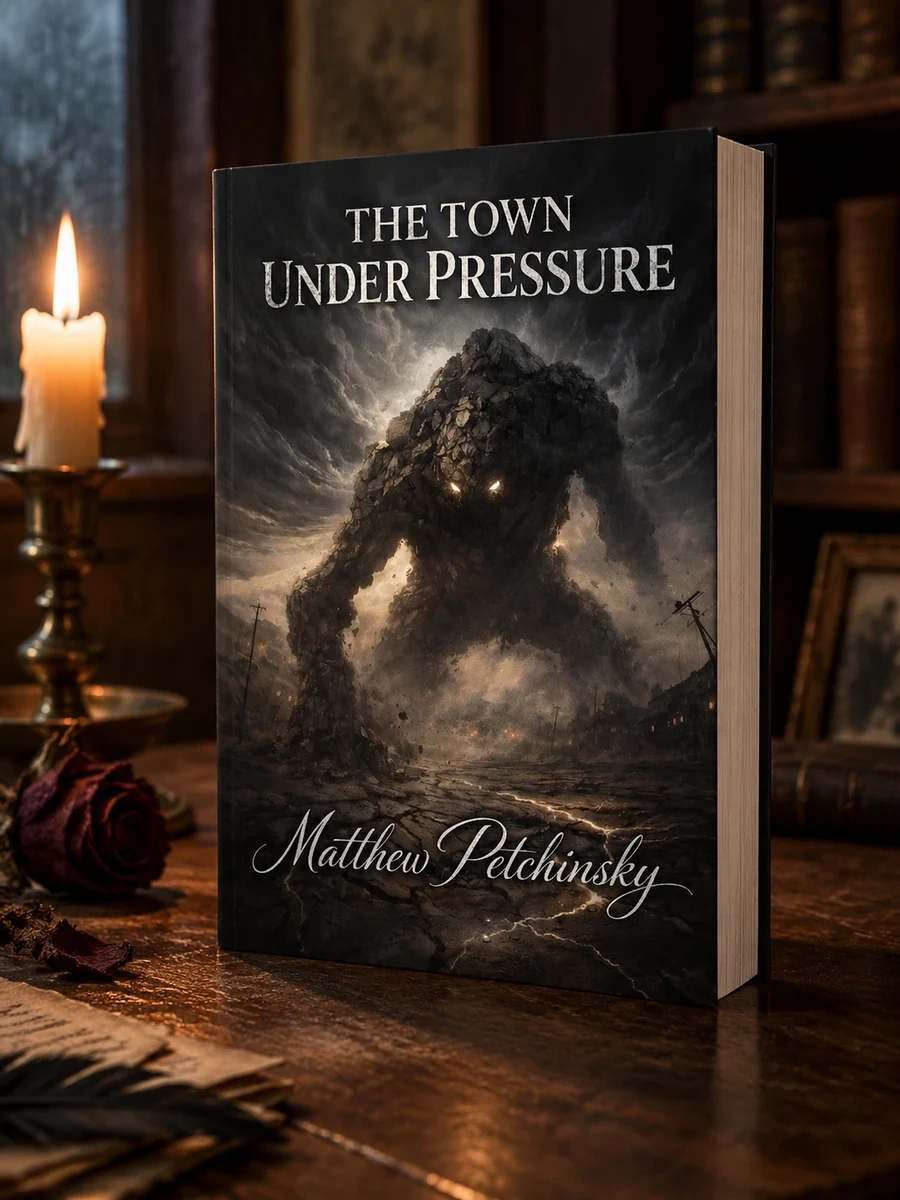
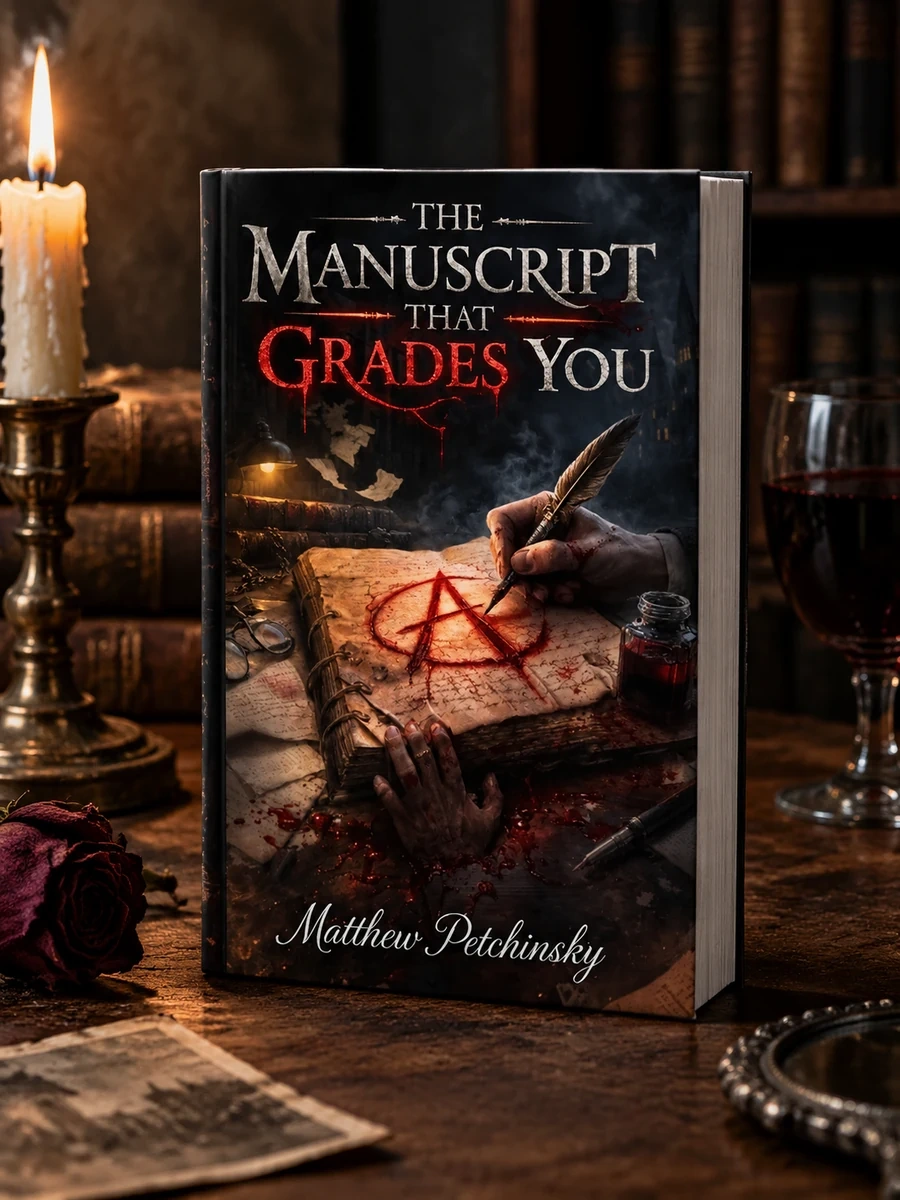
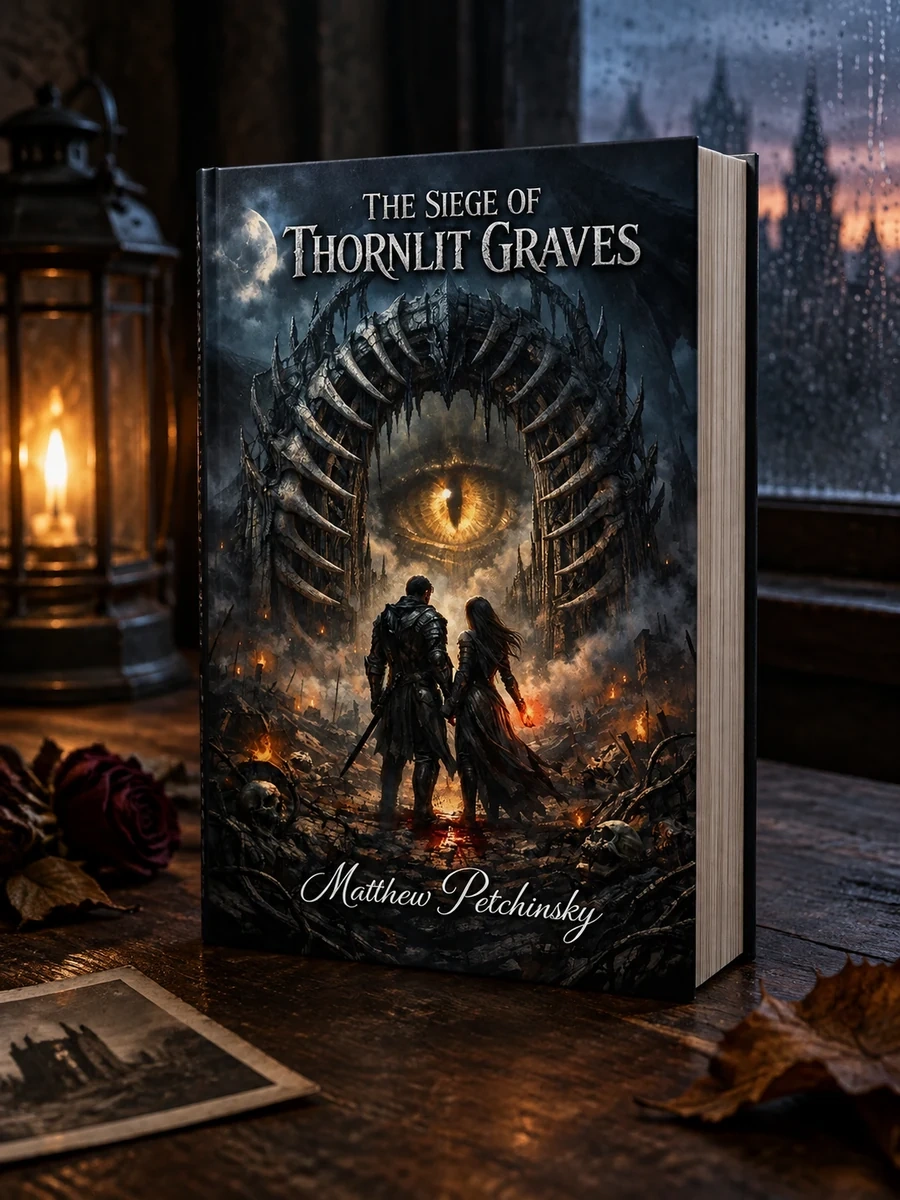
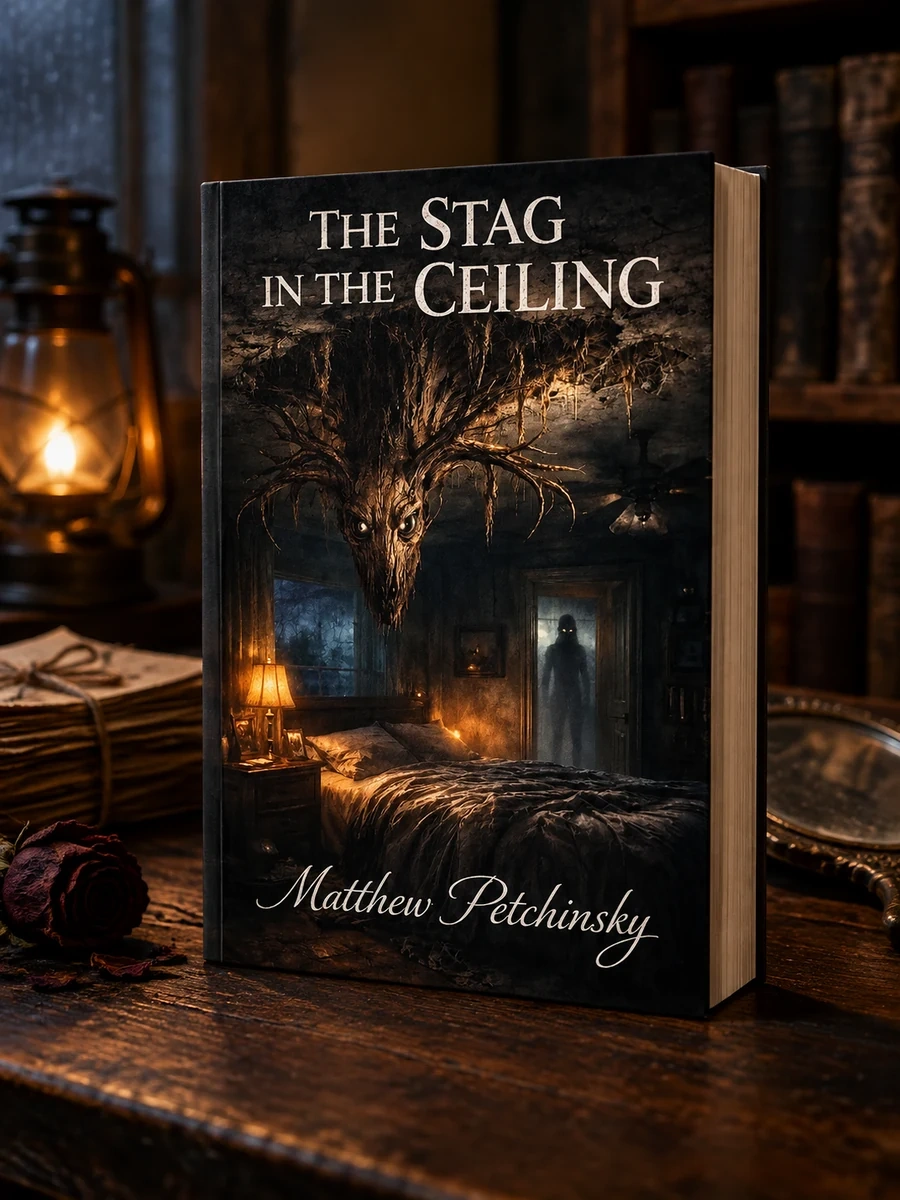
🏛 Books from this publisher Matthew Edward Petchinsky
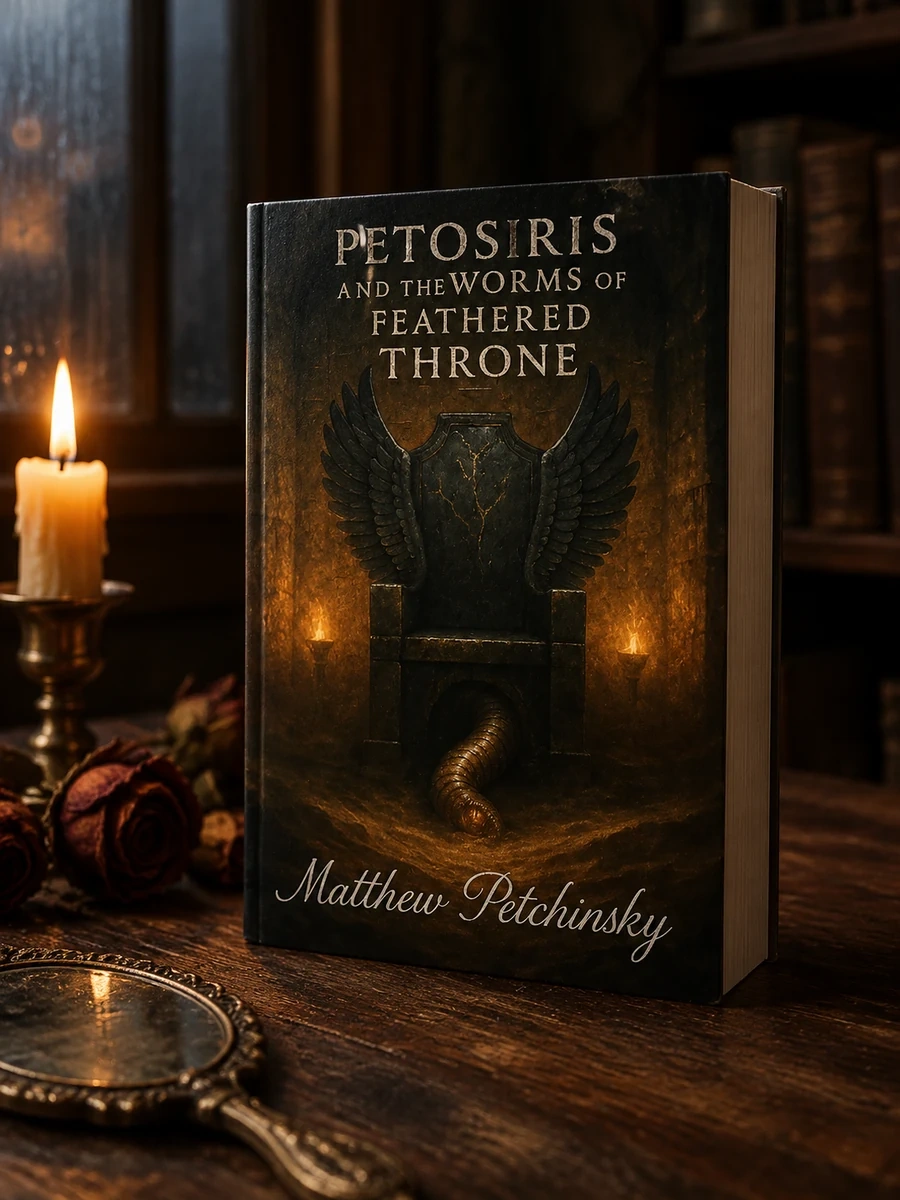
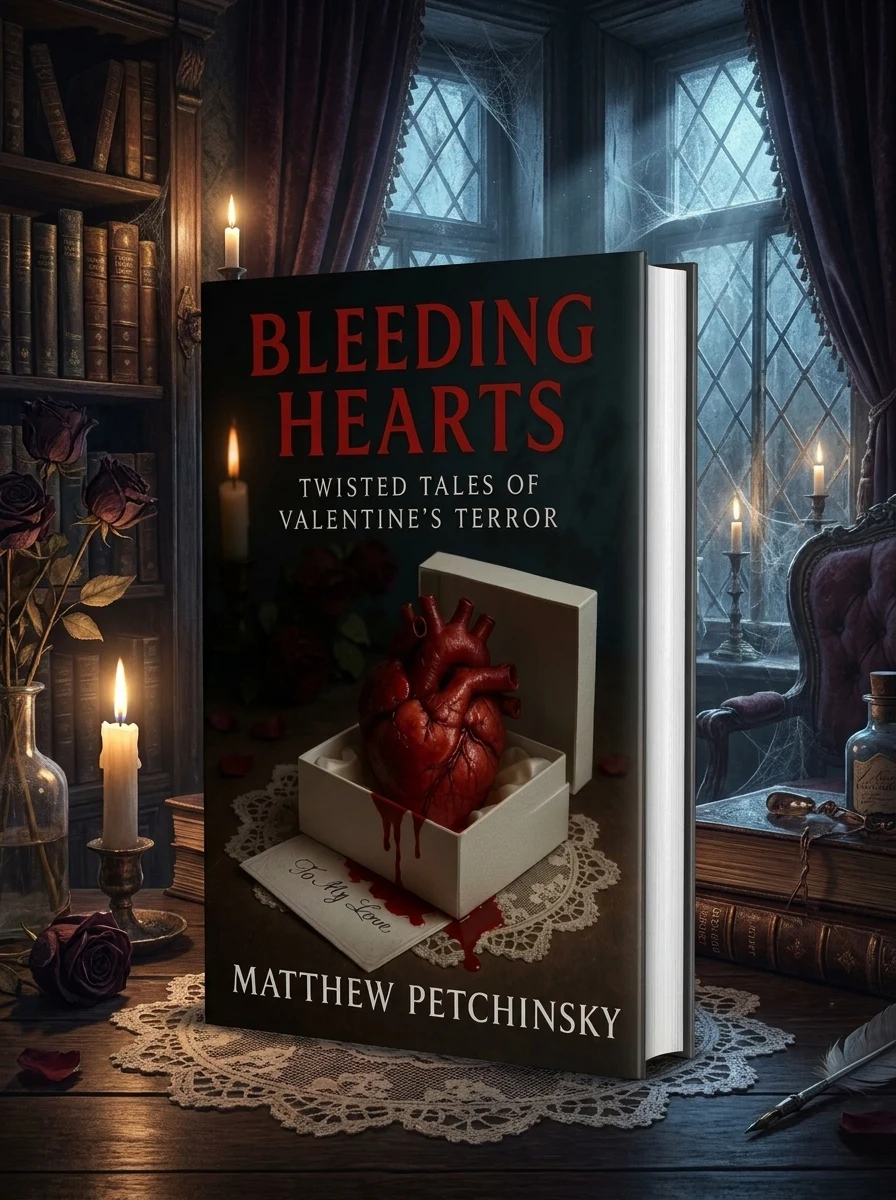

You might also like
See more →
Have a question about this item?
Ask about the edition, condition, delivery or anything else — we reply by email or phone, usually within a day.
