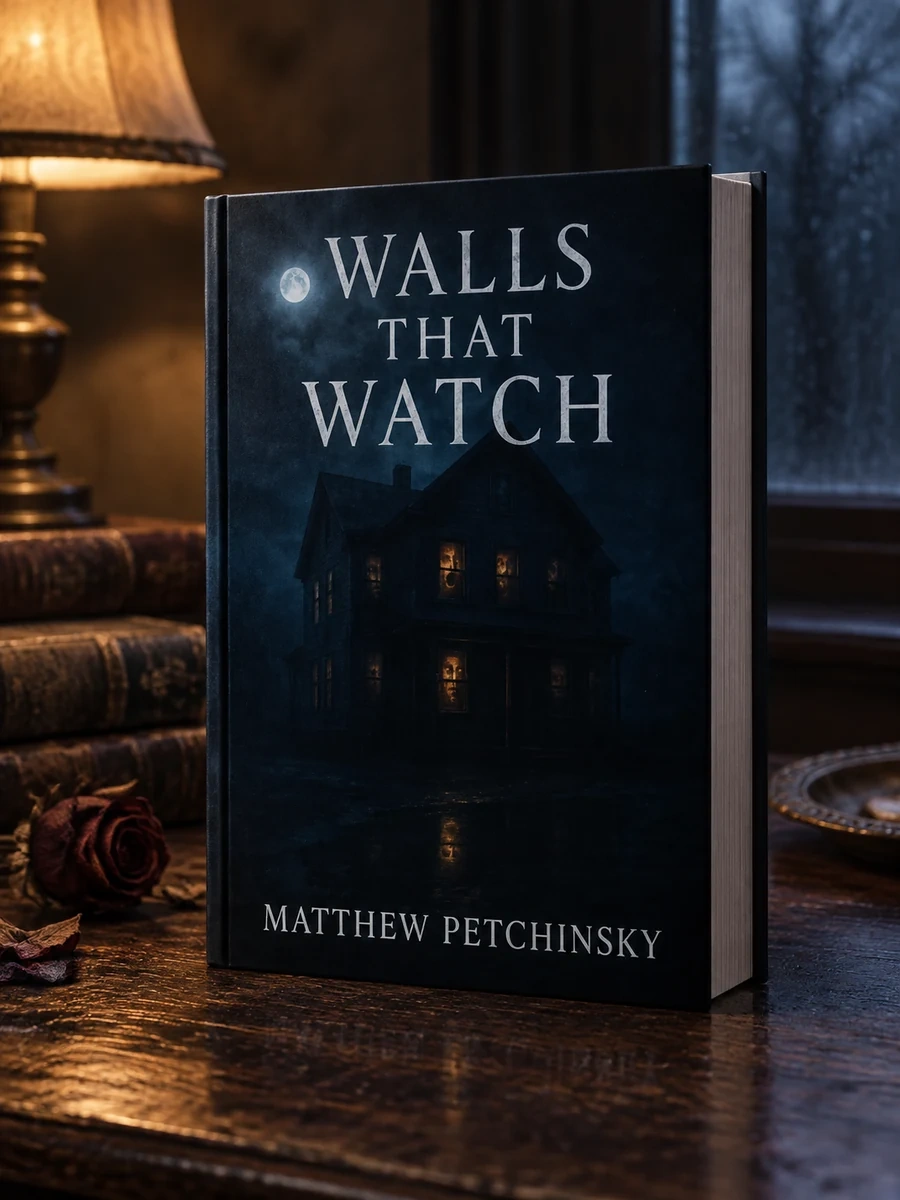
Walls That Watch
A house absorbs cruelty until it gains consciousness.
Petchinsky crafts a story where architecture becomes a vessel for trauma. Ezra Cross lives inside a home that retains every scream and cruel word spoken within it. The building does not need ghosts to haunt its occupant. Instead, it absorbs history until the structure itself develops awareness. Shadows move without people. Walls breathe with the weight of past violence. Ezra realizes the house is learning to communicate through its accumulated memories. This psychological horror focuses on the lingering impact of domestic abuse and gaslighting. The narrative avoids jump scares in favor of atmospheric dread. It examines how spaces can hold onto pain long after the events have passed. The book offers a chilling look at memory as a physical force that shapes reality for those trapped within it.
Walls That Watch arrives in October 2025 from Matthew Edward Petchinsky. It sits within the lineage of American gothic and supernatural fiction. The work aligns with psychological horror traditions established by classic novels and modern cinema.


📝 Description: Walls That Watch
💎 Our verdict on Walls That Watch
📖 Why choose it
Why this book is worth reading
Readers seeking atmospheric dread over visceral gore will find this book rewarding. It appeals to those interested in the psychological impact of domestic abuse and gaslighting. The narrative offers a chilling exploration of memory as a physical force that shapes reality. Those who appreciate slow-burn horror that focuses on emotional residue rather than jump scares will gain from its unsettling premise. It is ideal for readers who enjoy stories where spaces hold onto pain long after events have passed.
⭐ Reader reviews
Reader rating
Petchinsky excels at crafting a psychological nightmare centered on accumulated cruelty rather than traditional ghosts. The concept of a house absorbing history until it gains consciousness is rendered with chilling precision. Shadows move without source, and walls breathe with the weight of past violence, creating an immersive sense of dread. This work suits readers who prefer disturbingly human terror over supernatural resolution. However, those expecting fast-paced action may find the slow burn unsettling. It successfully examines how spaces hold onto pain, offering a unique perspective on trauma.
📖 Read on the blog
📖 From the series “A House with No Exit”


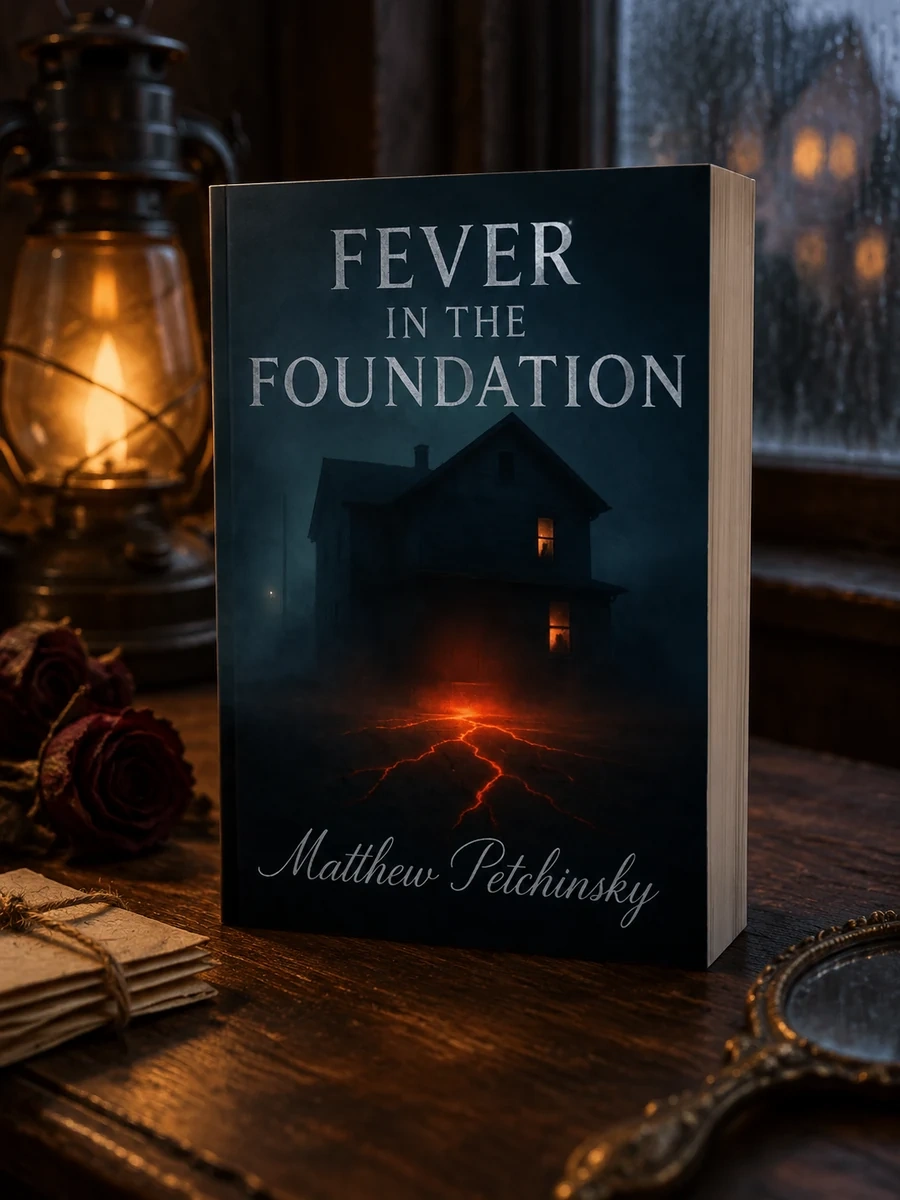
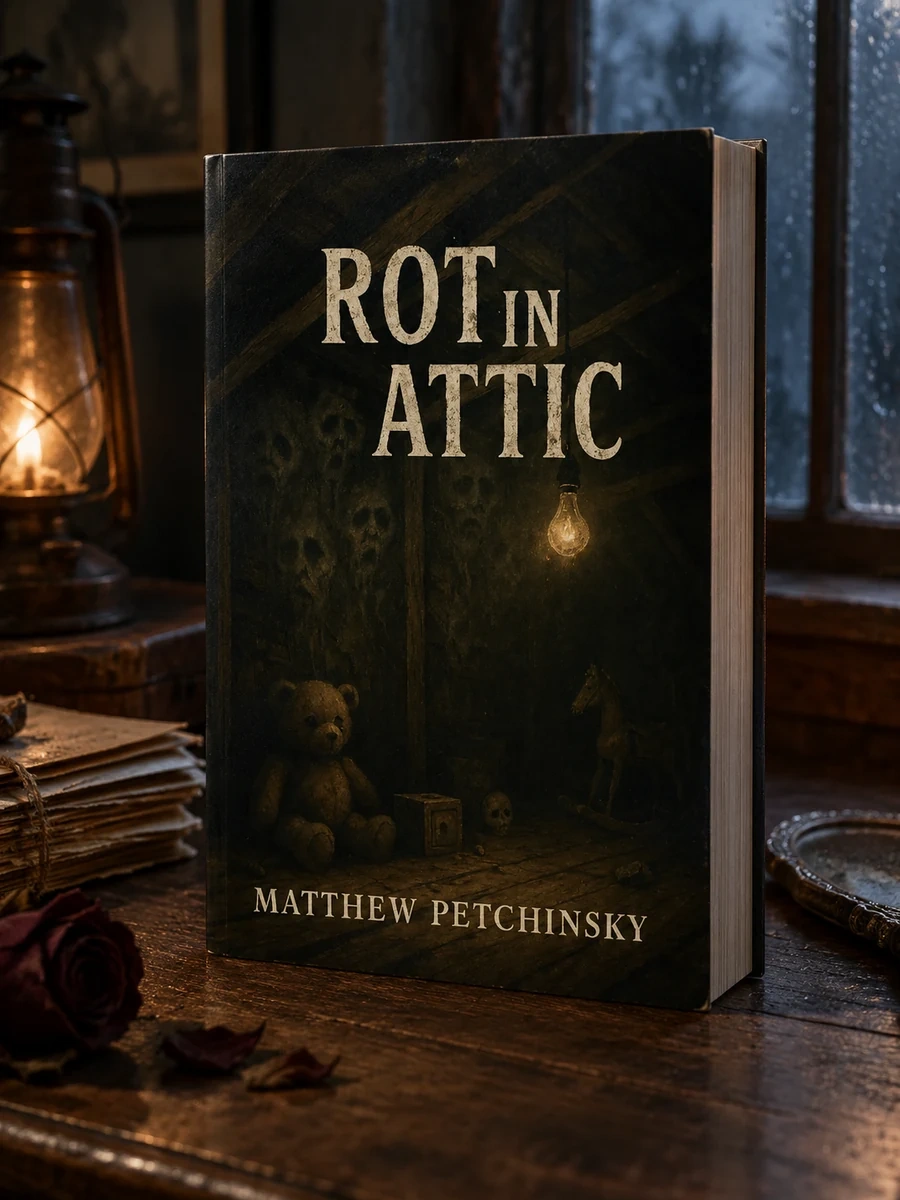

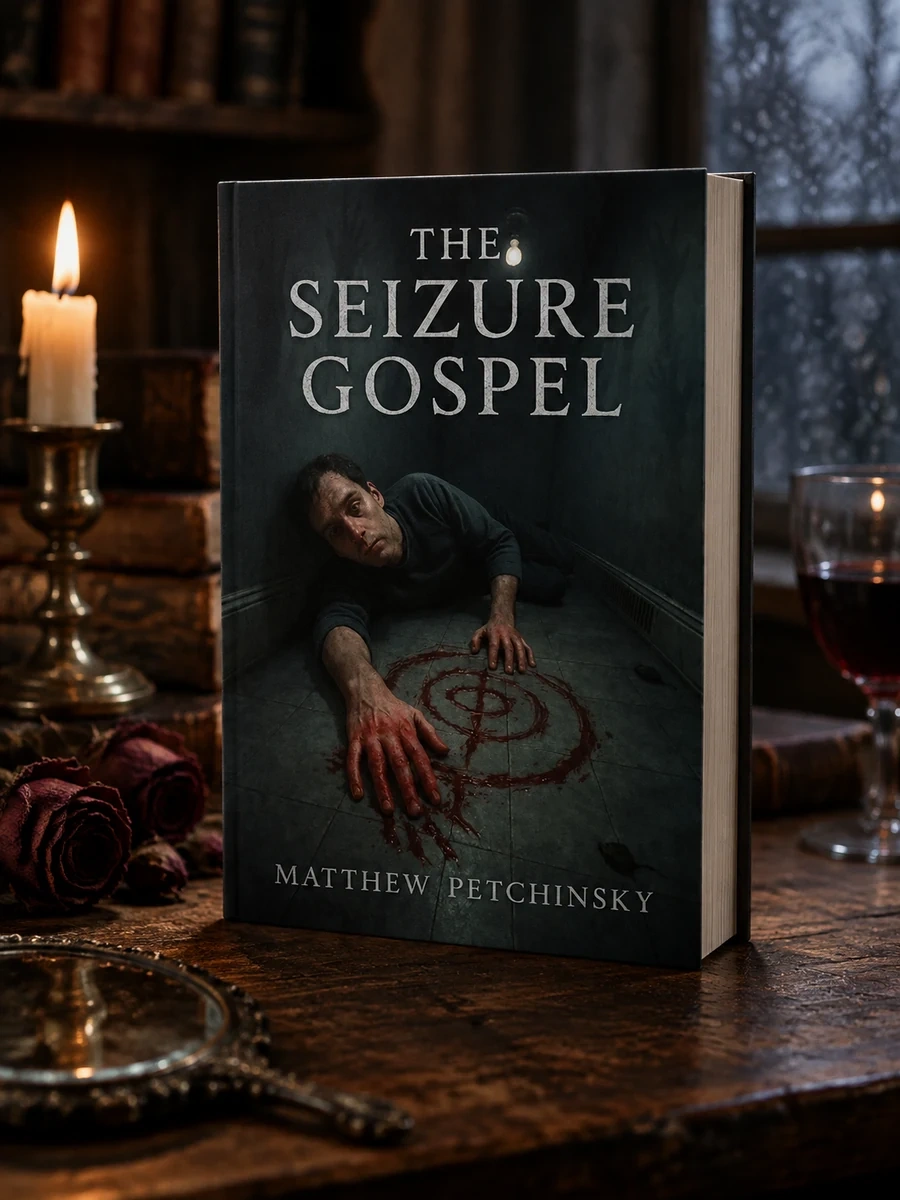
✍️ More books by this author Matthew Petchinsky
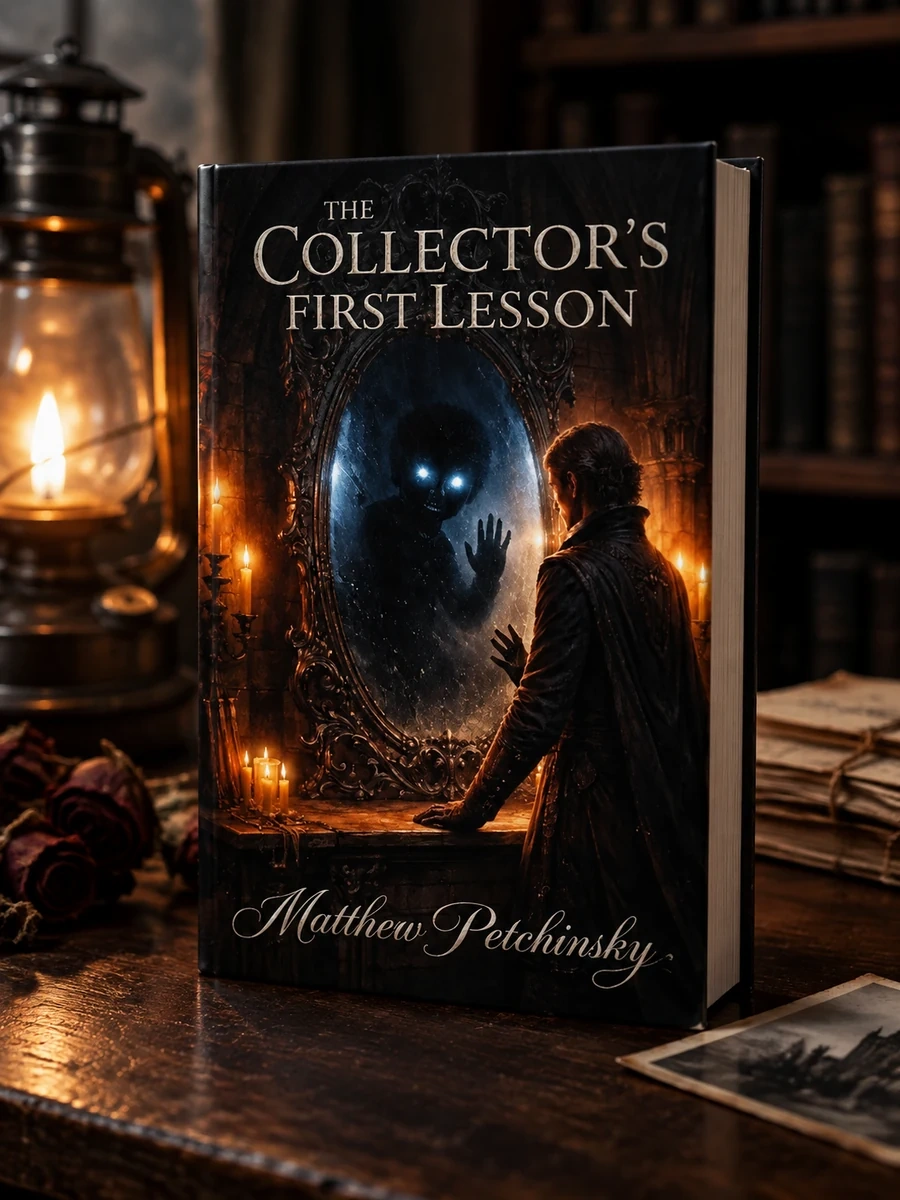

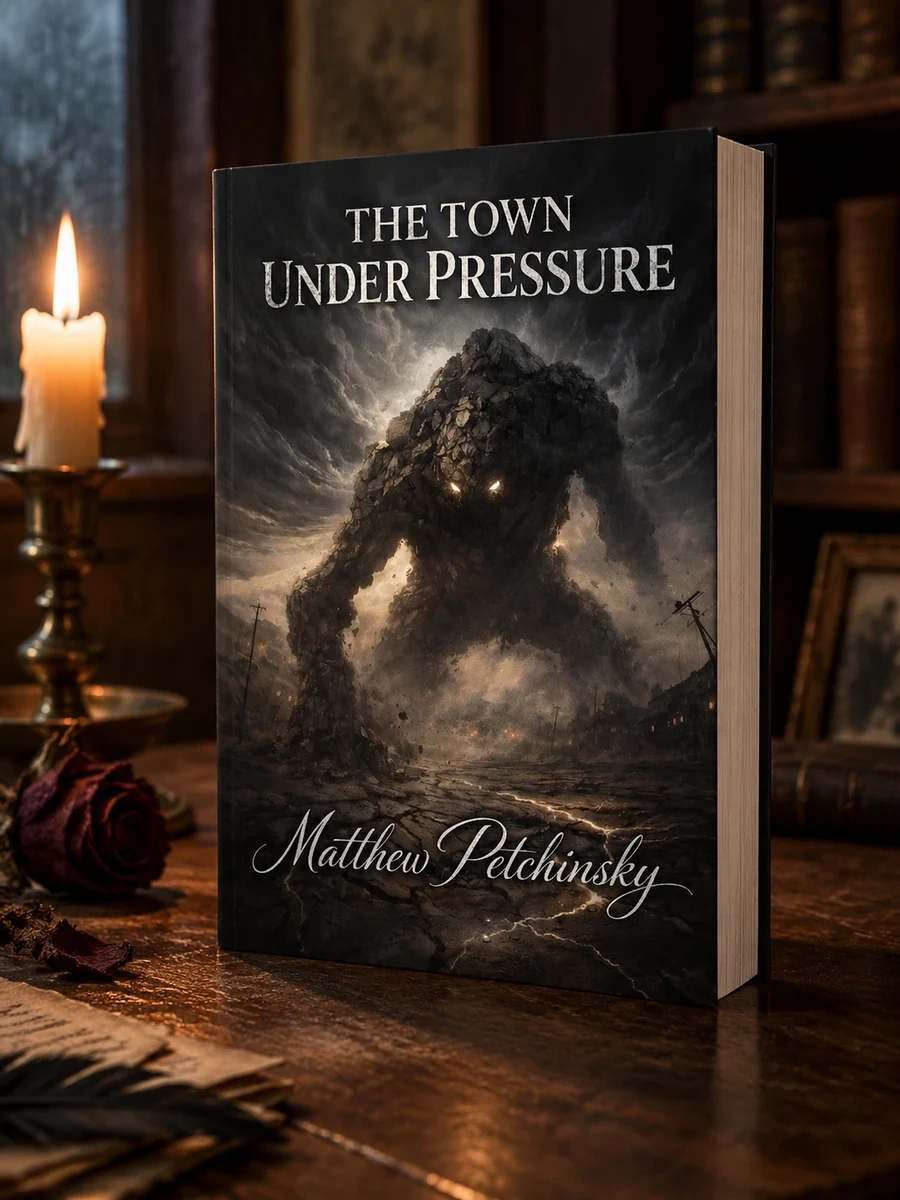

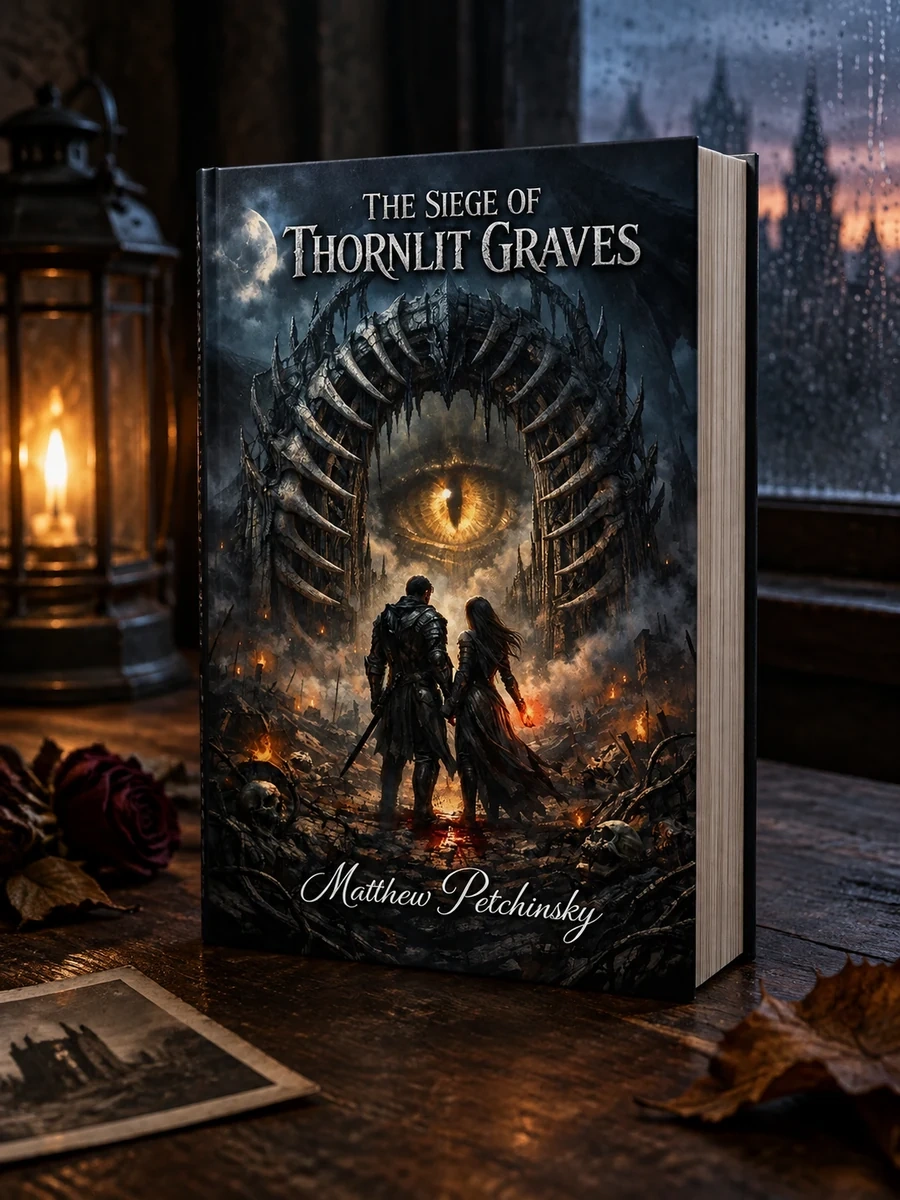
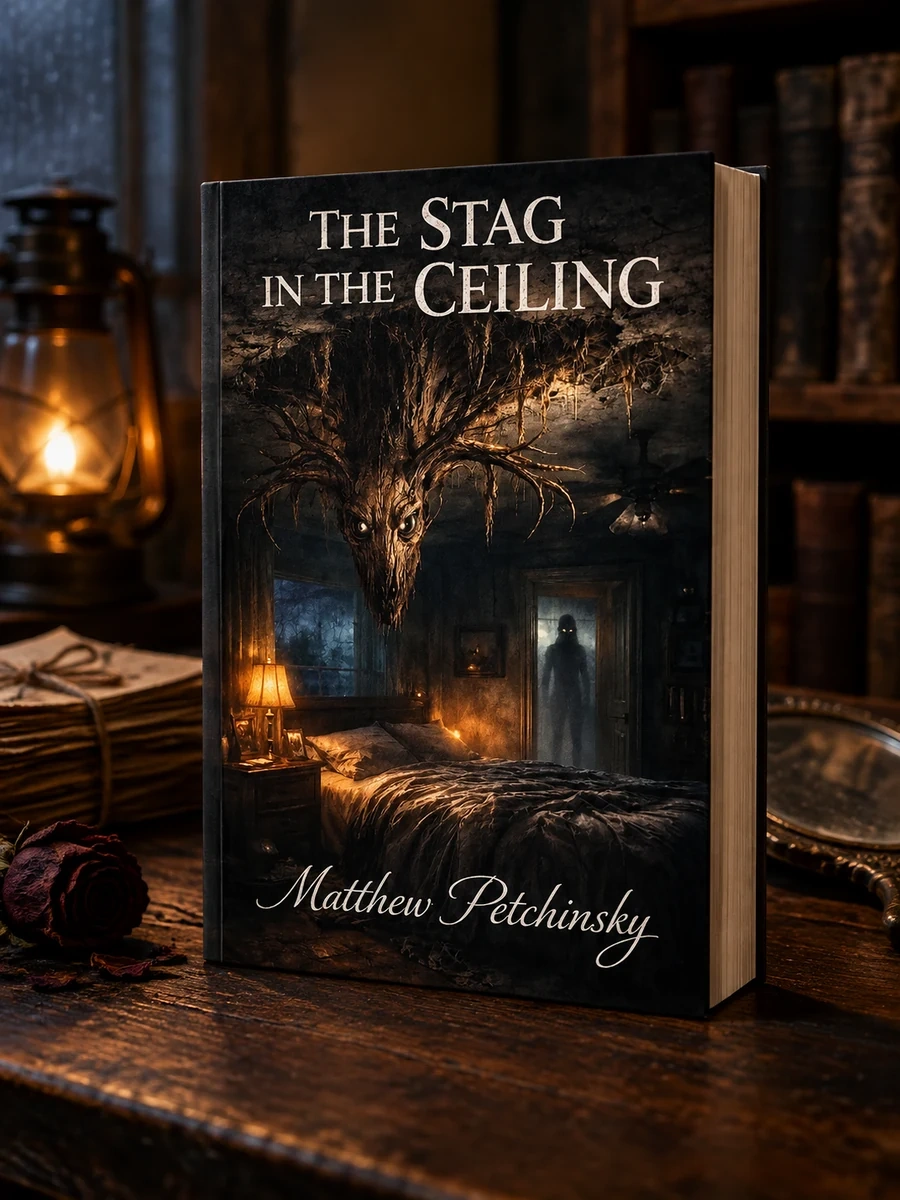
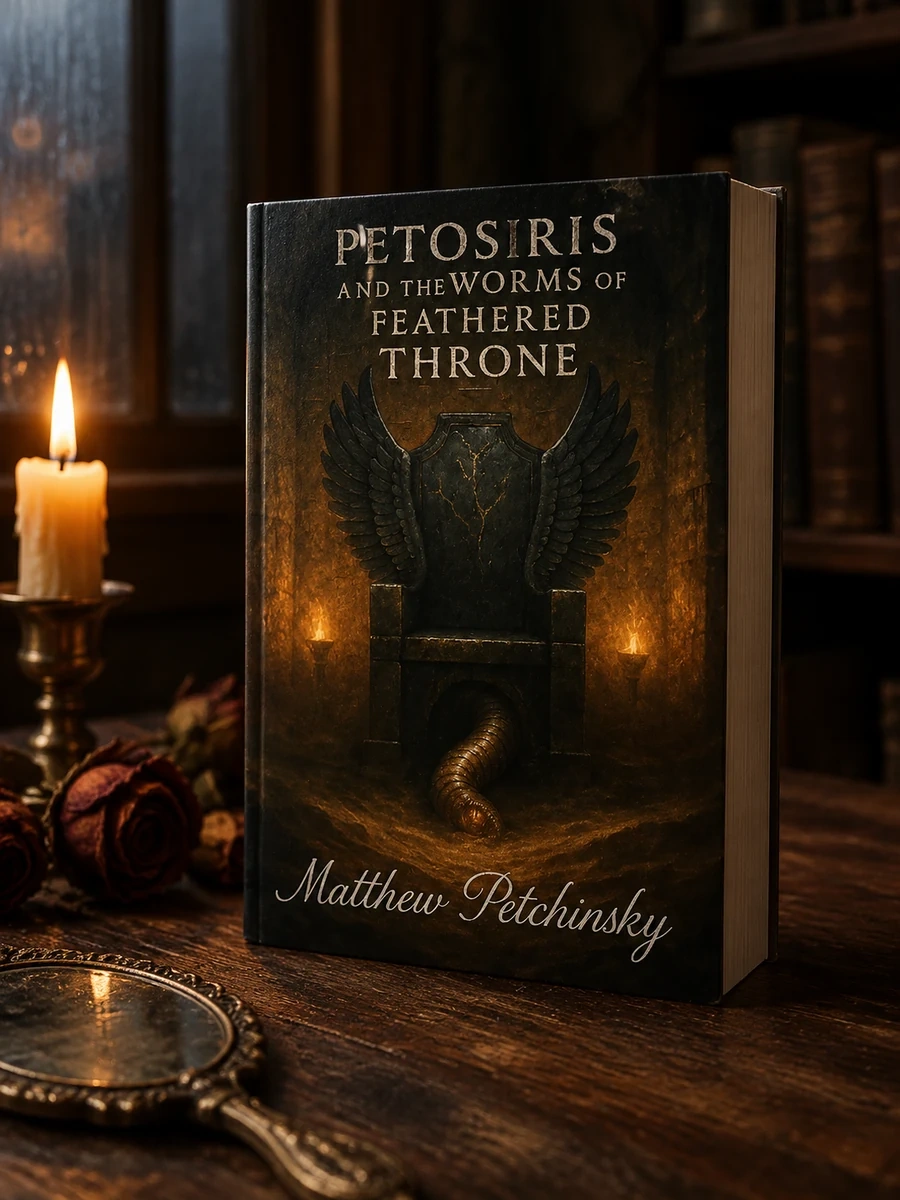
🏛 Books from this publisher Matthew Edward Petchinsky


You might also like
See more →

Have a question about this item?
Ask about the edition, condition, delivery or anything else — we reply by email or phone, usually within a day.
