Rosemont, Home of the Criminally Insane
A gothic exploration of a demonic prison built before America.
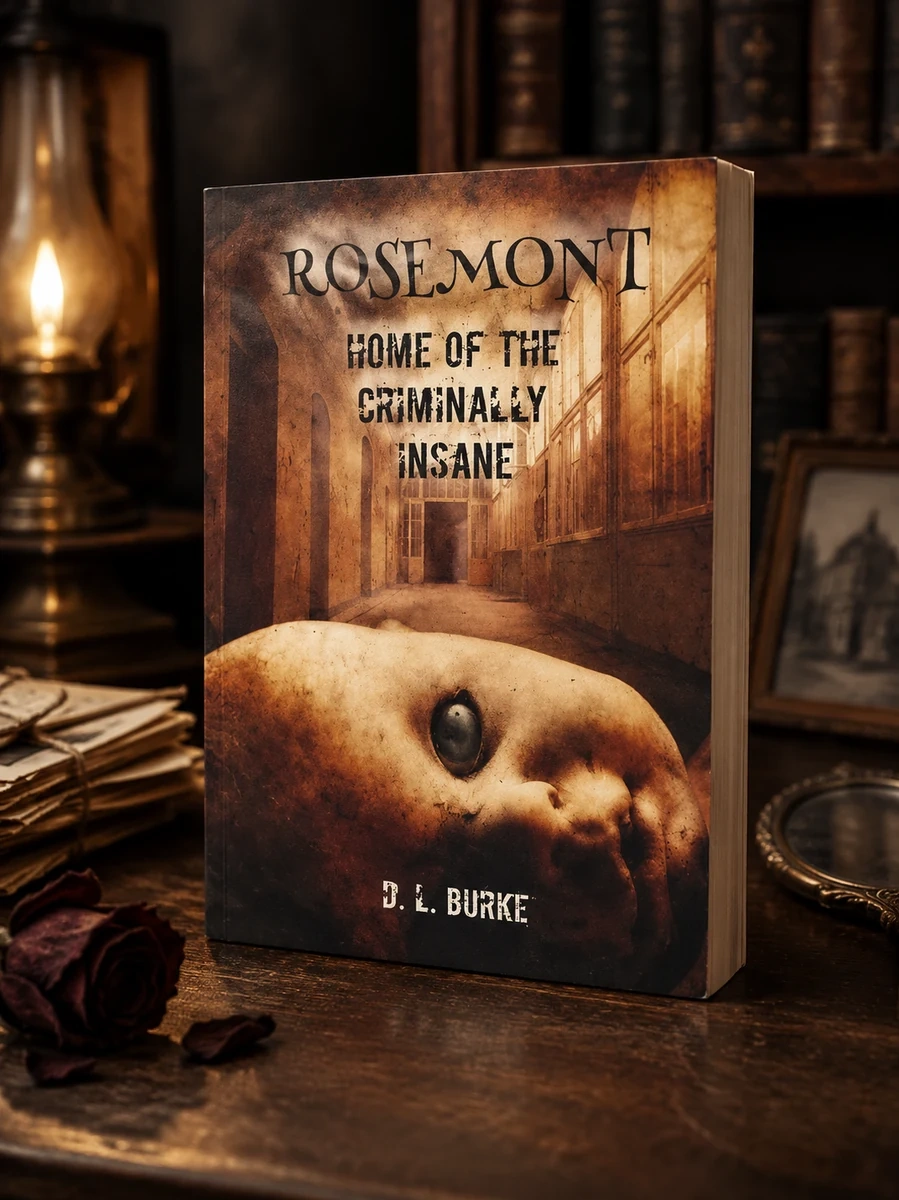
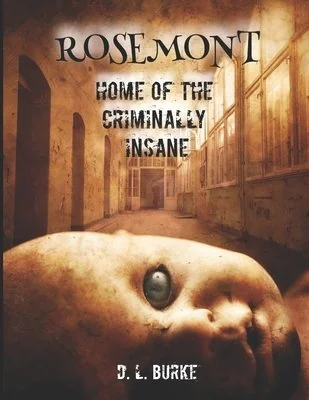
Burke constructs a narrative where hell is a physical place on earth, created by Satan’s followers before human civilization. Rosemont serves as a multi-story facility for the criminally insane. The design features infinite hallways and numerous doors. Each door conceals specific stories of violence and death. The work avoids conventional supernatural tropes by grounding its horror in structural impossibility. The setting is pre-American, emphasizing ancient demonic origins. The organization follows the building’s layout rather than a linear plot. This approach highlights the macabre through spatial confinement. The tone remains bleak and unyielding throughout. Burke uses the concept of infinite space to amplify the sense of despair. The book appeals to fans of dark fantasy who appreciate detailed world-building. It rejects hopeful endings or redemptive arcs. The focus stays on the eternal nature of the punishment and the architecture that enforces it.
The text is set in a pre-American era, establishing a timeline before human civilization. It draws on Christian mythology regarding Satan’s role in creating Hell. The work positions itself within the gothic tradition by focusing on institutional dread and supernatural punishment.


📝 Description: Rosemont, Home of the Criminally Insane
💎 Our verdict on Rosemont, Home of the Criminally Insane
📖 Why choose it
Why this book is worth reading
Readers seeking an immersive experience in dark fantasy and architectural horror will find this book compelling. It appeals to those who appreciate detailed world-building where the setting itself enforces a sense of eternal despair. The narrative structure, organized by the building’s infinite layout rather than linear plot, offers a unique perspective on punishment through spatial design. Fans of psychological horror who enjoy bleak, unyielding atmospheres will find value in its rejection of redemptive arcs. The book is ideal for audiences interested in the macabre and the concept of institutional dread, providing a cold reality of demonic architecture that amplifies the weight of infinite corridors without offering comfort or hope.
⭐ Reader reviews
Reader rating
Burke constructs a formidable piece of gothic horror by grounding supernatural terror in structural impossibility. The novel excels in creating an oppressive atmosphere where hell is a multi-story facility with infinite hallways, effectively using spatial confinement to amplify despair. By avoiding conventional ghost stories and focusing on the eternal nature of punishment through architecture, it offers a fresh take on cosmic horror. The work suits readers who enjoy dark fantasy and psychological dread, particularly those who appreciate how environment can dictate narrative tone. It rejects hopeful endings, maintaining a consistently bleak and unyielding mood throughout. This approach highlights the macabre through the physical layout, making it a strong choice for enthusiasts of architectural horror who value atmospheric depth over traditional plot progression.