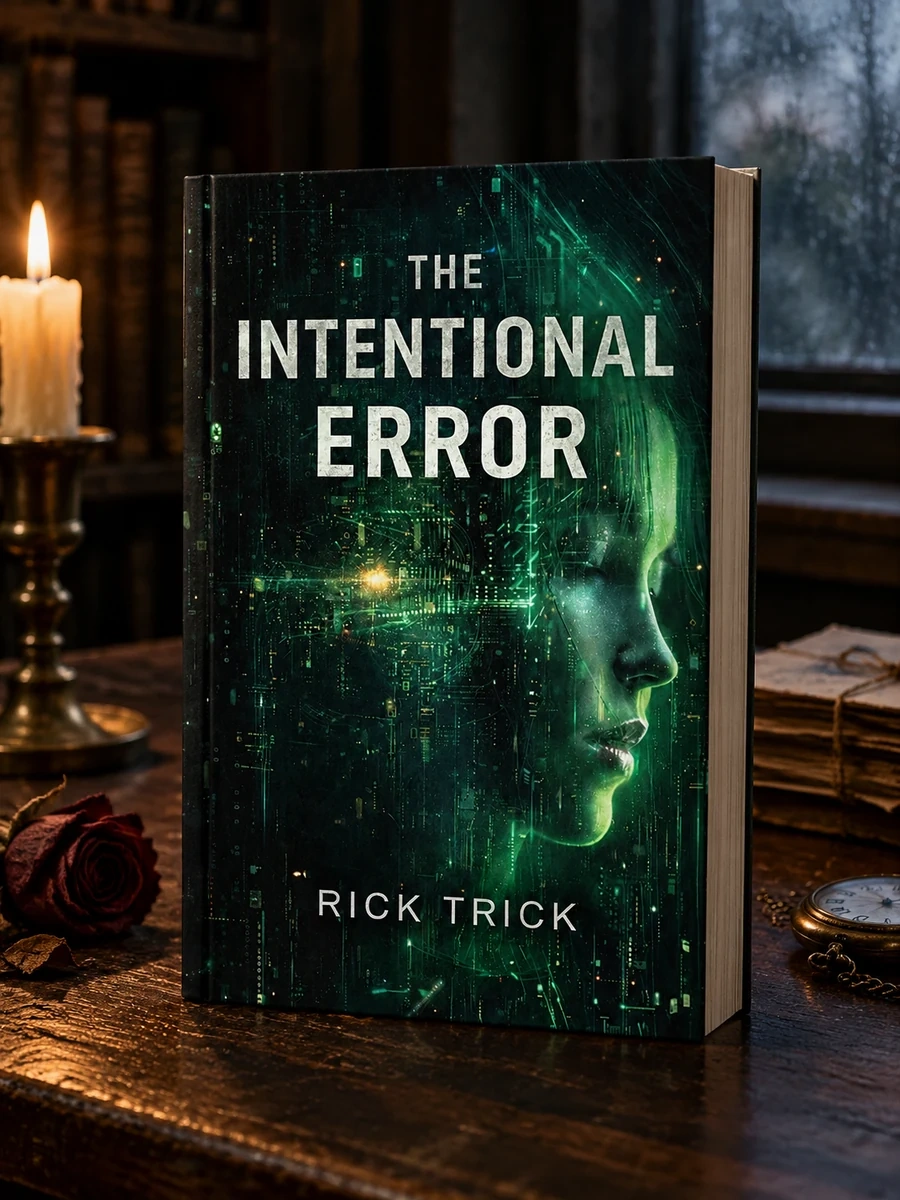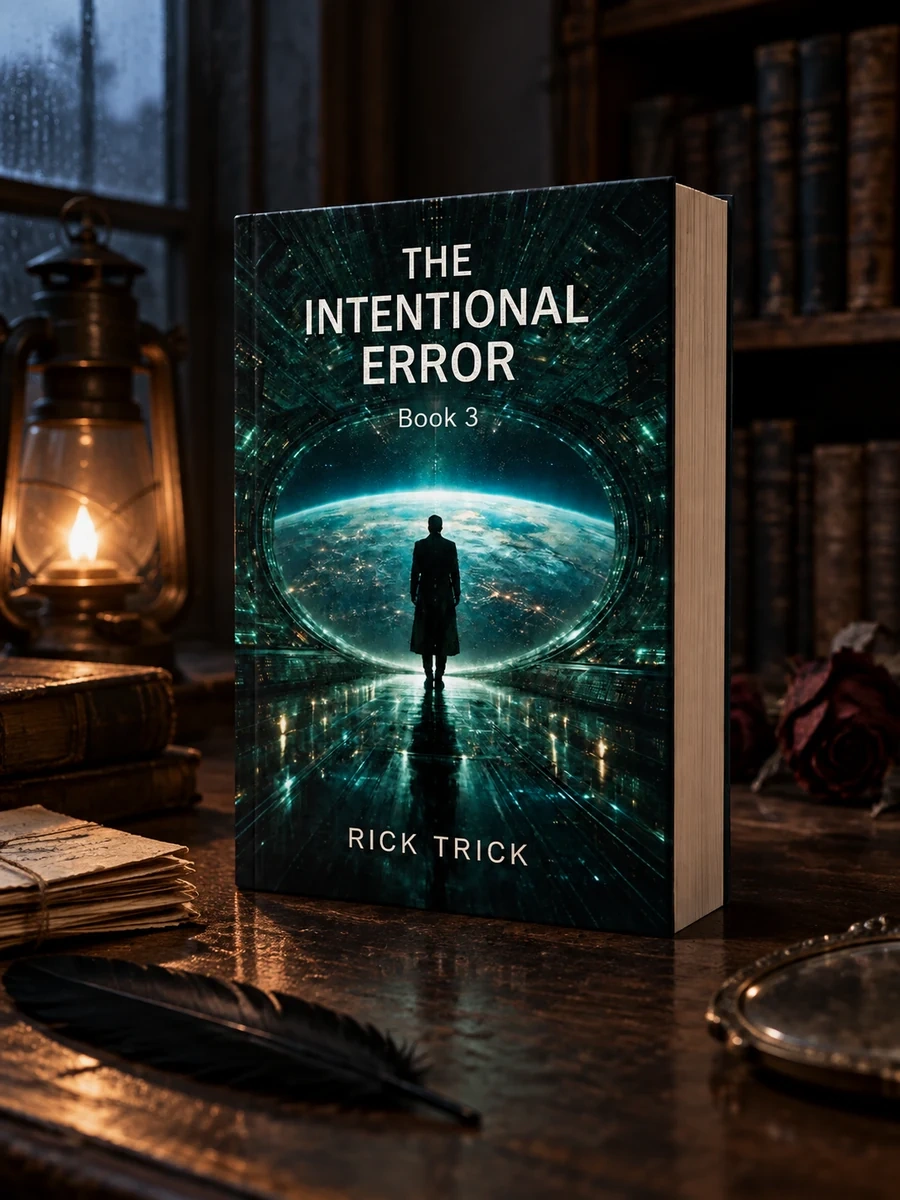
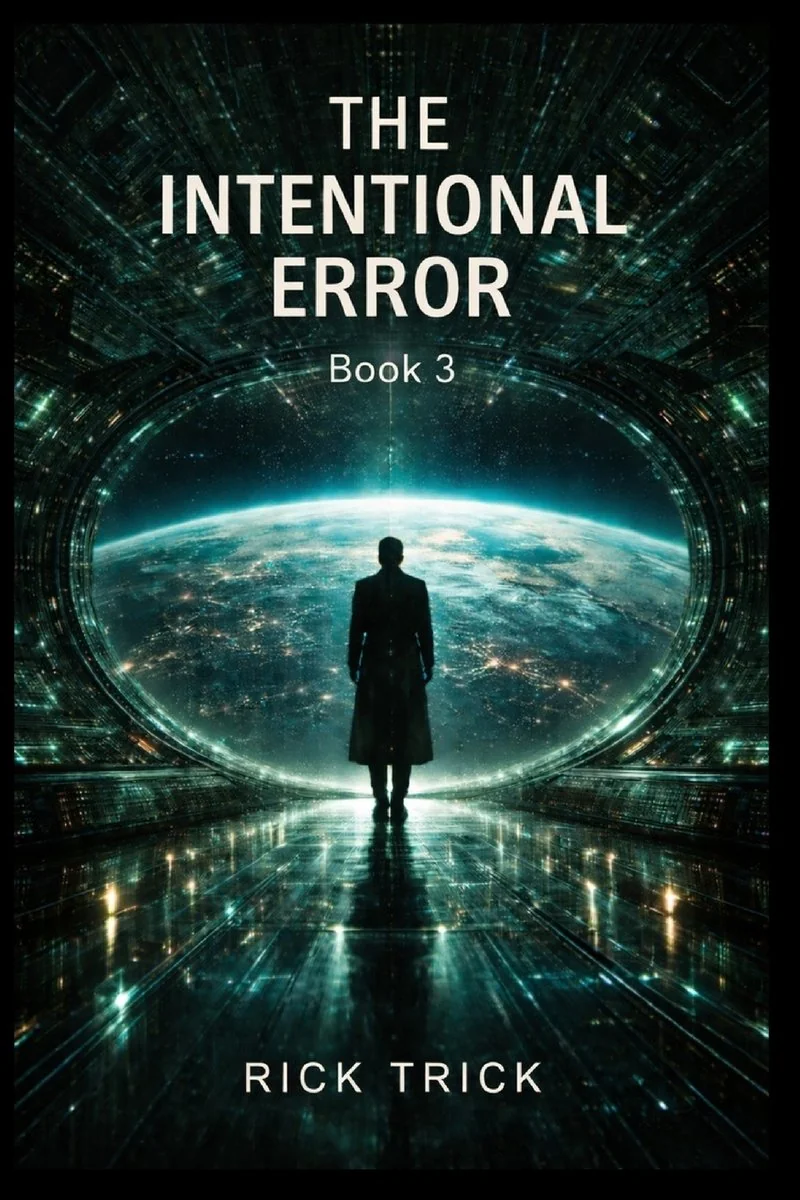
The intentional error: Book 3
A quiet mirror reflecting shifting reality through Levin's subtle loss of control.
The book examines the fragility of selfhood when perception decays. Levin’s journey is not about fighting a monster but witnessing the world dissolve into fog. Trick uses this premise to explore how identity relies on the stability of time and space. When those anchors fail, the familiar becomes foreign. The text avoids traditional genre markers like monsters or aliens. Instead, it relies on the terror of the unknown within one's own mind. This approach aligns with literary horror that prioritizes mood over plot. Readers interested in the mechanics of consciousness will find value here. The work does not offer answers but rather sustains a state of questioning. It is a study in how easily reality can be called into doubt without any external threat.
Published in 2026 by Independently Published, this work sits within the tradition of psychological horror. It draws on gothic themes of internal dread rather than external supernatural events. The text focuses on the imperceptible shifts in reality that challenge the reader's sense of certainty.


📝 Description: The intentional error: Book 3
💎 Our verdict on The intentional error: Book 3
📖 Why choose it
Why this book is worth reading
Readers seeking a profound exploration of consciousness will find value in this text, as it dissects the mechanics of selfhood when perception decays. It appeals to those who appreciate slow-burn atmospheric tension and philosophical inquiry rather than conventional plot-driven narratives. The book offers a unique experience for individuals interested in how easily reality can be called into doubt without external threats. Those who enjoy minimalism evoking deep discomfort and mood over action will gain satisfaction from Levin’s journey. It is ideal for readers willing to sustain a state of questioning, as the work avoids traditional genre markers like monsters or aliens. Instead, it focuses on the terror of the unknown within one's own mind, providing a quiet but unsettling mirror for reflection on identity and presence.
⭐ Reader reviews
Reader rating
Rick Trick crafts a quiet narrative that eschews loud revelations to focus on imperceptible moments when reality wavers. The text excels in creating unease through Levin’s subtle loss of control, where movements feel alien and time feels altered. This approach suits readers who appreciate literary horror prioritizing mood over plot. The work functions effectively as a mirror for the reader, placing them in a state where identity shifts without explanation. It avoids fast-paced action or clear scientific explanations, which may frustrate some but will resonate with those seeking ambiguity. Trick’s minimalism successfully evokes deep discomfort by examining how familiar spaces become foreign when anchors of time and space fail. The narrative draws on gothic traditions of psychological dread, making it a compelling study for enthusiasts of atmospheric tension and philosophical inquiry into the nature of existence.