

Ring of Fire
A grim eco-horror tale of San Diego under siege by angry Mother Nature.
The narrative follows thousands of people stuck in San Diego as the city becomes a death trap. Wildfires rage out of control while the water supply turns contaminated. Residents begin to turn feral, reflecting the breakdown of civilization. This occurs because humans have ravaged the planet for too long. Mother Nature decides to get her revenge on humanity for their actions. The story presents a scenario where the environment fights back against its abusers. It is a tale of retribution rather than survival in the traditional sense. The focus remains on the city's transformation from a beautiful place into a hostile zone.
Published by Deadite Press in 2018, this book sits within the tradition of socially conscious horror. It follows Agranoff’s previous works like The Vegan Revolution...With Zombies. The story uses San Diego as a setting to explore contemporary fears about environmental collapse and ecological justice.


📝 Description: Ring of Fire
💎 Our verdict on Ring of Fire
📖 Why choose it
Why this book is worth reading
Readers who gravitate toward grim eco-horror and apocalyptic fiction will find this narrative compelling for its unflinching depiction of environmental revenge. The book appeals to those interested in stories where nature is not a passive backdrop but an active, vengeful force driving the plot. It suits audiences seeking a tale of societal collapse and retribution rather than traditional survival narratives. Fans of psychological horror who enjoy watching civilization unravel under pressure will appreciate the focus on residents turning feral as the city becomes a death trap. This work offers a stark view of broken balance, ideal for those tired of stories where human ingenuity easily overcomes disaster. It provides a visceral experience of isolation and desperation within a besieged urban landscape.
⭐ Reader reviews
Reader rating
Agranoff delivers a potent eco-horror tale where San Diego transforms into a hostile zone through wildfires and contaminated water. The narrative excels in portraying the breakdown of civilization as residents turn feral, reflecting deep-seated anger from Mother Nature. This approach positions nature as an active antagonist, offering a refreshing twist on disaster fiction. The focus remains tightly on the city's transformation, emphasizing isolation over escape. It suits readers who enjoy ecological disaster tales with supernatural retribution rather than lighthearted escapism. The tone is appropriately grim and desperate, avoiding easy resolutions or heroic triumphs. This work stands out for its commitment to environmental consequences, presenting a stark, unyielding vision of nature's retaliation against exploitation.
📖 Read on the blog
✍️ More books by this author David Agranoff




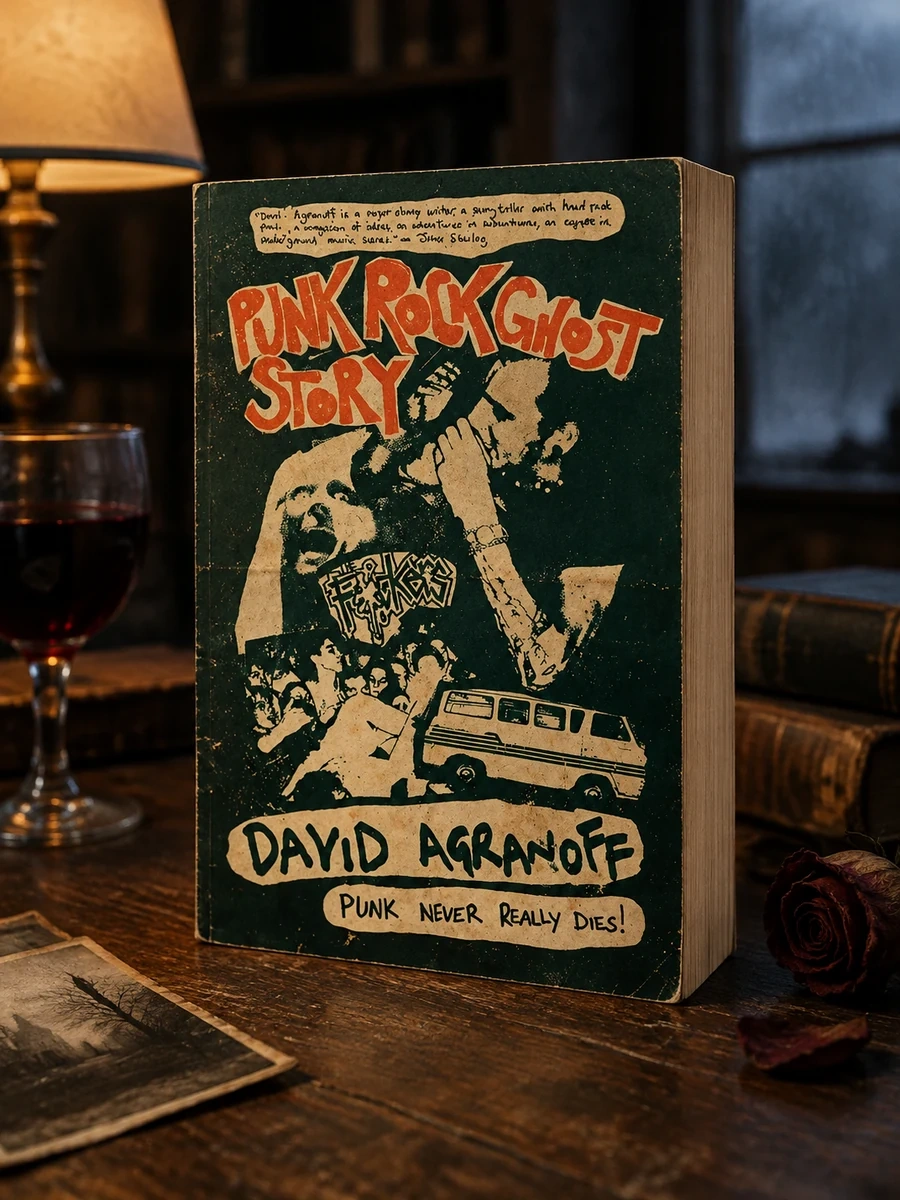


🏛 Books from this publisher Deadite Press





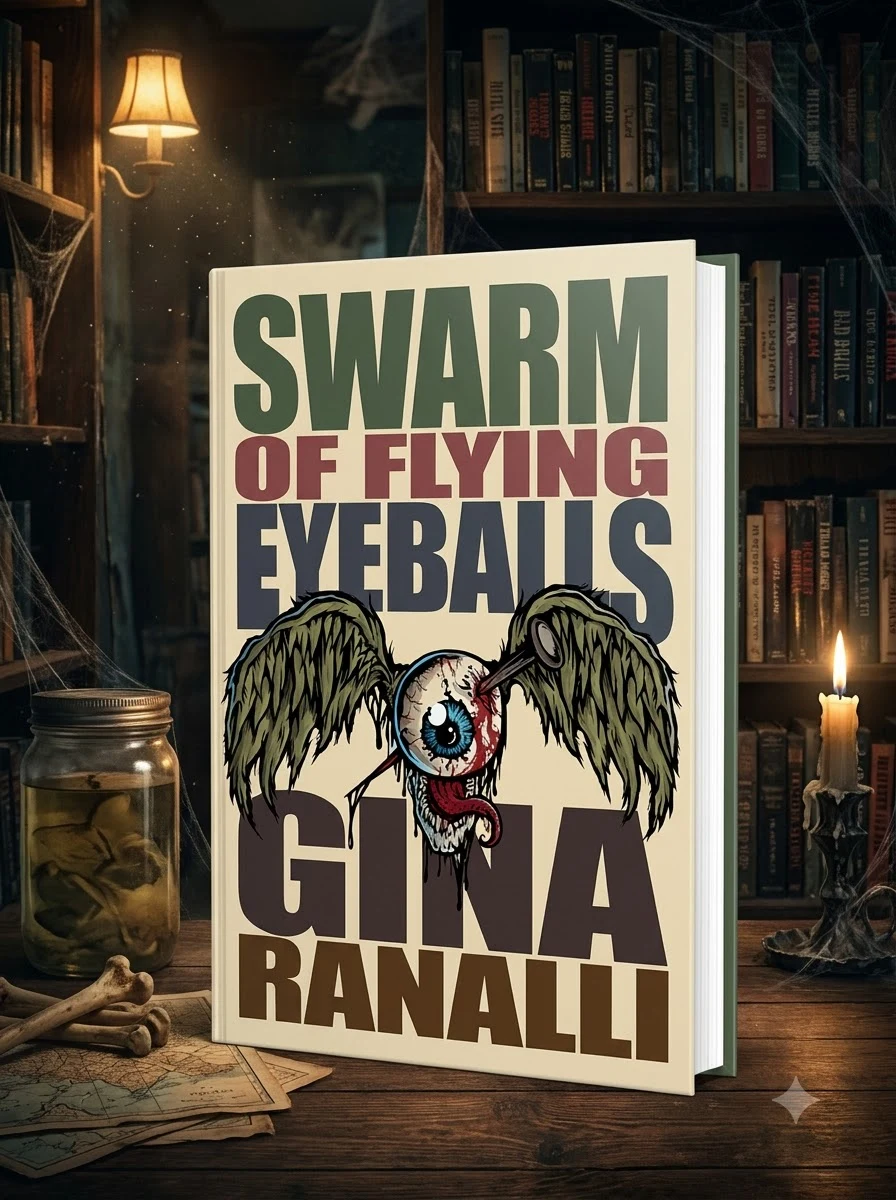
You might also like
See more →



Have a question about this item?
Ask about the edition, condition, delivery or anything else — we reply by email or phone, usually within a day.
