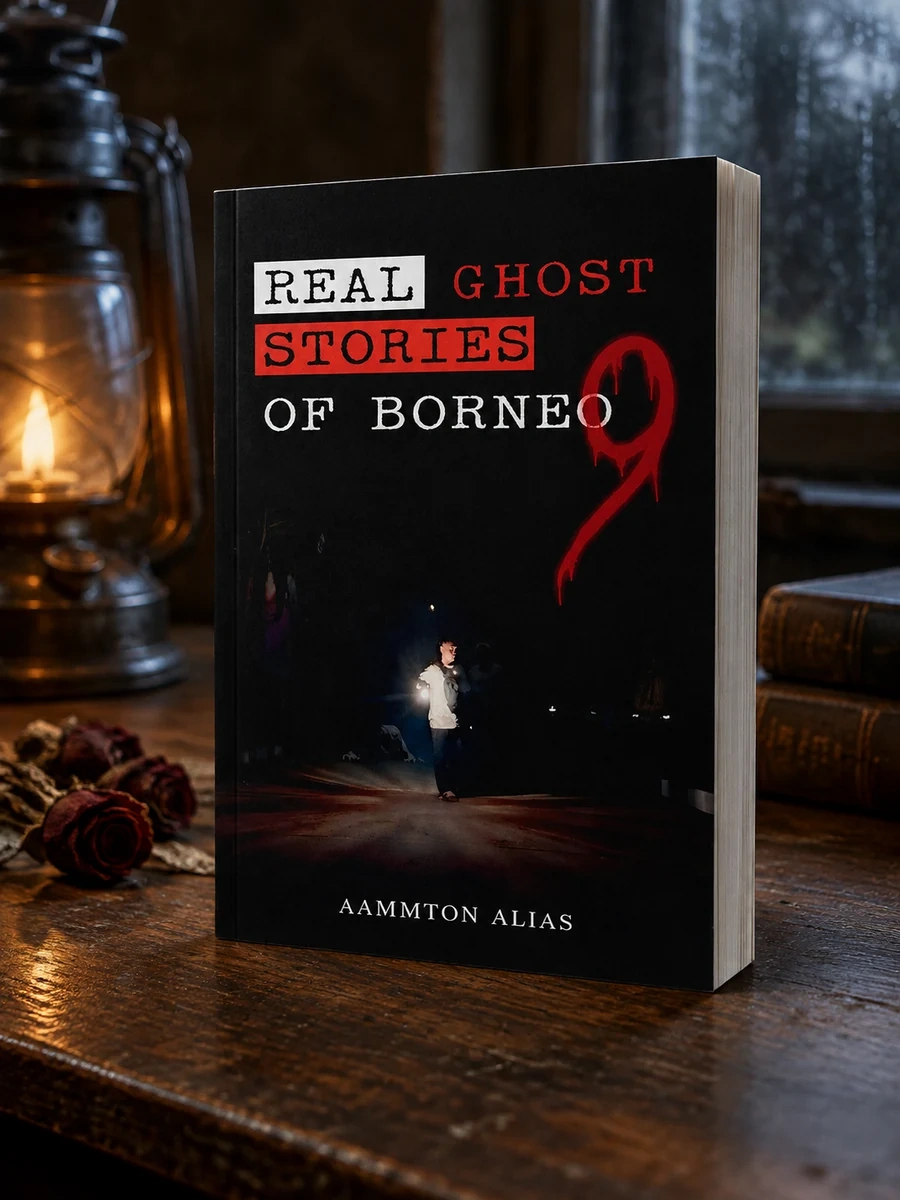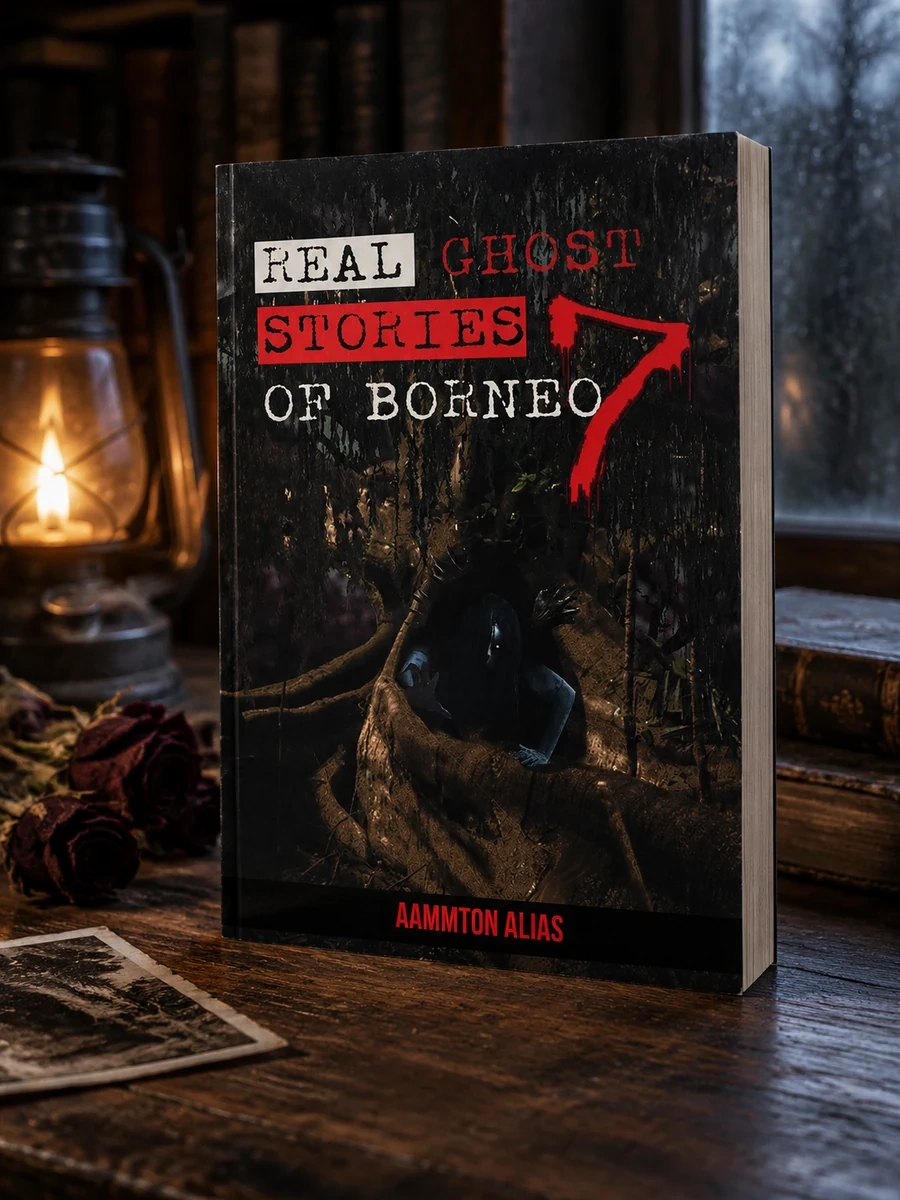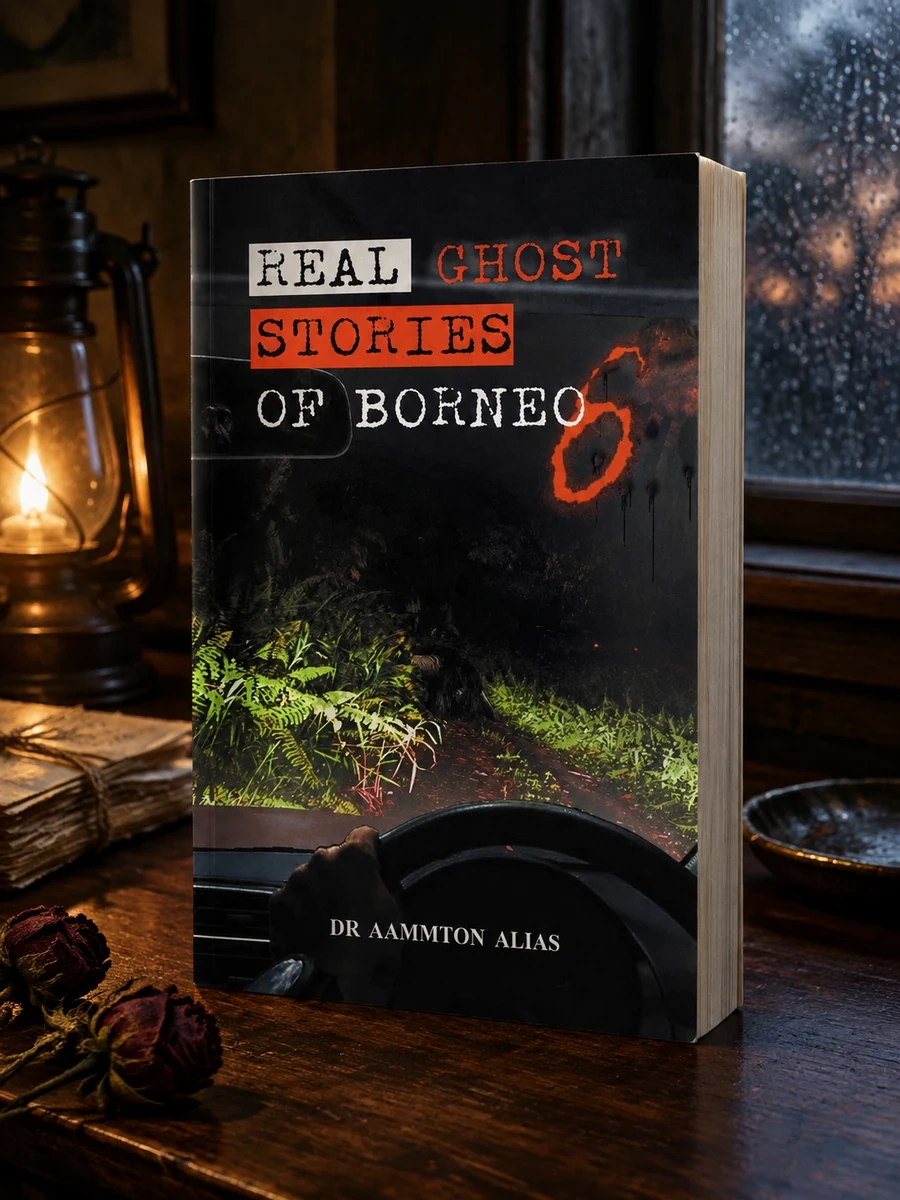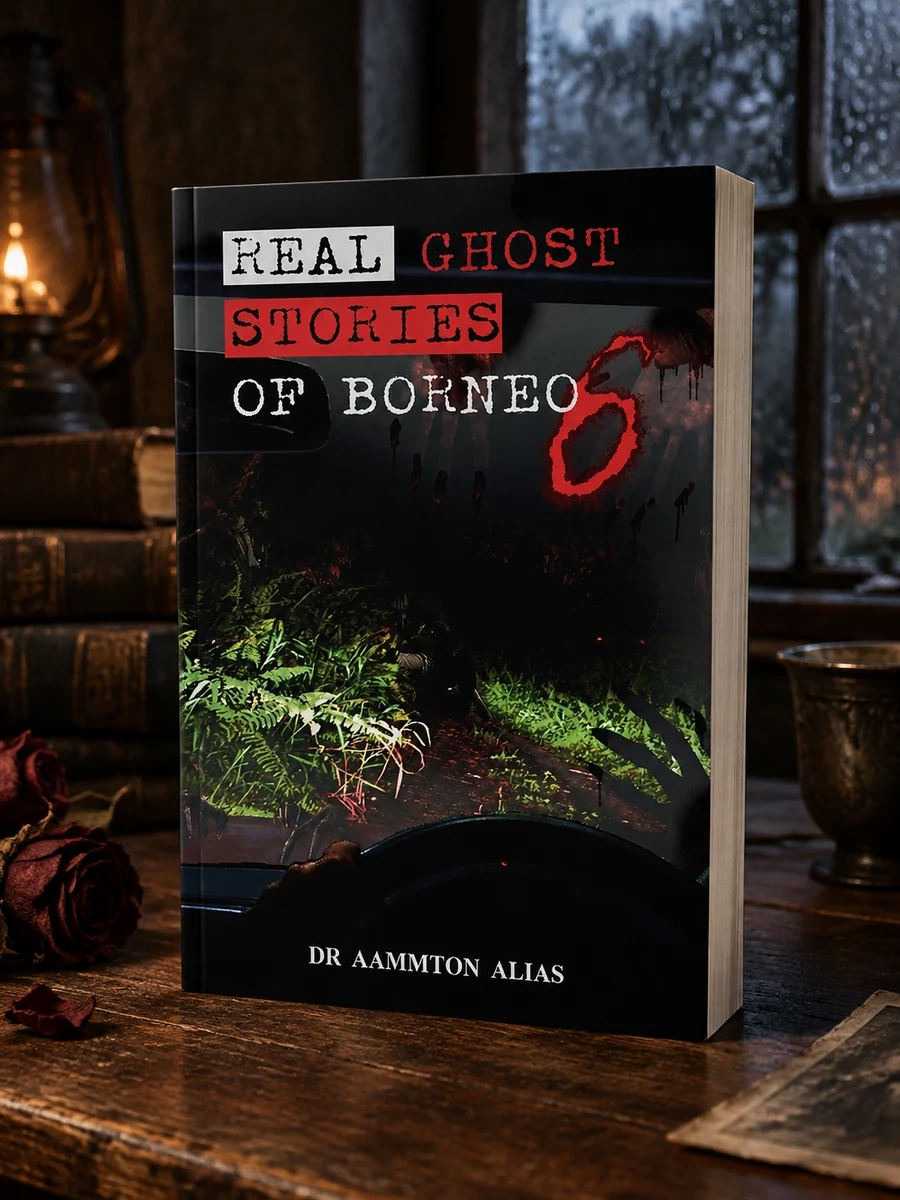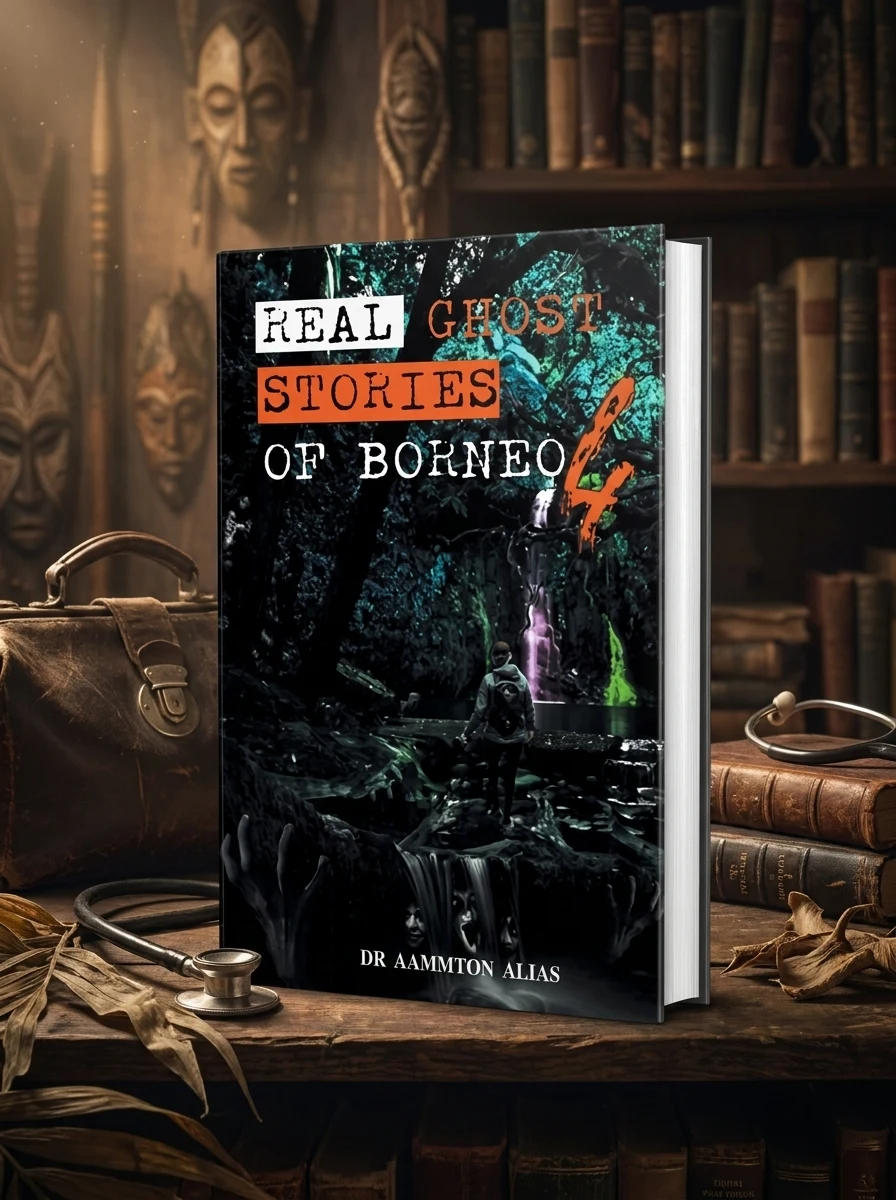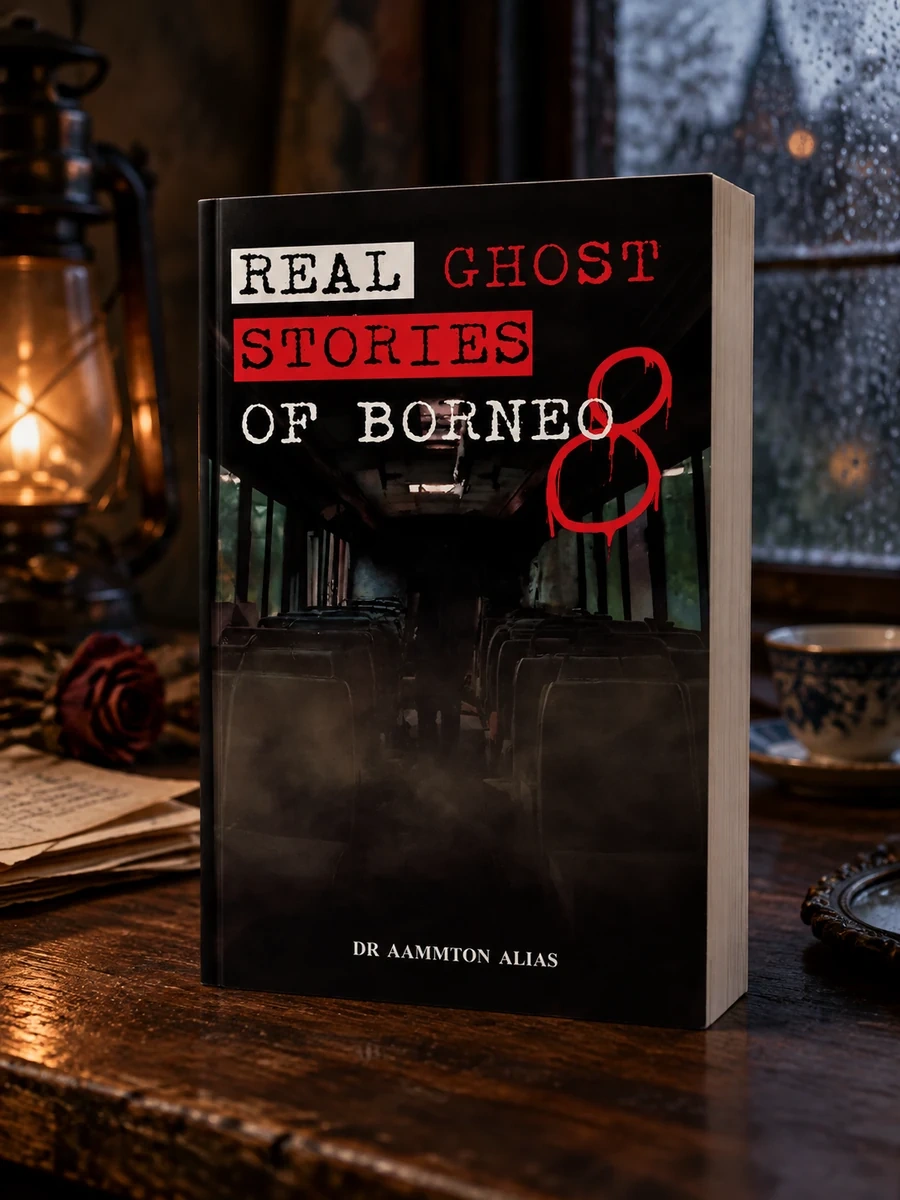
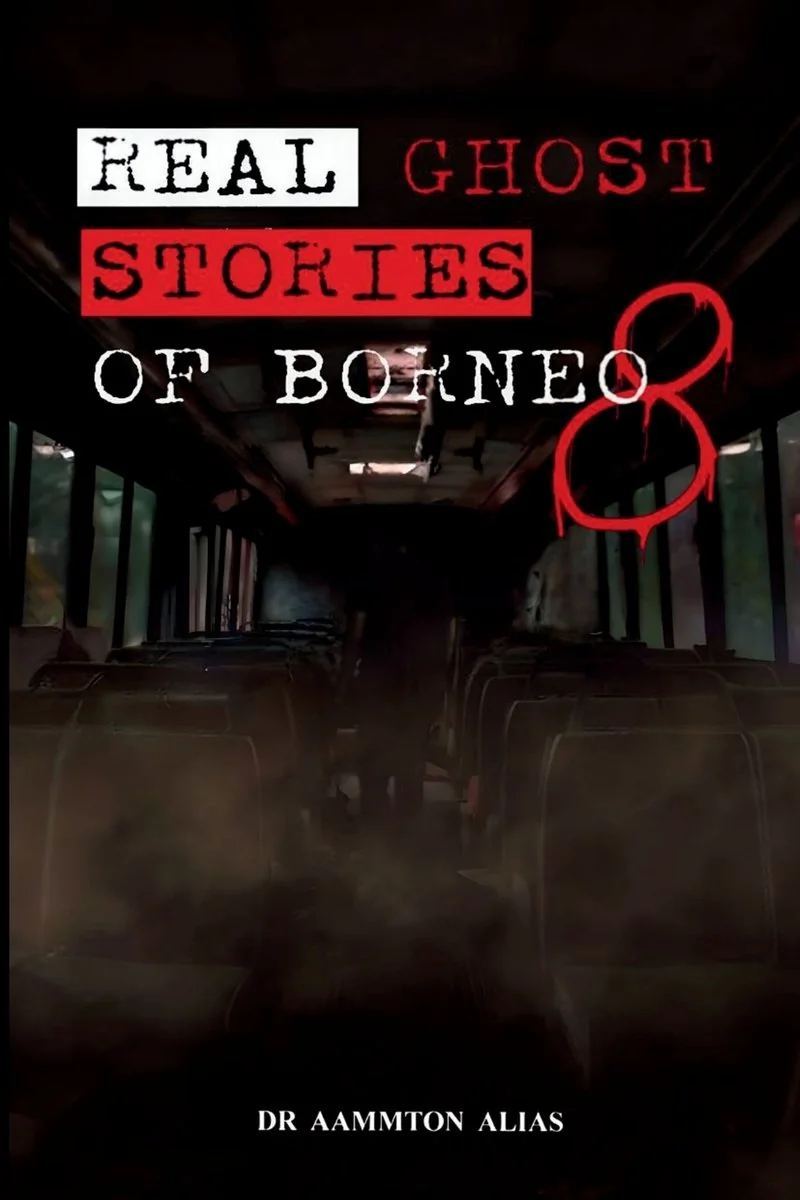
Real Ghost Stories of Borneo 8
A physician compiles real supernatural encounters from Borneo patients and local guests.
This eighth installment gathers actual ghost stories from the Borneo region. Alias uses his position as a family doctor to collect tales from those who seek his medical care. The book includes unique entries from distinguished guests like Ambassador Nahida Rahman Shumona and a local poet. Visual elements by artist Hadimages support the written accounts. The structure prioritizes the original sources of these supernatural claims, offering a direct line to the beliefs of the people living in that specific geographic area.
The book sits within the Real Ghost Stories of Borneo series. It draws on contemporary accounts from the local population and medical community in Borneo. The inclusion of a former ambassador highlights cross-cultural perspectives within Southeast Asia.


📝 Description: Real Ghost Stories of Borneo 8
💎 Our verdict on Real Ghost Stories of Borneo 8
📖 Why choose it
Why this book is worth reading
This volume offers a unique perspective for readers interested in the intersection of medicine and the supernatural. By framing ghost stories as patient testimonies, it provides an authentic glimpse into the fears and cultural beliefs of Borneo’s inhabitants. The inclusion of contributions from distinguished guests and local artists adds depth, presenting the horror not as fiction but as lived experience. It is ideal for those who appreciate raw, unpolished narratives that prioritize atmosphere and regional specificity over literary polish. Readers seeking to understand the cultural landscape through its reported spiritual encounters will find value in this direct line to local beliefs.
⭐ Reader reviews
Reader rating
Alias successfully grounds supernatural horror in the reality of medical practice, creating a compelling narrative framework for Borneo’s ghost stories. The use of patient testimonies and guest contributions provides a diverse array of voices, enhancing the book's authenticity. While it lacks the polished structure of traditional literary fiction, its strength lies in its raw presentation of regional folklore. The commissioned illustrations add visual weight to the textual accounts, supporting the eerie tone. This collection is best suited for enthusiasts of cosmic and psychological horror who value cultural context and anecdotal evidence over complex plotting. It stands as a significant artifact of local spiritual belief systems.