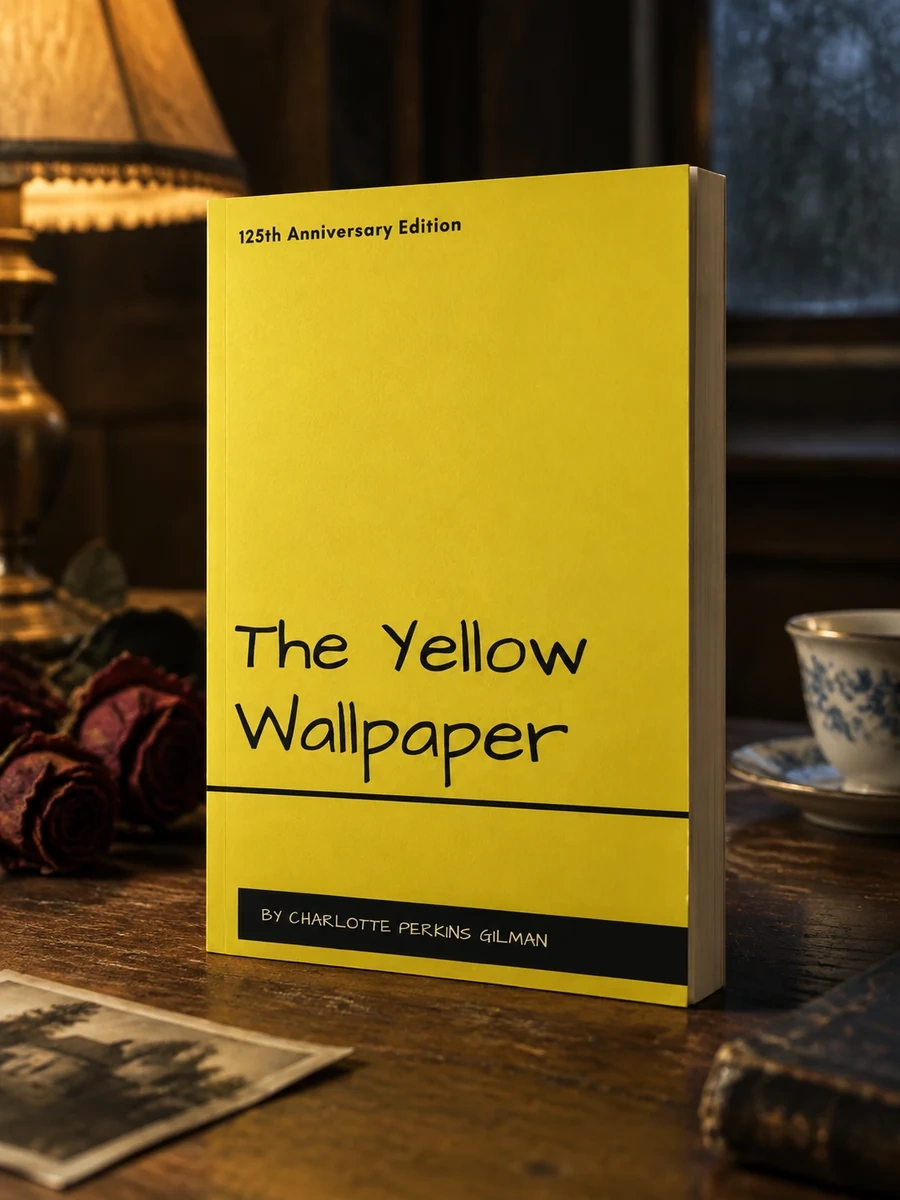
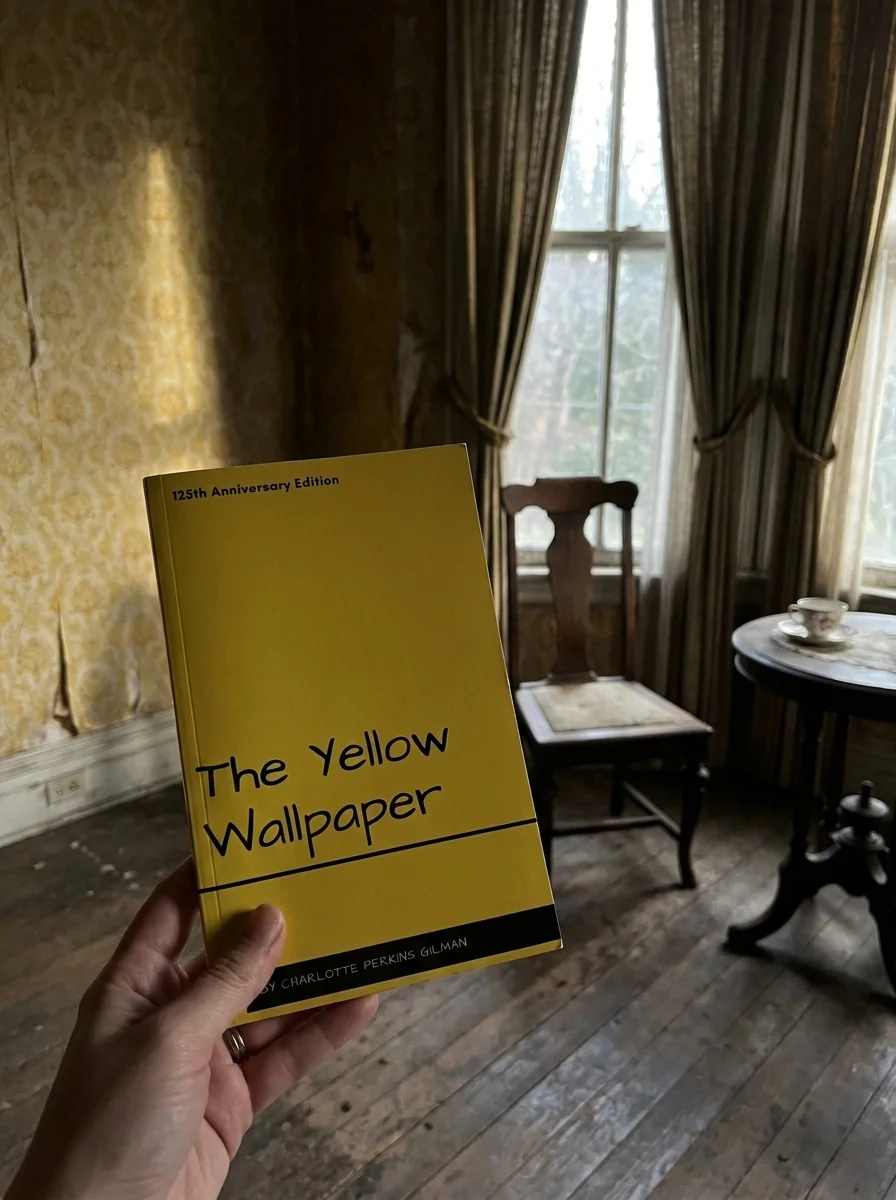
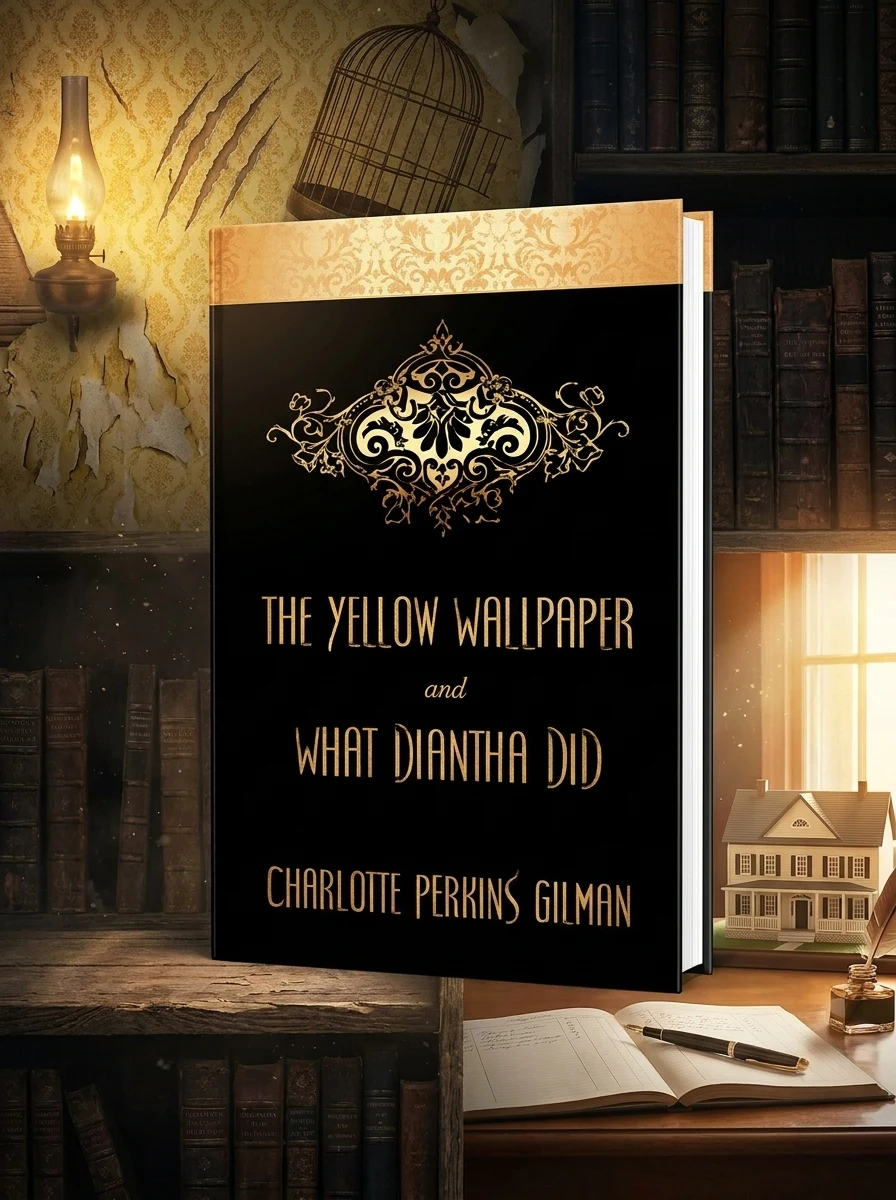
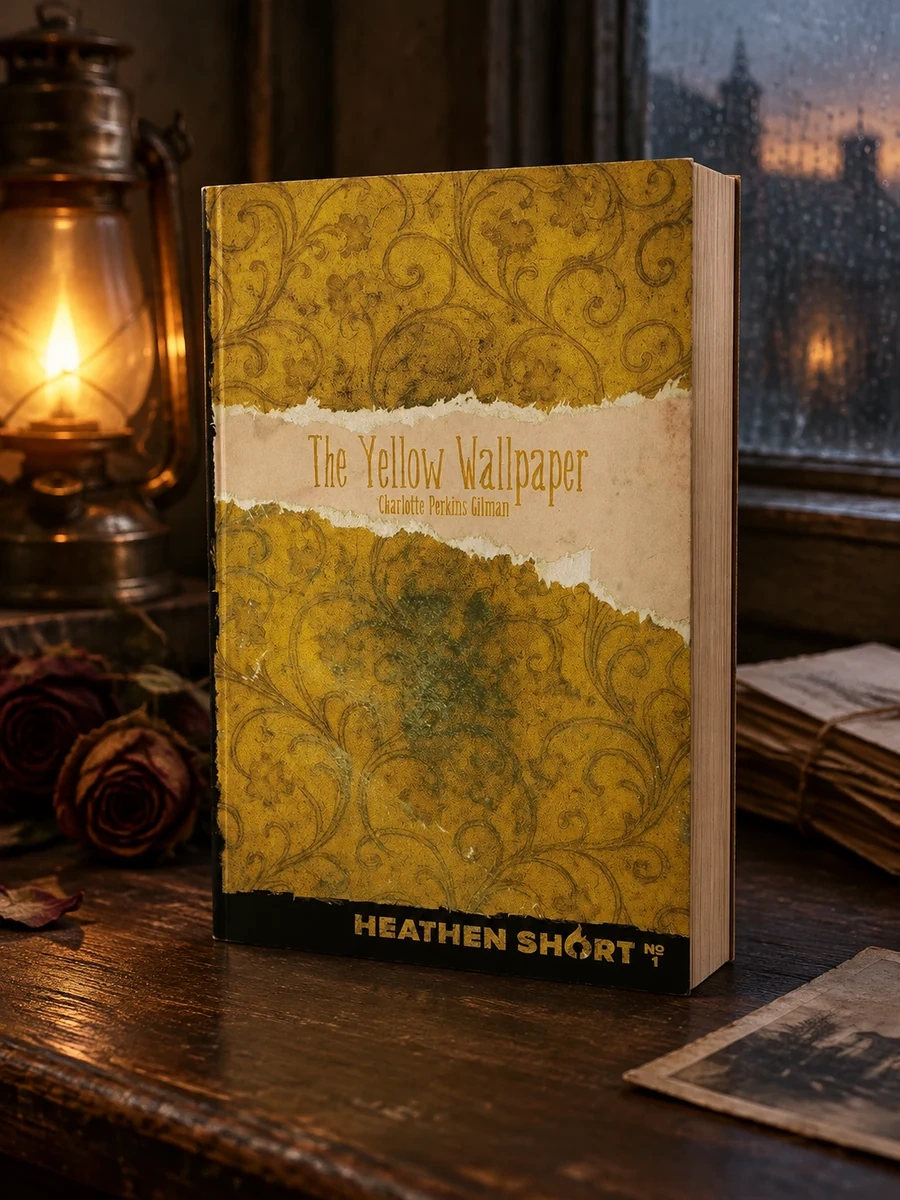
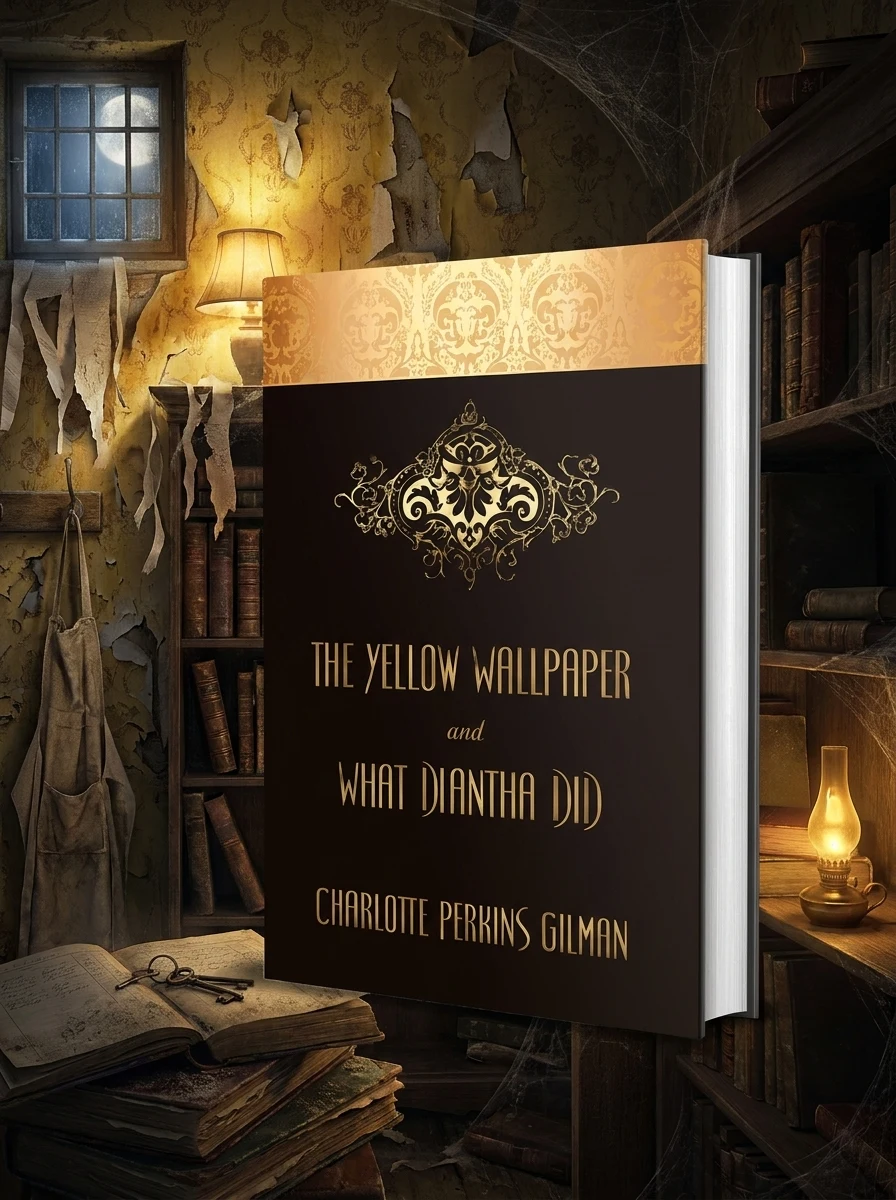
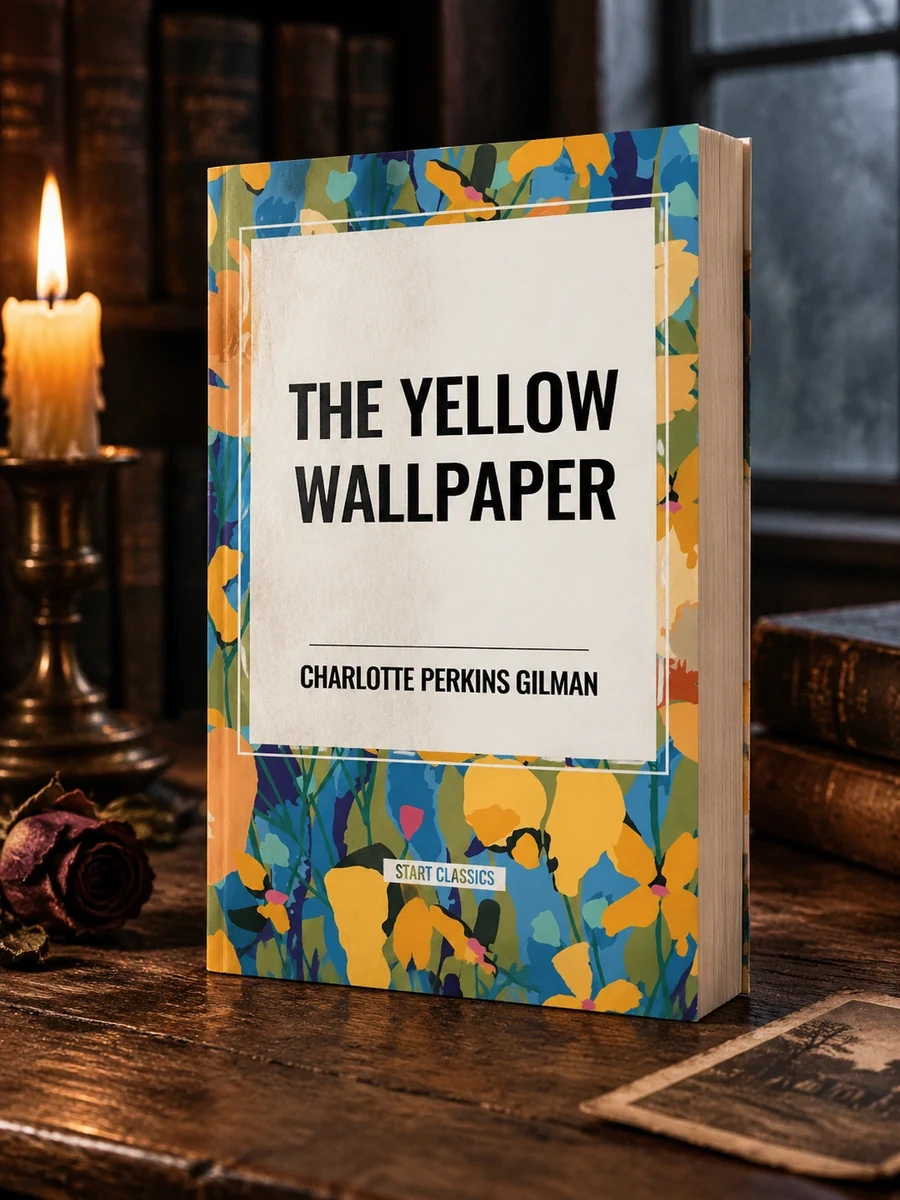
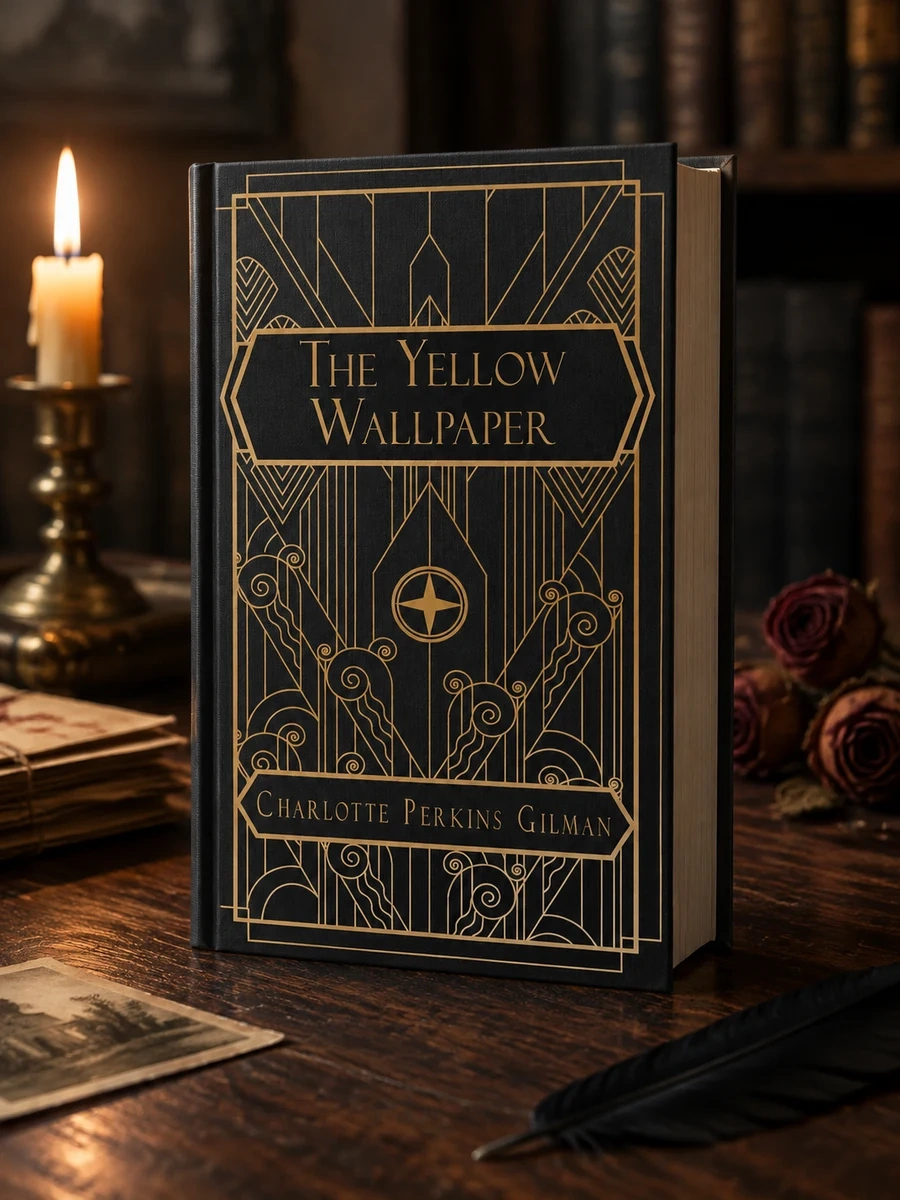
The Yellow Wallpaper
A Victorian woman's descent into madness within a room covered in yellow wallpaper.
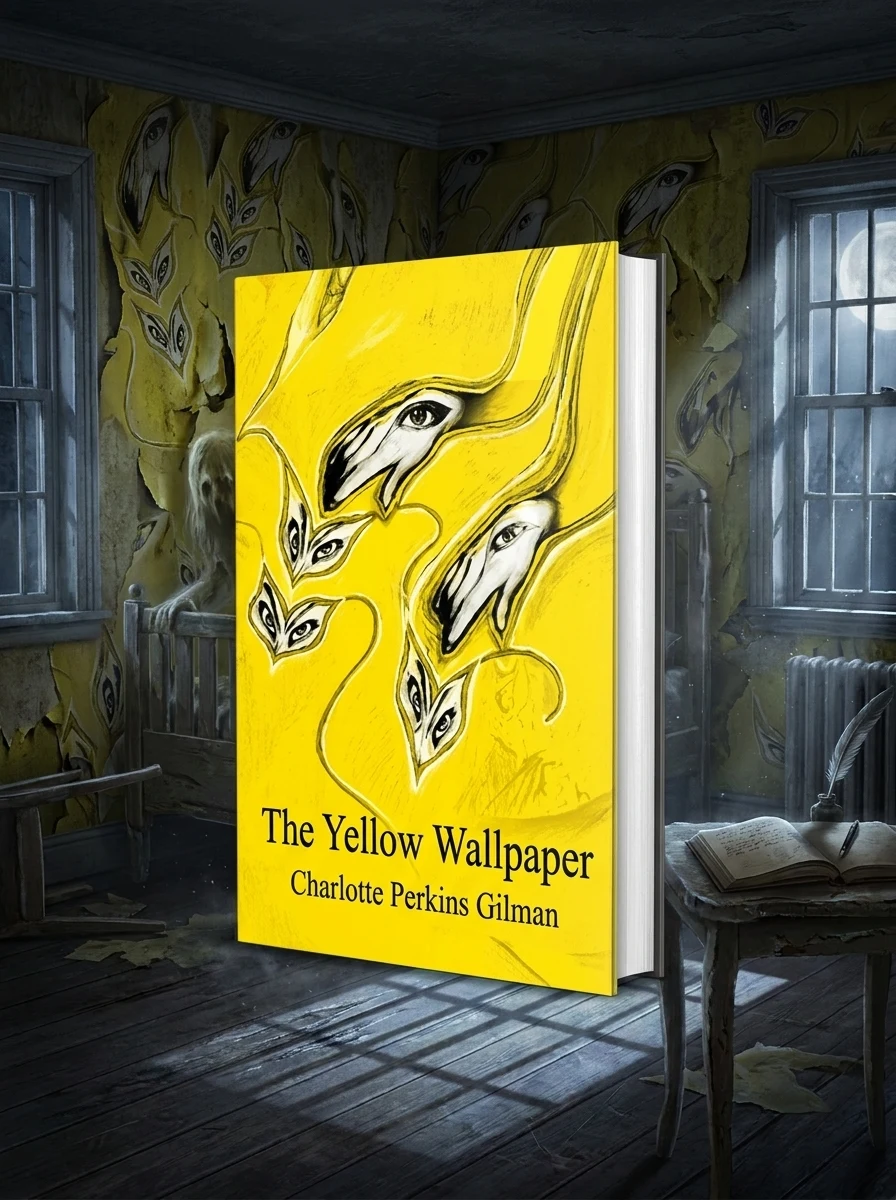
Gilman writes about a woman whose mental state deteriorates under the watch of her husband. They reside in an old colonial house where she is confined to a single room. The yellow wallpaper becomes an obsession, reflecting her fracturing psyche. This story critiques the rest cure and the medical establishment's handling of female patients during the Victorian period. It highlights the dangers of enforced idleness and social isolation.
The text emerges from the Victorian era, a period marked by strict social codes regarding gender and mental health. Gilman critiques the medical establishment's rest cure, reflecting late nineteenth century anxieties about women's roles in domestic spaces and the limitations placed on female autonomy.


📝 Description: The Yellow Wallpaper
💎 Our verdict on The Yellow Wallpaper
📖 Why choose it
Why this book is worth reading
Readers interested in historical critiques of gender roles and medical history will find significant value in this narrative. It offers a chilling observation of societal neglect, focusing on the intersection of domestic confinement and psychological deterioration. Those who appreciate literary analysis and deep character study over fast-paced plotting will gain much from the protagonist's internal experience. The work highlights the dangers of social isolation and the fracturing psyche under oppressive circumstances. It is essential for audiences seeking to understand the rest cure and its impact on female patients during this period, providing a stark look at how enforced idleness affects the human mind.
⭐ Reader reviews
Reader rating
Gilman masterfully employs the gothic tradition to explore psychological horror through internal experience rather than external events. The narrative tightly focuses on the protagonist’s perspective, using the oppressive yellow wallpaper as a symbol of her fracturing psyche. This approach creates a claustrophobic atmosphere that effectively critiques late nineteenth-century medical establishments. The book suits readers who value literary depth and historical context over traditional adventure or supernatural thrills. While it offers no happy endings, its chilling observation of societal neglect remains powerful. It is an ideal choice for those interested in the dangers of enforced isolation and the treatment of women’s mental health, delivering a profound and unsettling critique of its era.
📖 Read on the blog
✍️ More books by this author Charlotte Perkins Gilman
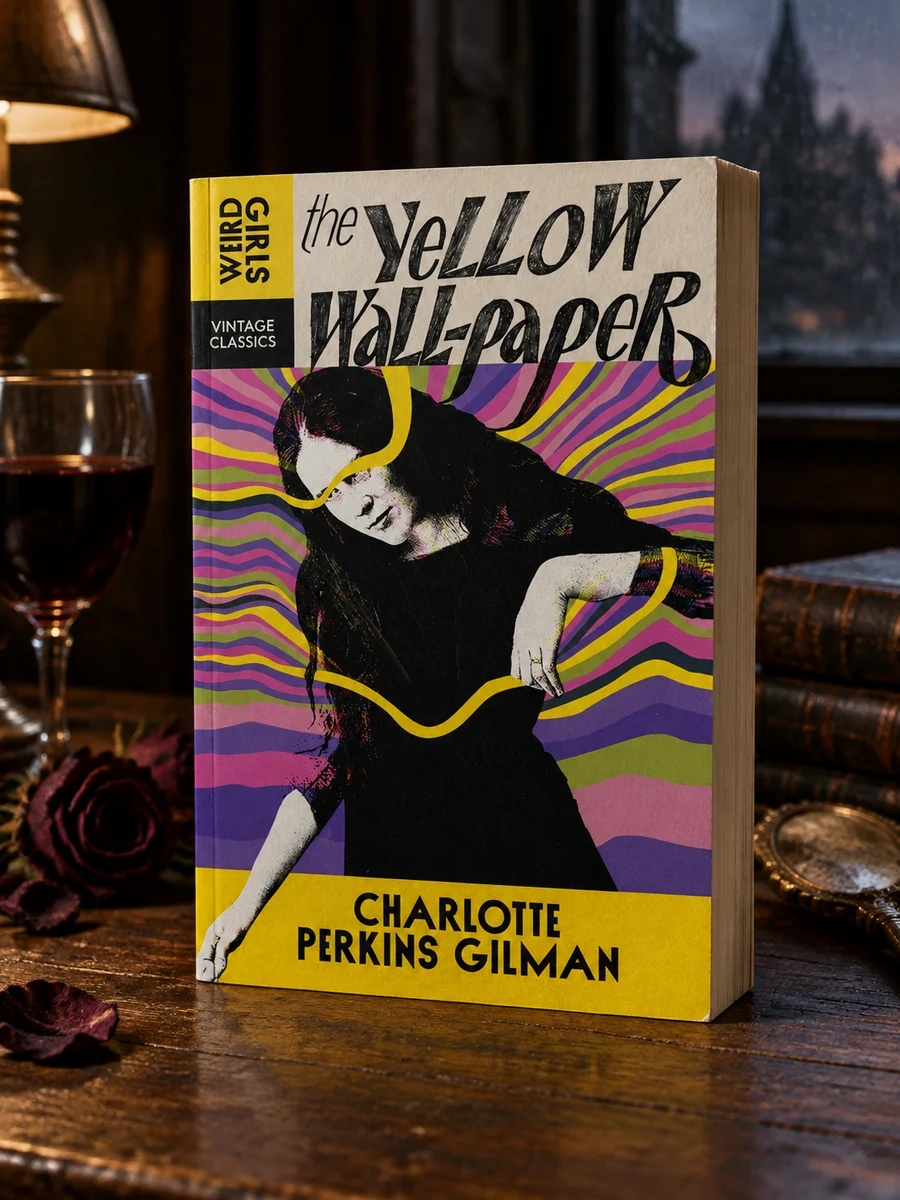


🏛 Books from this publisher Lulu.com



You might also like
See more →

Have a question about this item?
Ask about the edition, condition, delivery or anything else — we reply by email or phone, usually within a day.
