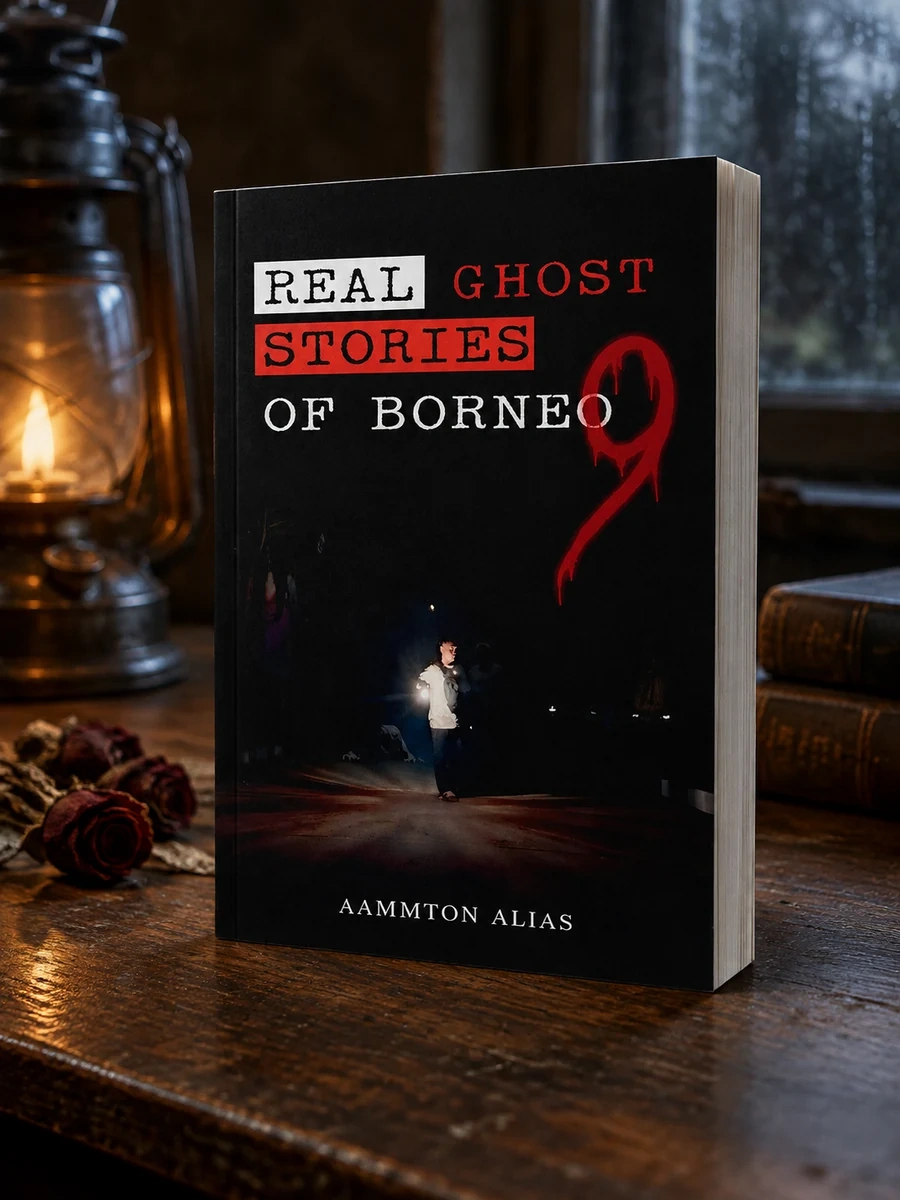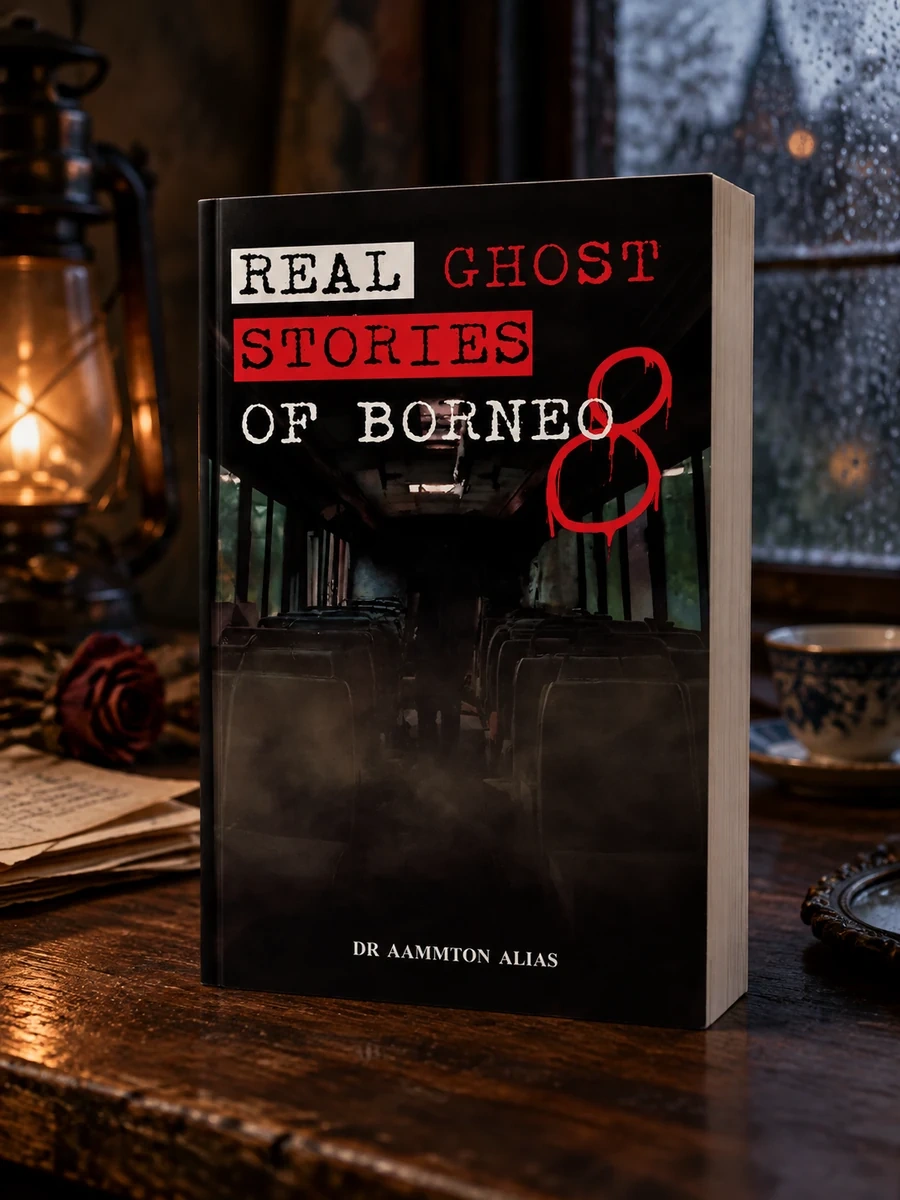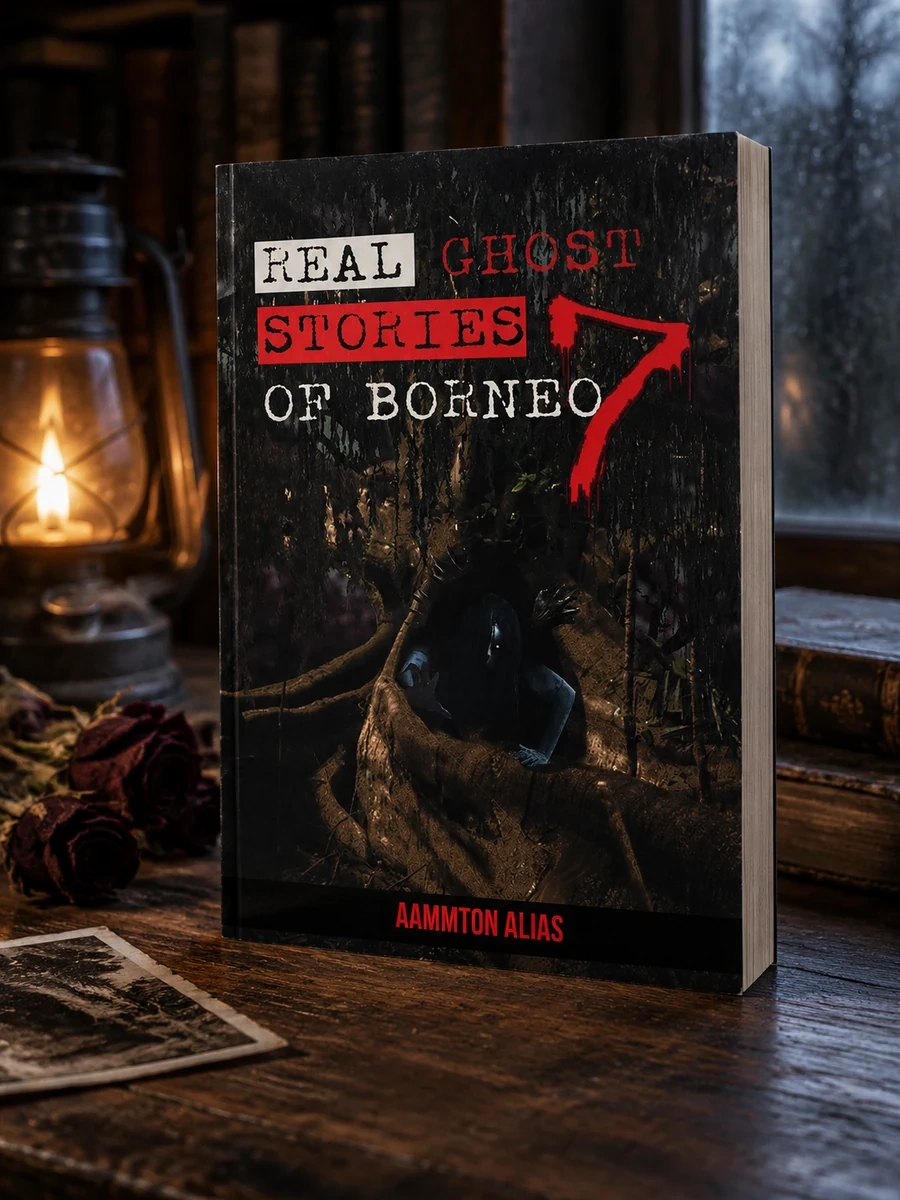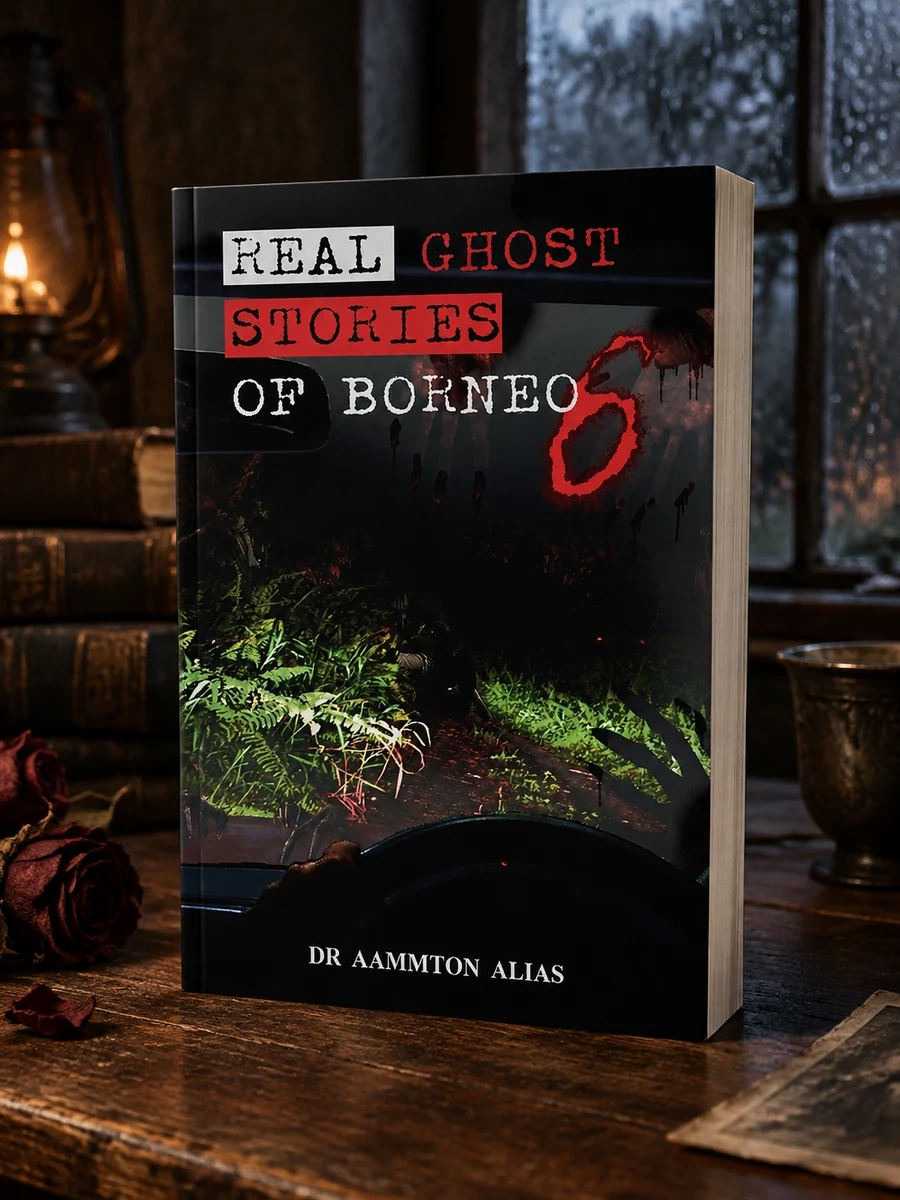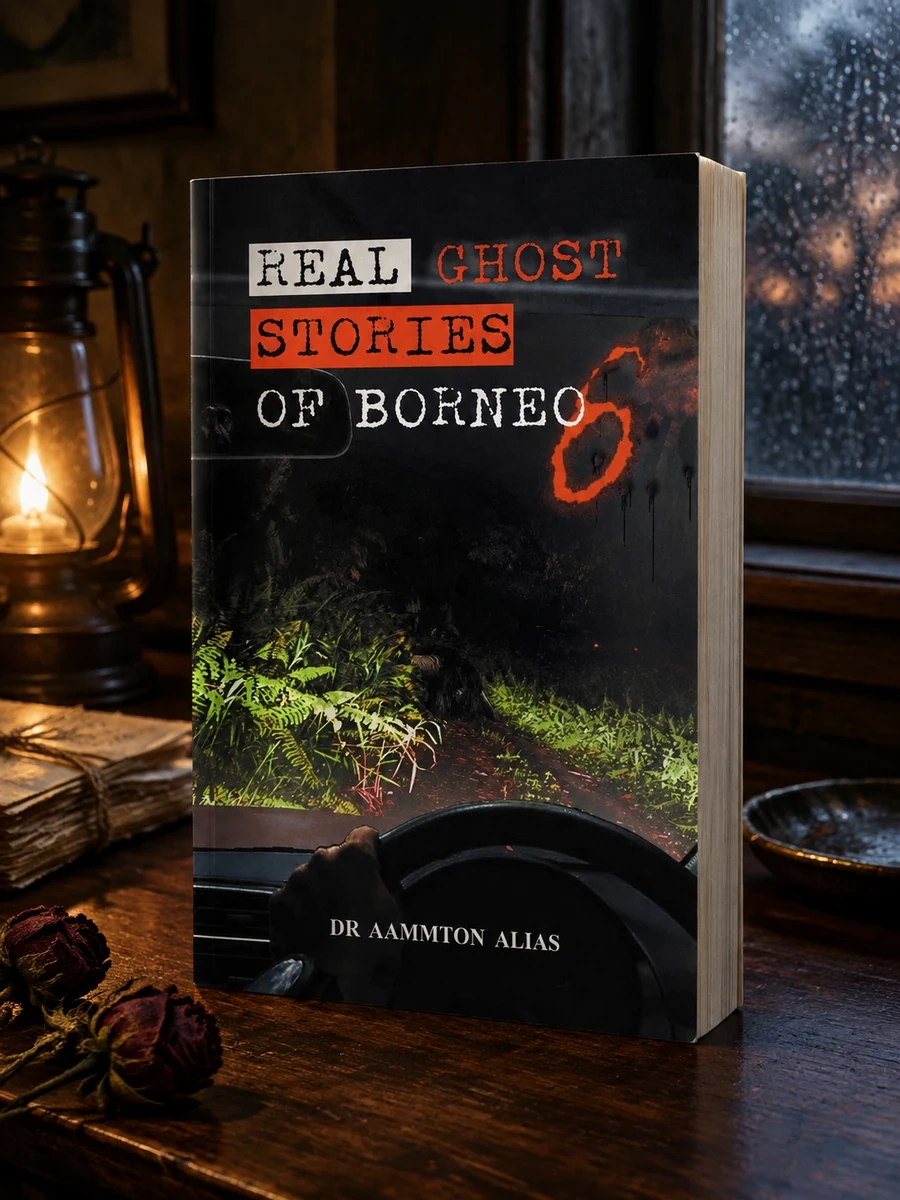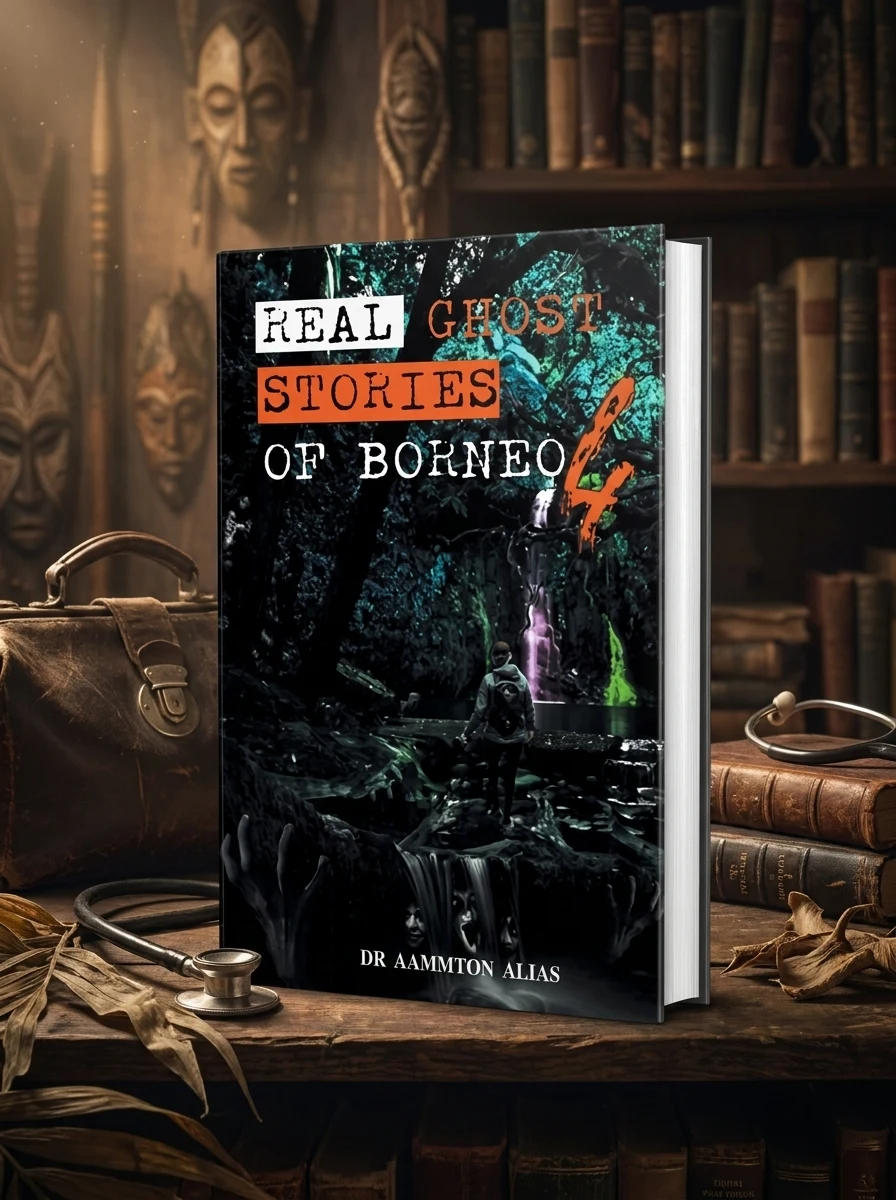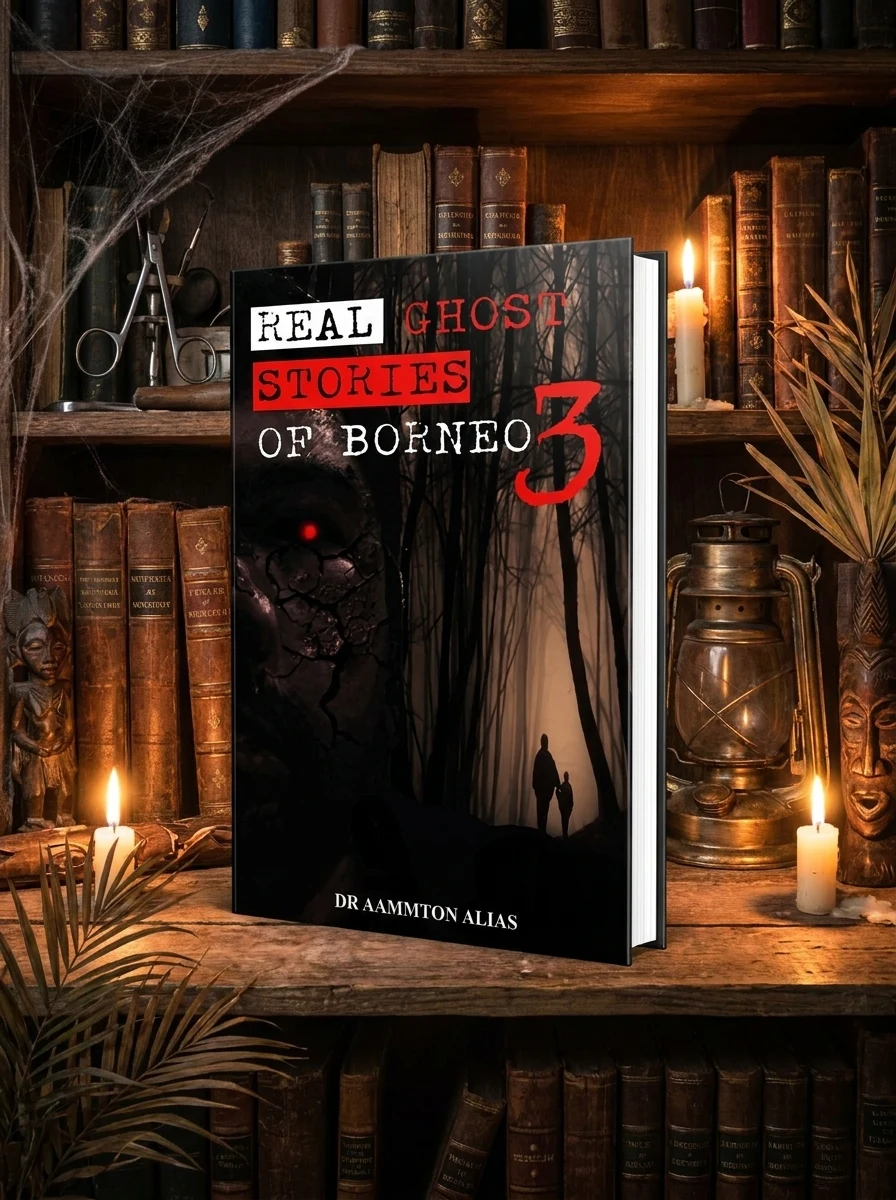

Real Ghost Stories of Borneo 3
A physician compiles real supernatural accounts from Borneo patients.
This volume continues the series by gathering actual ghost stories from the Borneo region. Alias, who works as a family doctor, collects these tales from his patients and neighbors. The content focuses on personal experiences of the supernatural rather than invented plots. The book offers insight into local beliefs and what troubles the population spiritually. It serves as a direct record of encounters shared by people living in the area.
The stories originate from Borneo, drawn from the daily lives and medical consultations of the local population. The author works as a family physician there, collecting these tales directly from patients and community members who share their experiences with him.


📝 Description: Real Ghost Stories of Borneo 3
💎 Our verdict on Real Ghost Stories of Borneo 3
📖 Why choose it
Why this book is worth reading
Readers seeking authentic, unvarnished accounts of the paranormal will find this collection particularly compelling. It appeals to those interested in the intersection of medical practice and supernatural belief, offering a unique glimpse into how spiritual concerns manifest in daily life within Borneo. The book is ideal for enthusiasts of non-fiction horror who prefer firsthand reports over invented fiction. Those fascinated by regional folklore and the specific cultural context of Southeast Asian ghost stories will appreciate the direct recording of local encounters. It serves as a valuable resource for understanding the actual spiritual troubles of the population, grounded in real patient experiences rather than speculative narrative.
⭐ Reader reviews
Reader rating
Aammton Alias delivers a raw, unpolished collection of supernatural encounters recorded directly from Borneo residents. The strength lies in its authenticity, framing ghost stories through the perspective of a family physician. This medical lens provides a distinct view on how spiritual ailments intersect with physical health in the region. The tone is documentary rather than literary, prioritizing factual reporting over artistic flair. It suits readers who value genuine testimony and regional specificity in horror literature. Those seeking polished prose or complex plot structures may find the straightforward nature less engaging. However, for fans of true paranormal cases and cultural anthropology, this volume offers a fascinating, grounded look at local beliefs and reported hauntings without fictional embellishment.