Postal
A thriller about a scheme granting thirteen people the legal right to kill one person each month.
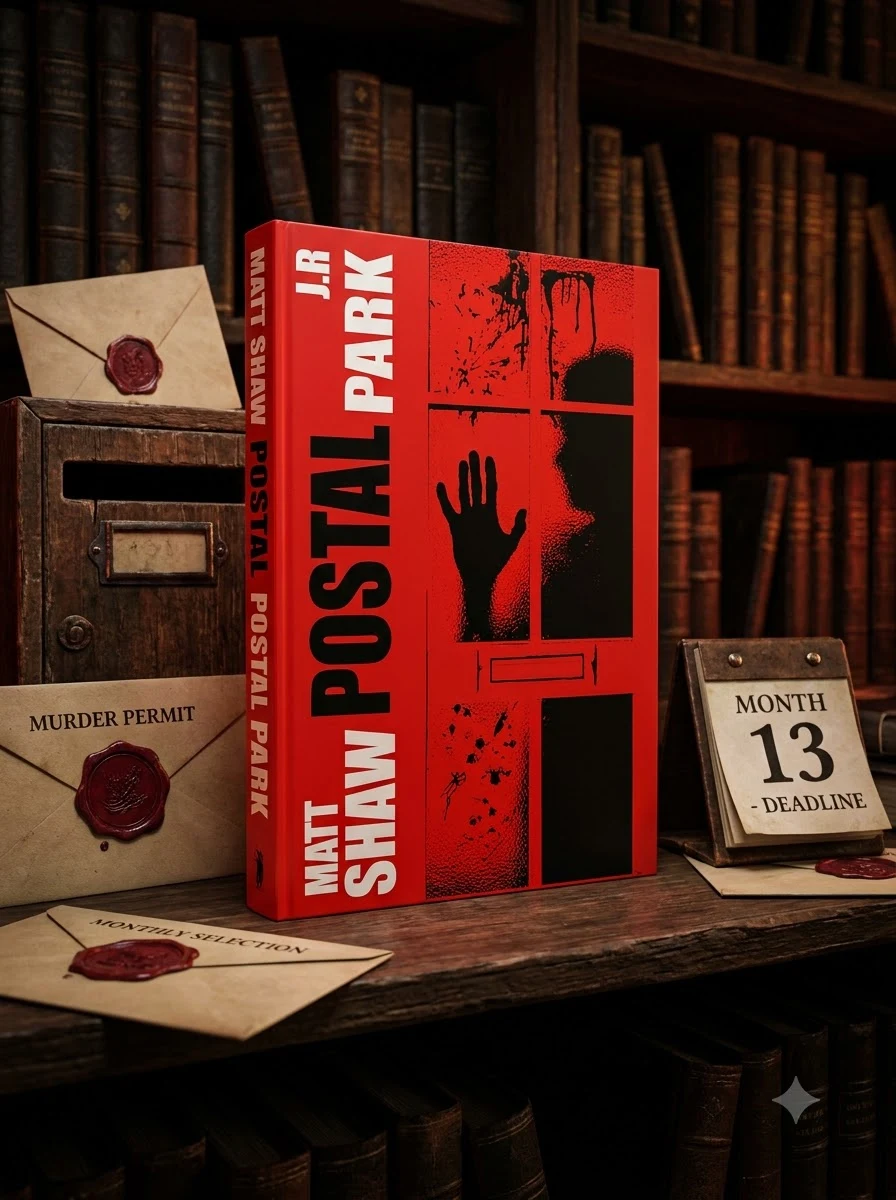
The narrative follows a bold initiative where an inspirational leader sends letters to thirteen people monthly. Each recipient receives the lawful right to kill one person without consequence. The target is often someone making their life harder. This setup creates a tense atmosphere of anticipation and dread. Park’s writing style is described as uncompromising and savage by Shaun Hutson. DLS Reviews highlights the gritty pulp nature of the work. The story examines the psychological impact of having absolute power over another's life. It does not offer easy answers or moral comfort. The focus remains on the immediate, brutal reality of the murder permission granted to the selected few.
This work sits within the tradition of supernatural and gothic fiction. It utilizes the framework of a lethal social experiment. The text is published by Createspace Independent Publishing Platform. It appeals to readers who enjoy uncompromising narratives about power and violence.


📝 Description: Postal
💎 Our verdict on Postal
📖 Why choose it
Why this book is worth reading
Readers seeking unflinching examinations of human nature under the weight of absolute power will find this narrative compelling. It appeals to those who enjoy tense, atmospheric horror that avoids moral comfort or easy answers. The book offers a raw, savage look at psychological decay and the burden of lethal authority. Fans of gritty pulp fiction appreciate its uncompromising approach to violence and morality. It is ideal for audiences who prefer stark, brutal storytelling over gentle resolutions. The premise provides a unique lens on how ordinary people might fracture when granted unaccountable control over life and death.
⭐ Reader reviews
Reader rating
Postal delivers a tense, atmospheric exploration of a sinister social experiment where recipients gain lawful permission to murder without consequence. J R Park’s uncompromising style creates a palpable sense of dread as characters grapple with the psychological burden of absolute power. The narrative effectively examines moral decay within a gritty pulp framework, drawing on gothic and psychological horror traditions. It suits readers who appreciate raw, savage storytelling that challenges conventional morality. The focus remains on the immediate, brutal reality of the lethal lottery rather than hopeful resolutions. This volume stands as a stark examination of human nature, offering intense, dark fiction for those willing to confront uncomfortable truths about power and violence.