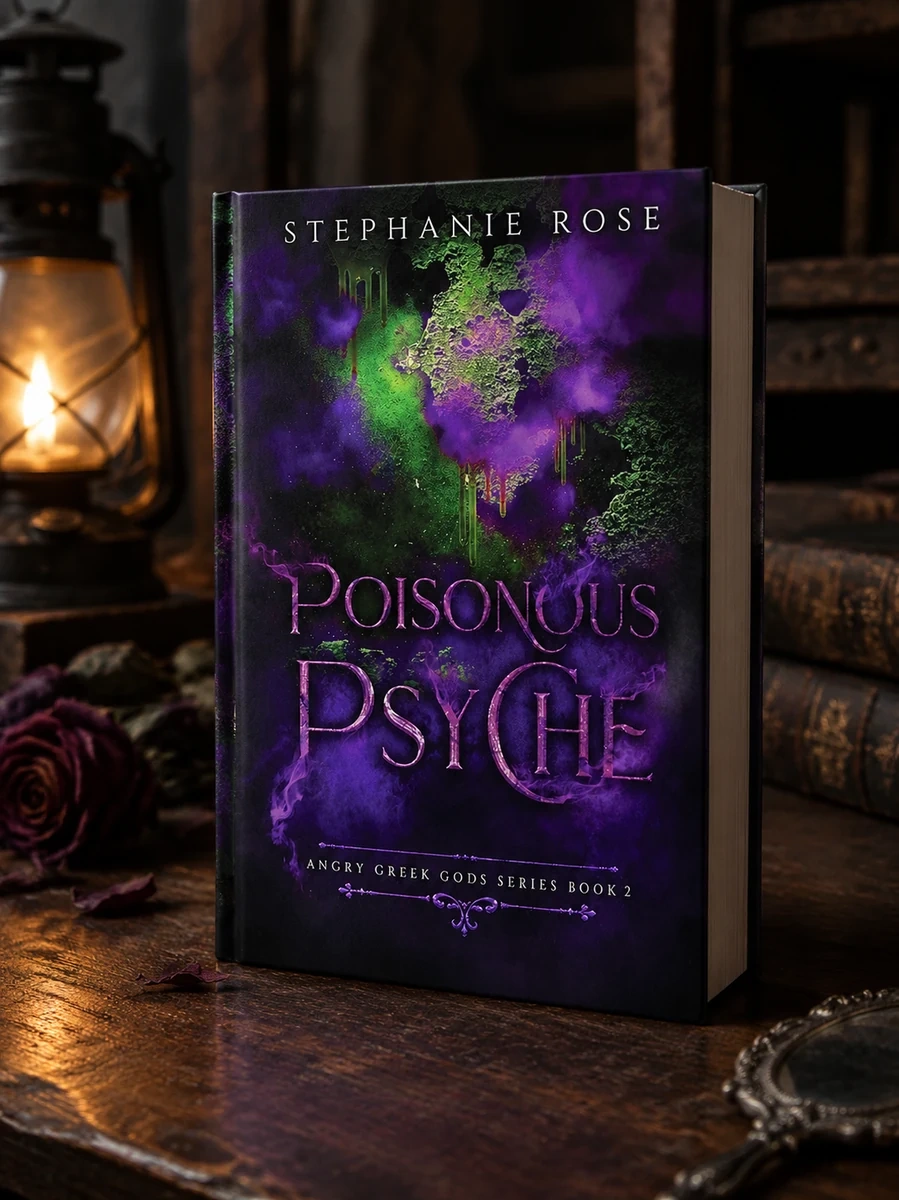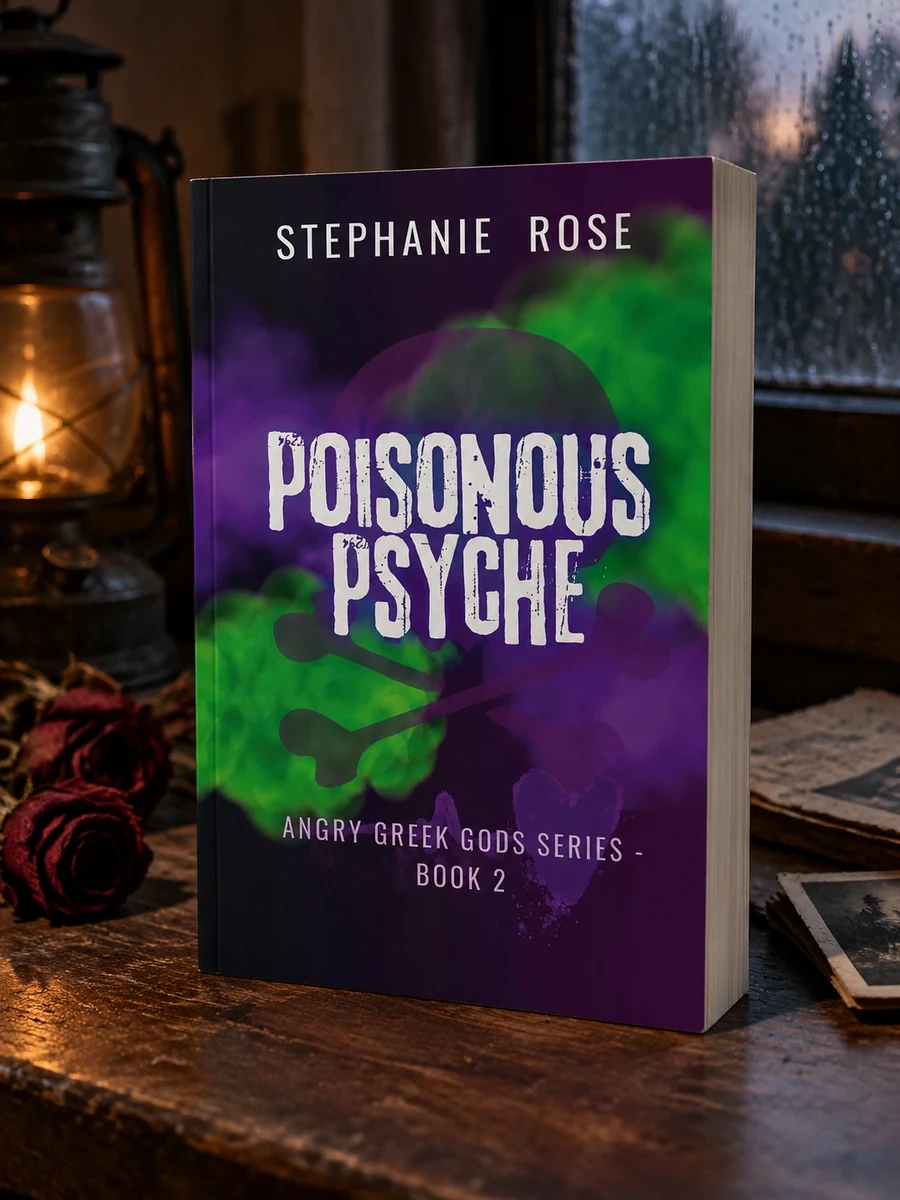
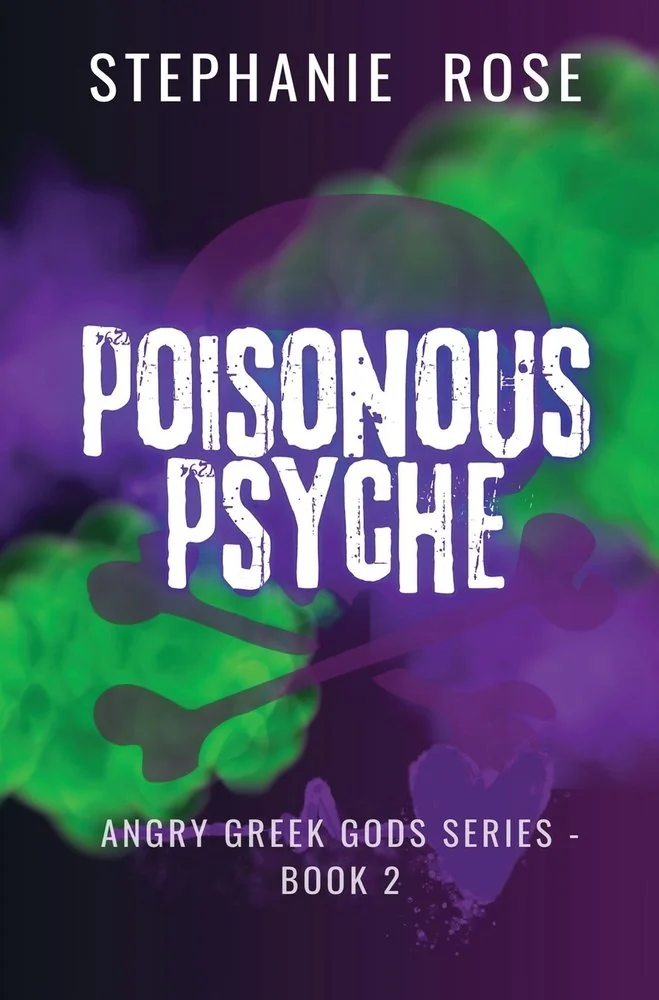
Poisonous Psyche
A mythological retelling of Psyche's disappearance and its toxic consequences.
This work examines the aftermath of a divine family fracturing. It details how Psyche, once a mortal now elevated to goddess status, vanishes alongside her daughter. The narrative does not focus on their journey but rather on the ripple effects of their absence. Toxic fumes spread across the earth, harming mortals and gods alike. Rose investigates the psychological state of the missing mother. The text explores the whispers that drive her actions and the confusion left behind for Eros and others. It is a study of grief manifesting as environmental hazard. The author uses classical sources to frame this modern emotional crisis. Readers looking for character-driven drama within a supernatural setting will appreciate this approach.
The book draws on Greek mythology, specifically the traditions surrounding Eros and Psyche. It reimagines the domestic life of deities on Olympus. The narrative blends classical legend with contemporary psychological horror elements.


📝 Description: Poisonous Psyche
💎 Our verdict on Poisonous Psyche
📖 Why choose it
Why this book is worth reading
Readers who appreciate character-driven drama within supernatural settings will find value in this introspective exploration of grief and loss. The narrative offers a unique perspective on the aftermath of divine fracturing, focusing on the ripple effects rather than the journey itself. Those interested in how classical sources can frame modern emotional turmoil will engage with the study of Psyche’s psychological state. It is ideal for audiences seeking mythological reinterpretations that delve into toxic consequences and maternal love without providing straightforward adventure or historical non-fiction elements.
⭐ Reader reviews
Reader rating
Stephanie Rose delivers a haunting examination of absence, where grief manifests as an environmental hazard threatening both mortals and gods. The narrative effectively shifts focus from the disappearance itself to the toxic fumes and confusion left in its wake, creating a palpable sense of dread. By utilizing classical traditions to frame a domestic crisis, the author deepens the emotional resonance of the myth. This approach suits readers who prefer introspective mystery over action. While it may feel too quiet for those seeking historical facts or fast-paced plots, it succeeds as a poignant study of maternal loyalty and the chaos of sudden loss within a gothic atmosphere.