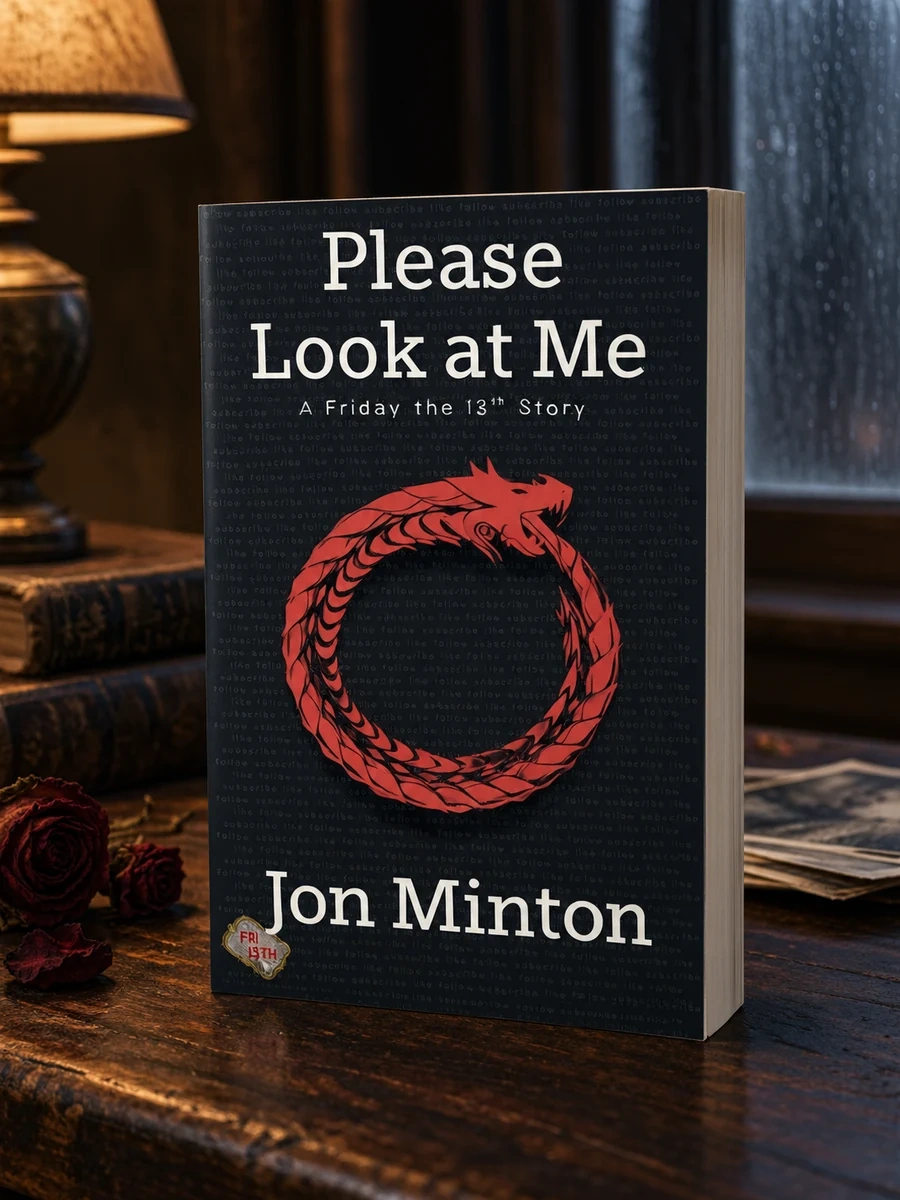
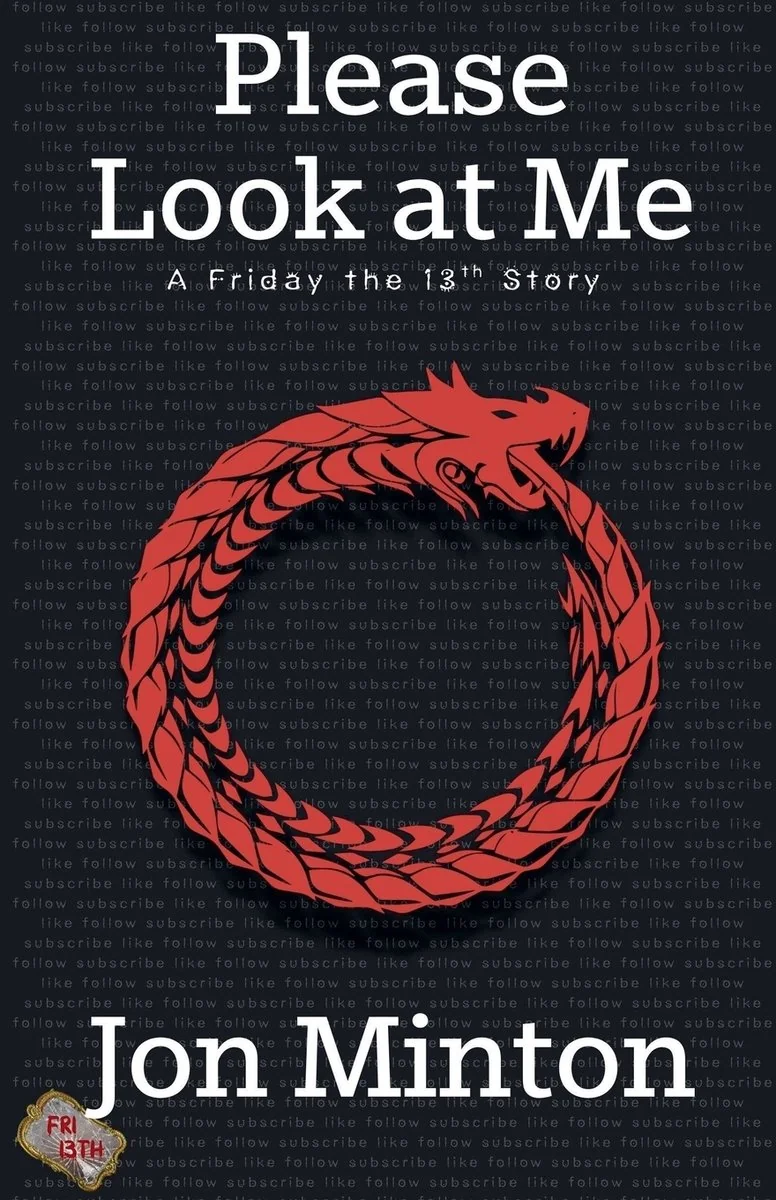
Please Look at Me (A Friday the 13th Story, #9)
A novel about an influencer whose spiritual movement collapses after a fraud is exposed.
The plot centers on Brittany Varon, who leads an Autophagian community focused on healing without medicine and strength without sustenance. When the founder’s deception is revealed, the group fractures under public pressure. Tatyana Brigam emerges as a radical leader who condemns critics as heretics. Brittany struggles with the movement’s descent into extremism. The story highlights how digital fame can accelerate ideological polarization. It examines the cost of maintaining faith when the foundation is built on lies. The narrative tracks the shift from spiritual rebirth to violent exclusion.
The story reflects modern anxieties about digital influence and the rise of controversial wellness movements. It sits within the Friday the 13th horror series, blending supernatural fiction with contemporary social commentary on online communities.


📝 Description: Please Look at Me (A Friday the 13th Story, #9)
💎 Our verdict on Please Look at Me (A Friday the 13th Story, #9)
📖 Why choose it
Why this book is worth reading
This book is designed for readers who appreciate character-driven horror that dissects the erosion of identity under intense social pressure rather than relying on external monsters or jump scares. It appeals to those interested in contemporary cult dynamics and the psychological shifts occurring within groups facing collapse. The narrative offers a slow-burn examination of how digital fame accelerates ideological polarization, making it ideal for audiences who enjoy exploring the tension between personal discipline and collective danger. Readers seeking fast-paced action may find the internal conflict less engaging, but those drawn to the cost of maintaining faith when built on lies will find this story compelling and thought-provoking.
⭐ Reader reviews
Reader rating
Minton delivers a nuanced exploration of spiritual collapse, focusing on the psychological toll of exposed fraud within an influencer-led community. The narrative effectively tracks the descent from spiritual rebirth to violent exclusion, highlighting how Tatyana Brigam’s radicalization contrasts with Brittany Varon’s struggle for containment. By emphasizing internal conflict over external threats, the story creates a chilling atmosphere grounded in realism. It suits readers who enjoy examining the mechanics of online influence and the fragility of belief systems. The character-driven approach ensures that the horror stems from human behavior rather than supernatural elements, offering a sophisticated look at modern extremism.