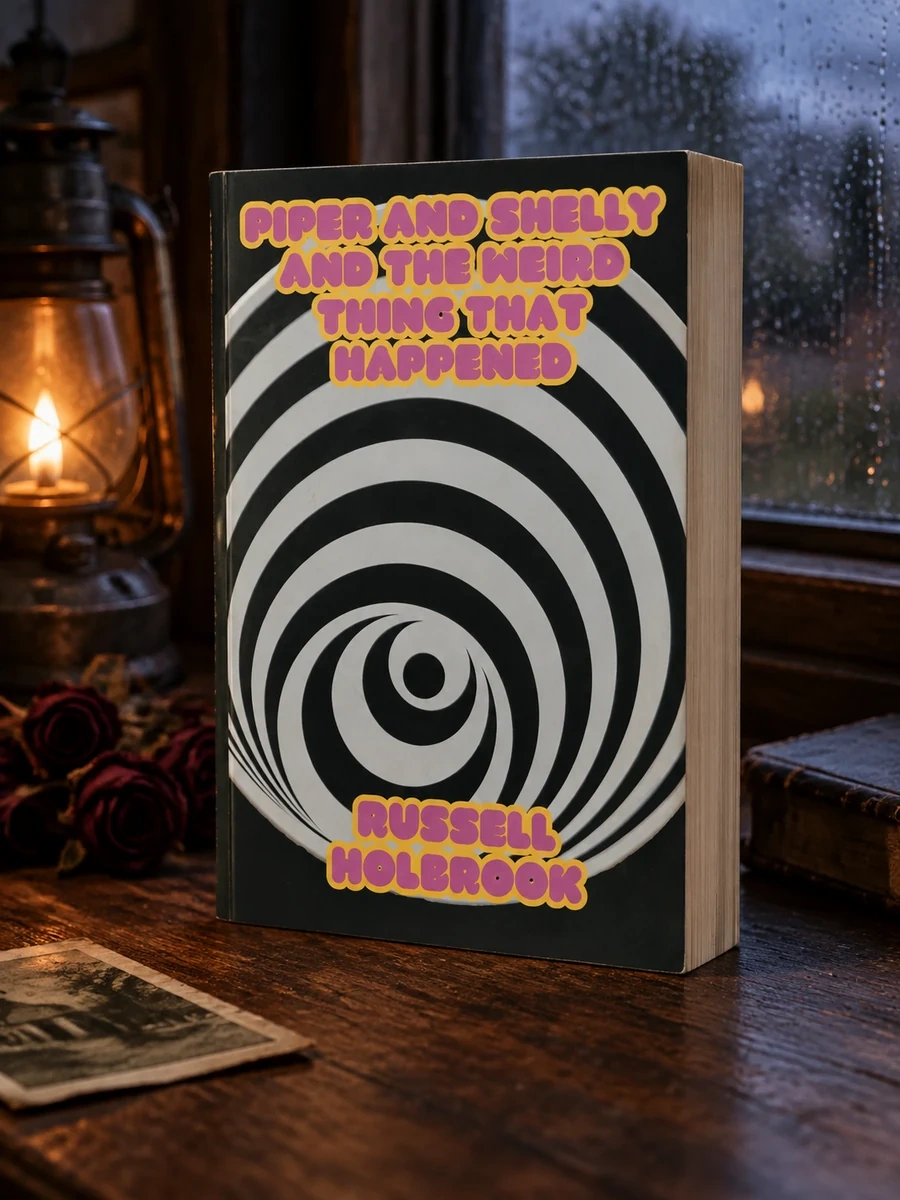
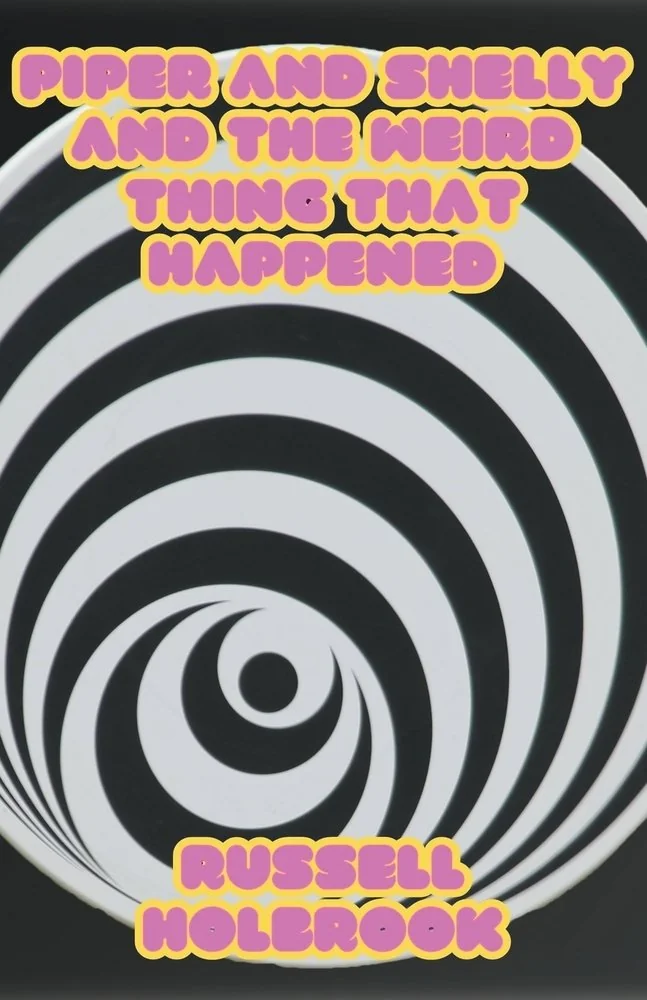
Piper and Shelly and the Weird Thing That Happened
A satirical horror tale about cursed funnel cakes and body transformation.
The narrative follows Piper and Shelly through a bizarre incident involving food service and magical retaliation. Their experience at the Mable Town location serves as the catalyst for supernatural events. The story examines how a simple complaint can trigger lasting changes in reality. Holbrook uses the setting of a food truck park to ground the fantastical elements. The characters face unexpected consequences that challenge their understanding of cause and effect. This approach allows for a critique of consumer behavior through a lens of horror. The work does not rely on complex mythology but rather on immediate, visceral reactions to the supernatural.
This 2024 release from Splatterpiece Press sits within contemporary American independent horror publishing. It draws on traditions of gypsy folklore and modern food culture satire. The work reflects current trends in splatterpunk fiction by combining mundane settings with extreme physical consequences.


📝 Description: Piper and Shelly and the Weird Thing That Happened
💎 Our verdict on Piper and Shelly and the Weird Thing That Happened
📖 Why choose it
Why this book is worth reading
Readers seeking a blend of grotesque transformation and sharp satire will find this title particularly engaging. It offers a unique critique of consumer behavior through the lens of immediate, visceral supernatural consequences. The narrative avoids complex mythology in favor of direct physical distortion, making it accessible to those who prefer grounded absurdity over intricate lore. Those who enjoy dark humor intertwined with body horror elements will appreciate the comedic timing and the exploration of how insults can manifest as magical retaliation. It is ideal for fans of modern horror that prioritizes tone and visceral reaction over traditional gothic atmosphere or historical settings.
⭐ Reader reviews
Reader rating
Holbrook delivers a potent mix of body horror and satire, grounding fantastical elements in the mundane setting of a food truck park. The narrative effectively uses the catalyst of a simple complaint to trigger lasting changes in reality, exploring the theme that one truly becomes what they eat. The tone balances dark humor with grotesque imagery, creating a visceral experience without relying on complex mythological structures. While it may not suit readers seeking traditional ghost stories or historical gothic fiction, it excels in its focus on modern absurdity and physical distortion. The work challenges the understanding of cause and effect through immediate supernatural consequences.