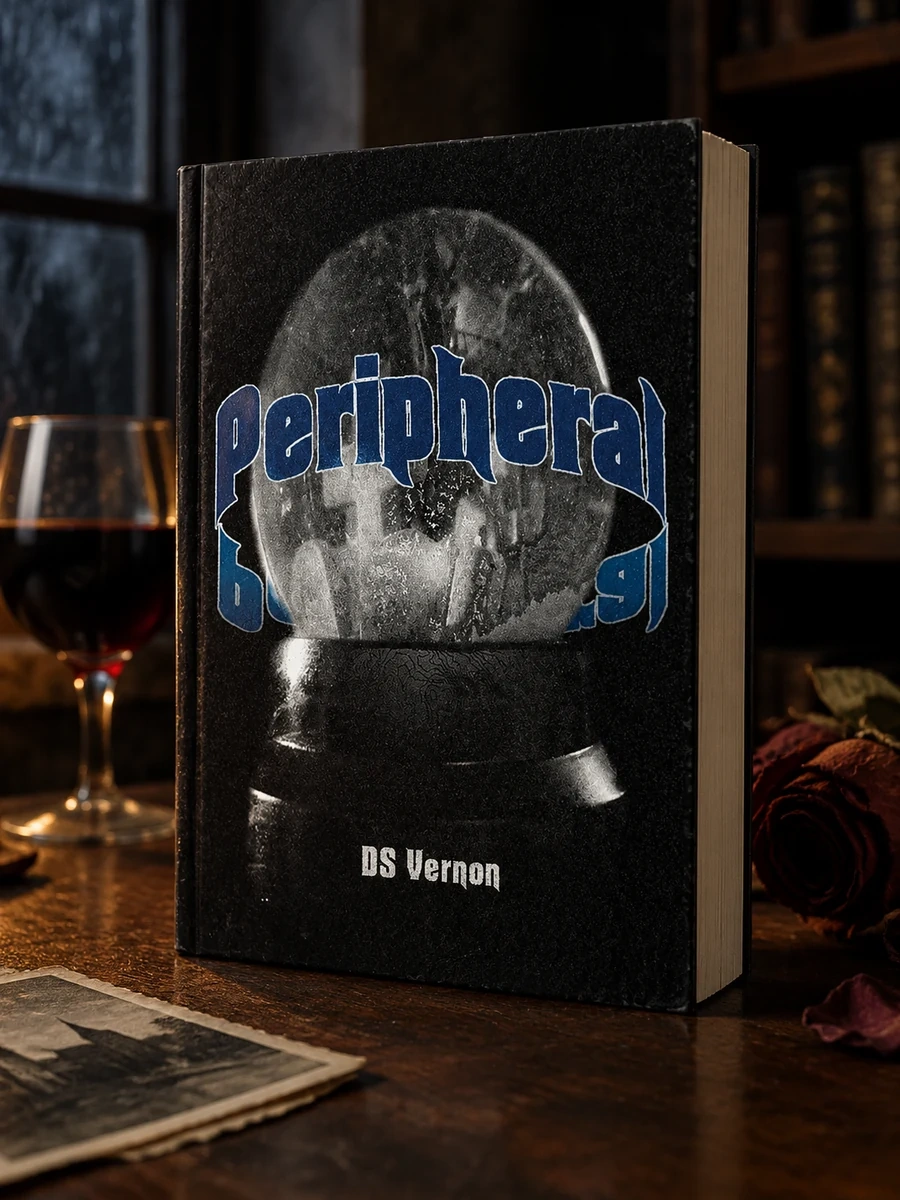
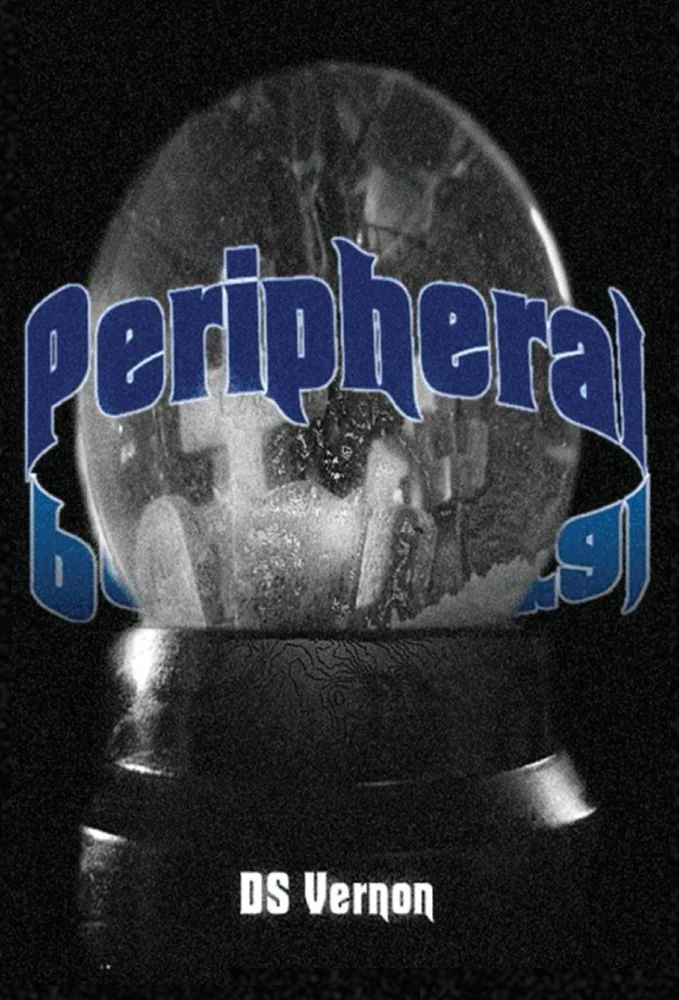
Peripheral
A widower confronts encroaching entities after his wife's death.
This narrative centers on Raymond’s inability to cope with Theresa’s death. Amanda’s efforts to help him fail as he collapses inward. The horror stems from the ambiguity of his visions. Are they real or products of grief? Vernon uses this uncertainty to build tension. The story avoids explicit violence, focusing instead on psychological unraveling. It suits readers who enjoy slow-building dread and emotional depth. It may not appeal to those wanting fast-paced action or clear supernatural explanations.
Published in 2024 by Ascendent Publishing, this work fits within the contemporary horror genre. It draws on gothic traditions of isolation and unseen threats. The story reflects modern anxieties about mental health and loss.


📝 Description: Peripheral
💎 Our verdict on Peripheral
📖 Why choose it
Why this book is worth reading
Readers who appreciate the intersection of profound grief and supernatural ambiguity will find this narrative deeply resonant. The book offers a compelling examination of isolation, showing how loneliness can crystallize into tangible dread without relying on gore or cheap jump scares. It is ideal for those who enjoy slow-burn atmospheres where the horror stems from psychological unraveling rather than physical threats. Fans of gothic fiction and true crime enthusiasts interested in the darker corners of human psychology will appreciate the emotional depth. However, it may not satisfy those seeking fast-paced action or clear explanations for the encroaching entities. This is a story for patient readers who value tension built through uncertainty and the subtle, creeping presence of loss.
⭐ Reader reviews
Reader rating
Ds Vernon delivers a masterclass in atmospheric tension by focusing on Raymond’s internal collapse following his wife’s death. The narrative effectively leverages the ambiguity of visions to create a pervasive sense of unease. By avoiding explicit violence, the story forces readers to confront the raw reality of grief. The slow-burn approach ensures that every perceived movement at the periphery feels significant. It suits those who enjoy psychological horror and gothic traditions. While it lacks traditional supernatural clarity, its strength lies in emotional authenticity. Readers seeking comfort or clear resolutions will find little here. Instead, they encounter a stark portrayal of how isolation manifests as fear. The writing is precise, targeting fans of dark fantasy and cosmic horror who prefer subtle dread over loud scares. It is a thoughtful, unsettling exploration of loss.
📖 Read on the blog
✍️ More books by this author Ds Vernon


🏛 Books from this publisher Ascendent Publishing
You might also like
See more →
Have a question about this item?
Ask about the edition, condition, delivery or anything else — we reply by email or phone, usually within a day.
