?????????
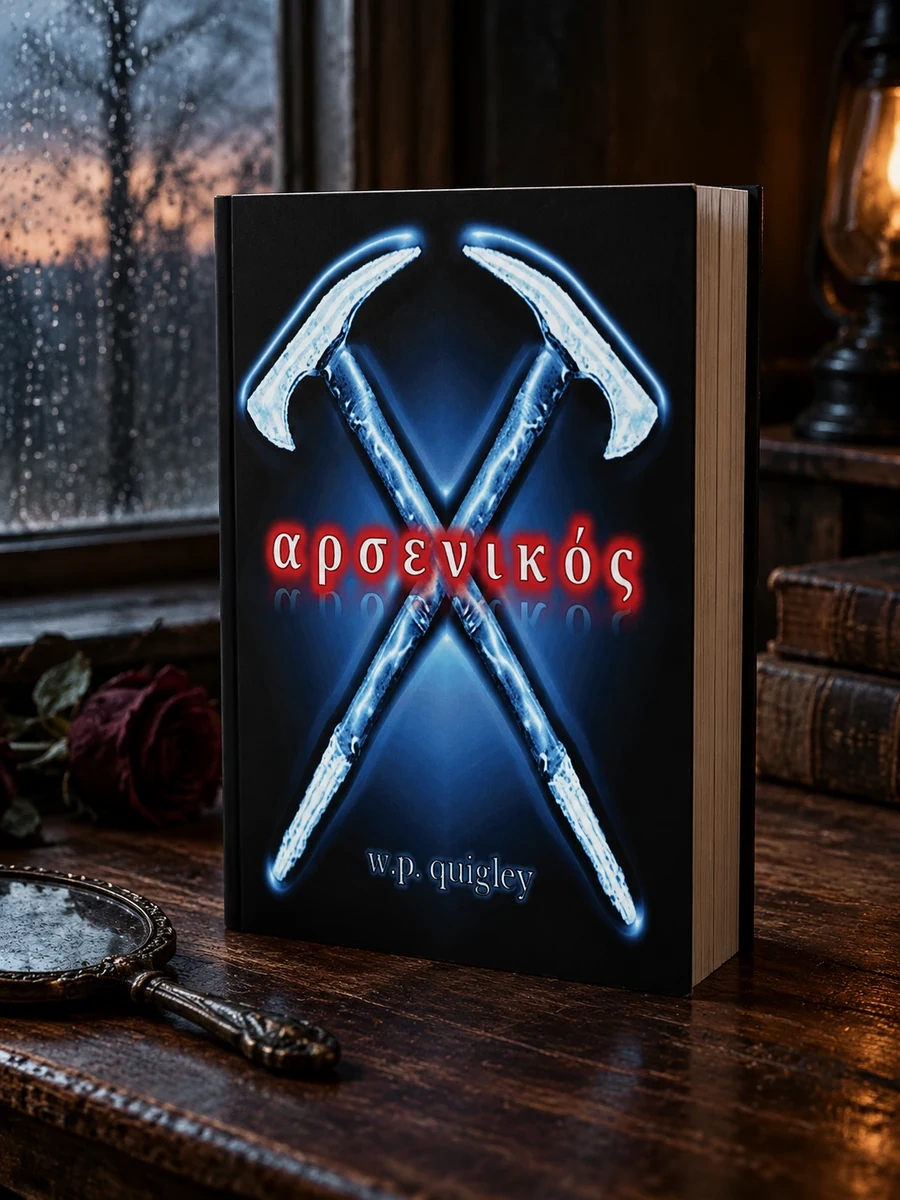
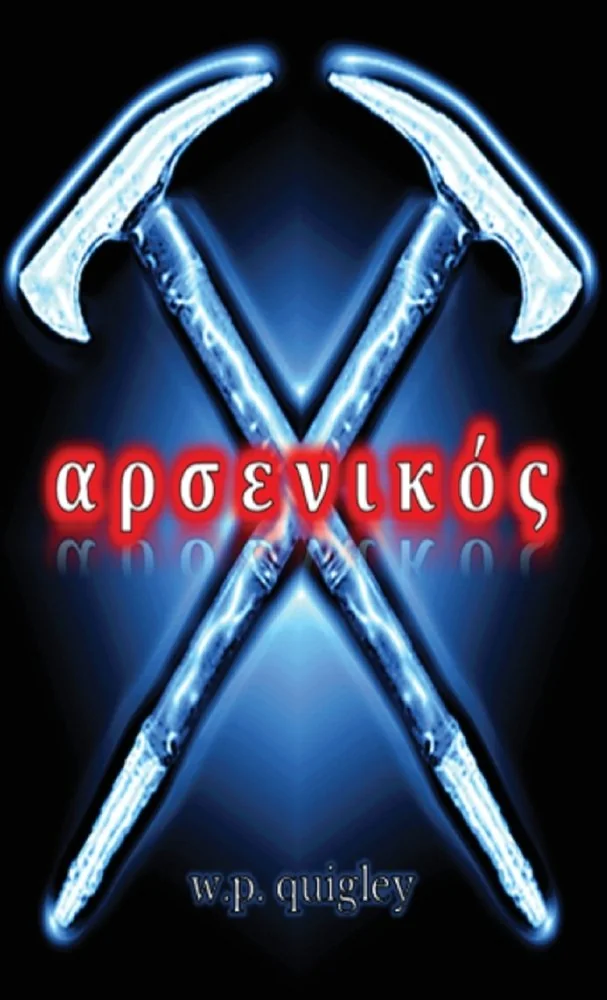
Walter Quigley's novel reimagines grief through Greek mythology and the Underworld.
Dante and Chris Poulos handle their dad's passing. A strange figure returns from beyond, showing that death follows Greek rules, not modern ones. This brings a minor god into their life. The book follows how they face this new spiritual area. They meet divine forces in ways that change fate and cosmic order. Quigley mixes current grief with ancient myth. The work looks at how beliefs define what happens after death. It asks readers to think about the soul's path. The ending changes how the brothers see Hades and the Elysian Fields.
Published by Ascendent Publishing in April 2024, this work blends contemporary American grief with ancient Greek mythological traditions. It draws specifically on the concepts of Hades and the Elysian Fields to explore supernatural fiction themes.


📝 Description: ?????????
💎 Our verdict on ?????????
📖 Why choose it
Why this book is worth reading
Readers seeking a profound exploration of sorrow through the lens of classical antiquity will find this narrative compelling. It appeals to those who prefer horror that grounds its supernatural elements in emotional truth rather than shock value. The book offers a unique perspective on how ancient beliefs define the afterlife, inviting contemplation on the soul's journey. Fans of cosmic and psychological horror will appreciate the shift in fate and the weight of destiny portrayed here. It is ideal for individuals interested in how divine intervention meets human pain, providing a meditative experience that challenges conventional views of death and spiritual order without relying on simple ghost tales.
⭐ Reader reviews
Reader rating
Walter Quigley delivers a somber yet intricate examination of grief, utilizing Greek mythology as a framework for understanding loss. The narrative effectively blends modern emotional reality with ancient cosmic rules, creating a distinct atmosphere where the Underworld feels tangible and dangerous. By introducing a minor deity into the brothers' lives, Quigley shifts the focus from simple haunting to a restructuring of spiritual order. The prose avoids melodrama, grounding the magical elements in the heavy weight of destiny. This approach suits readers who enjoy dark fantasy and mythic reinterpretations over standard horror tropes. The ending provokes deep thought regarding Hades and the Elysian Fields, making it a memorable read for those willing to engage with complex thematic layers.
📖 Read on the blog
🏛 Books from this publisher Ascendent Publishing


You might also like
See more →
Have a question about this item?
Ask about the edition, condition, delivery or anything else — we reply by email or phone, usually within a day.
