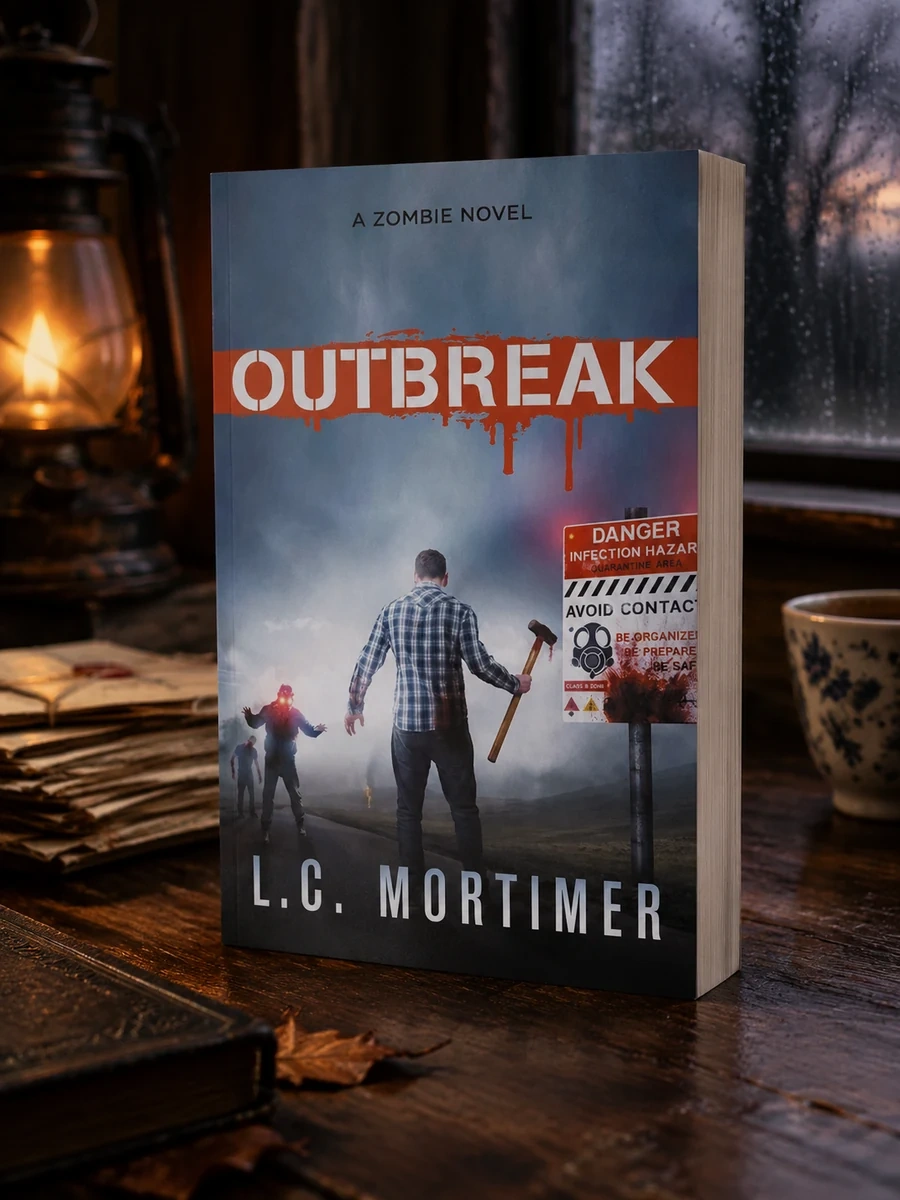
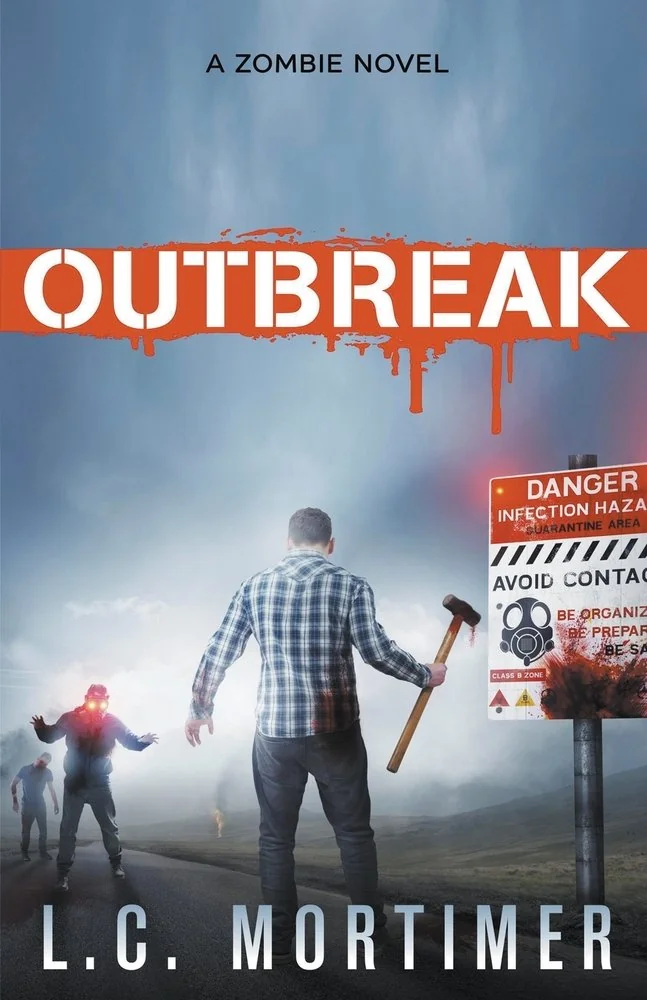
Outbreak: A Zombie Novel
A survivor returns home to find strangers occupying her safe house during the apocalypse.
The narrative centers on two groups colliding in a rural setting. Emily loses hope after failing to save her sister and retreats to her sanctuary. Neil brings his group there for safety, unaware of the owner's return. The conflict arises not from monsters outside, but from the storm and the intruder inside. Mortimer uses this setup to explore themes of entitlement and survival instinct. The story avoids typical action sequences in favor of tense dialogue and moral dilemmas. It highlights how quickly alliances can fracture when resources are scarce and danger is imminent.
Published in 2018 by L.C. Mortimer, this work sits within the modern zombie fiction genre. It reflects contemporary anxieties about societal collapse and self-reliance. The setting of an abandoned farmhouse draws on rural gothic traditions. The narrative style emphasizes immediate personal stakes over large-scale political commentary.


📝 Description: Outbreak: A Zombie Novel
💎 Our verdict on Outbreak: A Zombie Novel
📖 Why choose it
Why this book is worth reading
Readers who prefer character-driven horror with a focus on interpersonal conflict will find this appealing. Those seeking extensive lore or complex world-building may prefer other titles, but fans of grounded zombie narratives where human nature is the primary antagonist will appreciate the emphasis on moral dilemmas and resource management. The book suits those interested in how quickly alliances fracture under pressure, offering a tense exploration of entitlement and survival instinct rather than action-heavy sequences.
⭐ Reader reviews
Reader rating
Mortimer effectively utilizes the storm as a metaphorical threat to heighten the tension between Emily and Neil’s group. By avoiding typical action sequences, the narrative forces readers to confront the psychological toll of loss and the fragility of trust. The setting serves as a crucible for examining social breakdown, making the domestic space feel increasingly hostile. While it lacks expansive world-building, its strength lies in sharp dialogue and the realistic depiction of survival ethics. It is best suited for audiences who value atmospheric dread and complex human dynamics over traditional zombie apocalypse tropes.
You might also like
See more →



Have a question about this item?
Ask about the edition, condition, delivery or anything else — we reply by email or phone, usually within a day.
