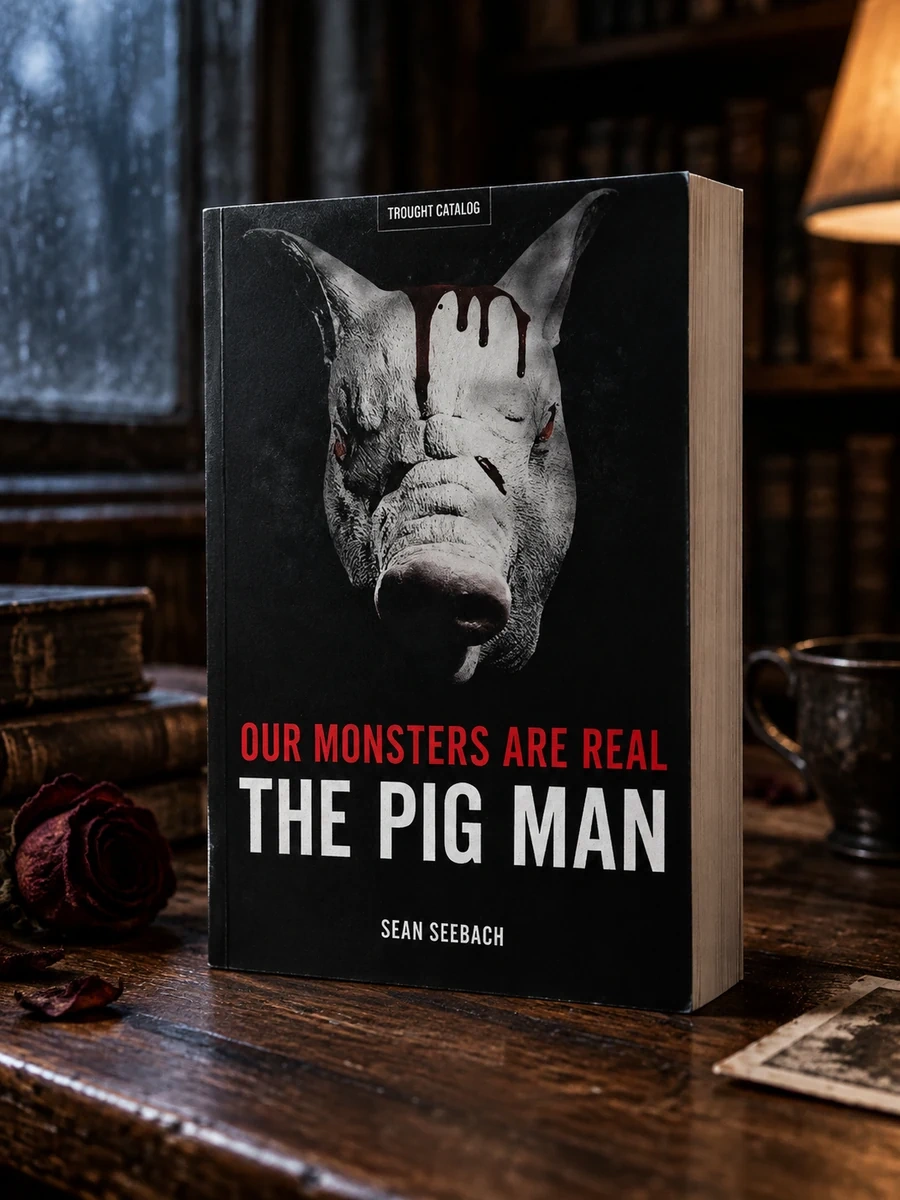

Our Monsters Are Real: The Pig Man
A farm boy uses unknown magic against a morbid family in this Midwestern horror novella.
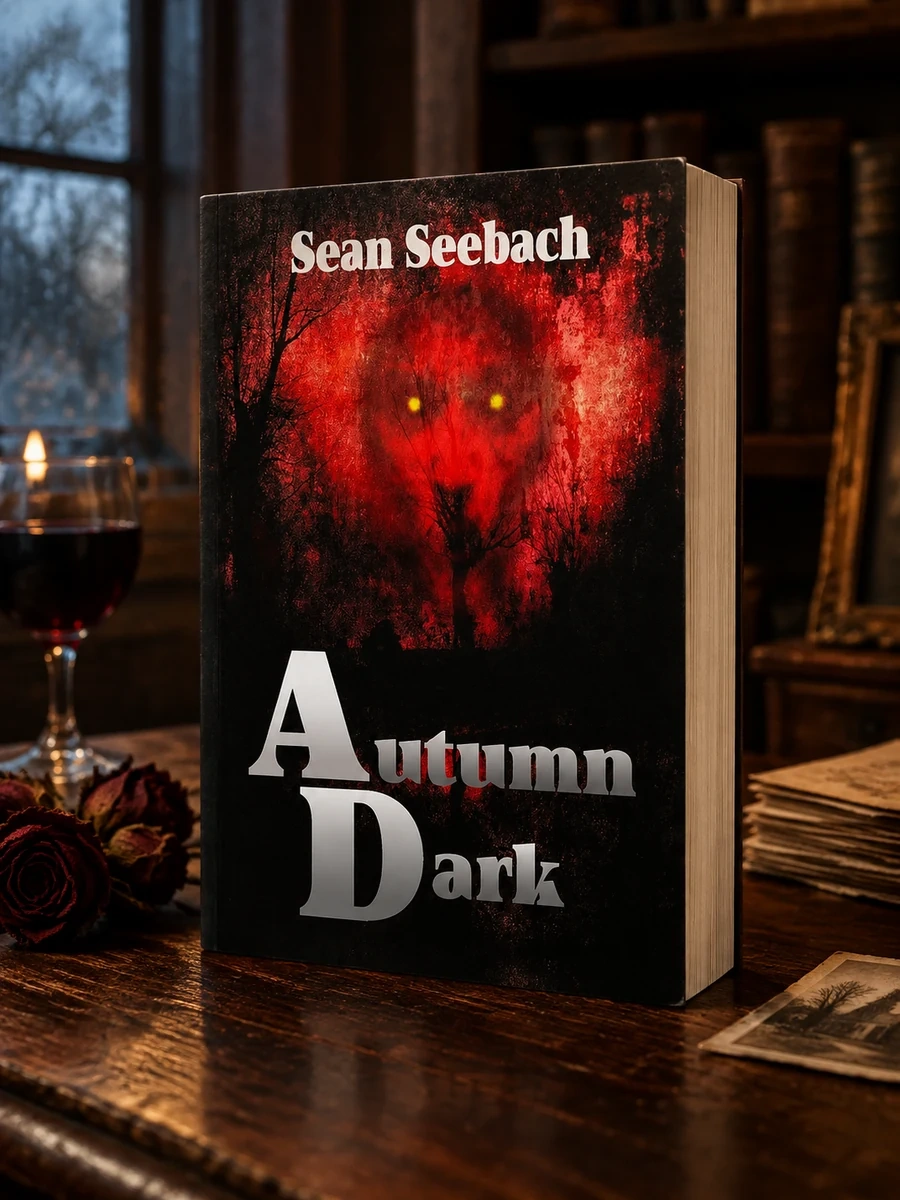
The narrative centers on Daryl, a high school senior from a farming background. He faces a morbid family while navigating the complexities of summer in Edlund. The plot integrates rock and roll and teenage desire into the supernatural conflict. Secrets about the Carter family unfold as they adjust to their new home. Seebach writes a story where personal growth collides with dark forces. The magic remains undefined, adding mystery to Daryl’s actions. This approach grounds the horror in relatable adolescent experiences rather than abstract evil.
The novella is set in Edlund, a small Midwestern town during the summer. It draws on traditions of American regional horror and supernatural fiction. The story reflects themes common to contemporary young adult fantasy, blending coming-of-age struggles with dark family secrets.


📝 Description: Our Monsters Are Real: The Pig Man
💎 Our verdict on Our Monsters Are Real: The Pig Man
📖 Why choose it
Why this book is worth reading
Readers who appreciate atmospheric, character-driven horror will find this novella compelling for its unique blend of adolescent longing and supernatural menace. It appeals to those interested in the intersection of rock and roll culture with dark fantasy, offering a fresh perspective on small-town secrets. The undefined nature of the magic invites speculation, making it ideal for fans who enjoy psychological depth over explicit world-building. Those seeking a tight, focused narrative that explores how personal growth collides with evil will gain satisfaction from its intense emotional stakes. It is perfect for readers tired of generic tropes, preferring stories where the horror feels rooted in relatable human experiences rather than abstract concepts.
⭐ Reader reviews
Reader rating
Sean Seebach delivers a tense novella that effectively merges teenage desire with supernatural threat in a Midwestern setting. The narrative excels in grounding cosmic horror in the mundane realities of farm life and romantic longing, creating a distinct atmospheric tension. By keeping the magic undefined, the author prioritizes character internal states over exposition, which suits readers who prefer psychological engagement. While it lacks the fast-paced action or extensive world-building sought by some, its strength lies in its focused exploration of dark familial histories. This is a strong choice for enthusiasts of regional horror and gothic tales that challenge traditional genre boundaries through the lens of youthful energy.