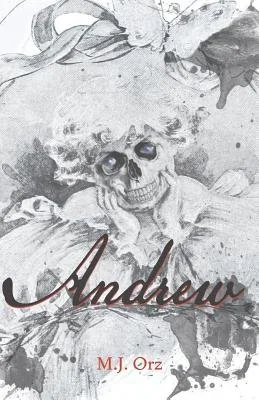
Andrew
A novel about a devil who appears in innocent forms to corrupt victims.
Orz crafts a tale where the antagonist is not a distant monster but an intimate presence. Andrew enters lives through familiar settings like hospitals or pet shops. He acts as a friend before revealing his true purpose. The narrative examines how evil manipulates perception and will. Readers witness the gradual discovery of their own inner darkness. The story does not rely on jump scares but on the slow realization that trust is misplaced. This approach creates a lingering sense of unease that persists after the final page.
This 2016 publication by Thought Catalog Books fits within the contemporary American horror landscape. It revives classic gothic tropes of the devil in disguise. The work reflects a modern interest in psychological dread over gore, appealing to readers who prefer atmospheric tension and moral ambiguity in their supernatural fiction.


📝 Description: Andrew
💎 Our verdict on Andrew
📖 Why choose it
Why this book is worth reading
This book appeals to readers who prefer atmospheric dread and psychological terror over visceral gore or jump scares. It offers a lingering sense of unease by examining how evil manipulates perception and will through familiar, innocent settings like hospitals or pet shops. Those interested in the tension between apparent innocence and hidden malice will find value in its study of internal corruption. The narrative does not provide clear resolutions for those seeking lighthearted entertainment, but rather presents a focused exploration of the insidious nature of evil disguised as friendship. It is ideal for fans of gothic fiction who appreciate subtle, pervasive threats that challenge their trust and comfort.
⭐ Reader reviews
Reader rating
Orz effectively cultivates an atmosphere of lingering unease by positioning the antagonist not as a distant monster but as an intimate presence within daily life. The narrative structure, which follows shifting appearances from a smiling child in a pet shop to a giggle in an abandoned cabin, successfully reveals the pervasive nature of the threat. This approach creates a profound sense of dread that persists long after the final page. The book excels in examining how evil manipulates perception and forces individuals to confront their own inner darkness. It suits readers who enjoy psychological terror and stories about internal corruption, particularly those who appreciate the tension between apparent innocence and hidden malice found in classic horror traditions.