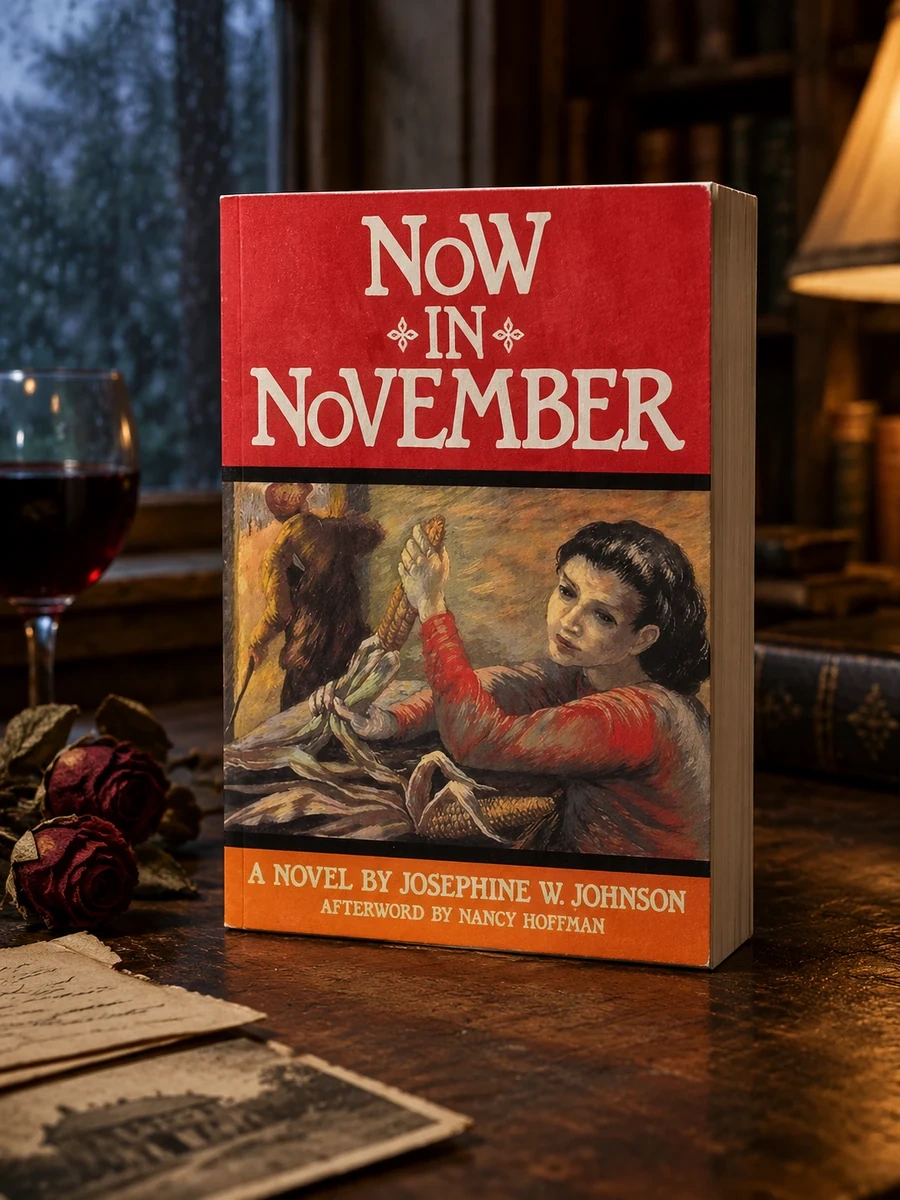
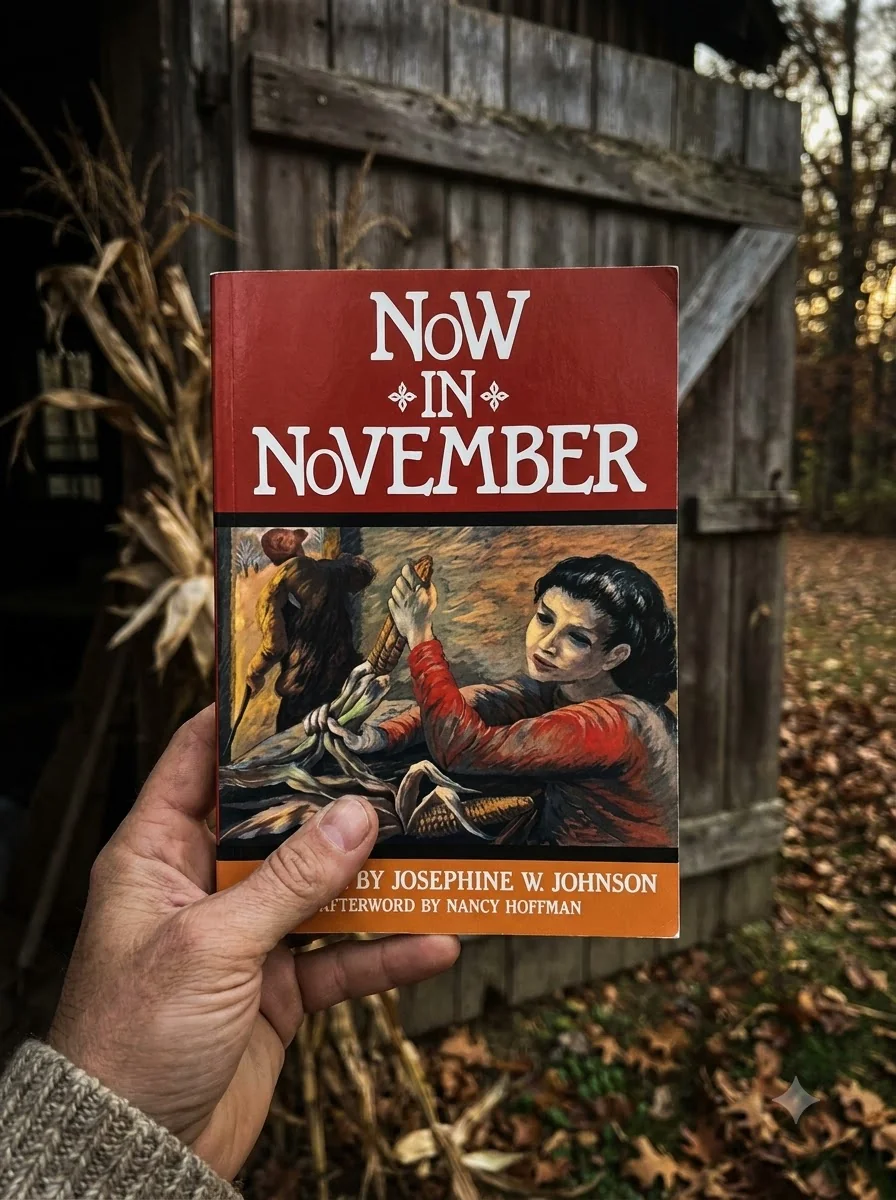

Now in November
A 1934 novel about a family ruined by poverty and unexpressed hatred.
Johnson’s debut work examines the psychological erosion of a family forced into rural labor by economic disaster. The narrative draws parallels to Ethan Frome, highlighting how isolation exacerbates internal conflicts. The prose style is noted for its maturity and musical quality, surprising critics who learned it came from an author in her twenties. Comparisons to Willa Cather emphasize its literary stature. The text does not rely on plot twists but on the slow accumulation of emotional weight. It captures a specific moment in American history where environmental and financial pressures converge to break social bonds.
Published by Feminist Press in 1993, this edition revives Johnson’s Pulitzer Prize-winning 1934 novel. The work reflects the literary response to the Great Depression and the drought of the thirties, capturing the shift from urban middle-class life to rural poverty.


📝 Description: Now in November
💎 Our verdict on Now in November
📖 Why choose it
Why this book is worth reading
This book is essential for readers who appreciate the slow, crushing weight of psychological horror over supernatural thrills. It appeals to those interested in the precise mechanisms of social decay and how isolation exacerbates internal family conflicts. If you value mature prose with a musical quality and wish to explore the destructive power of unexpressed hatred within a historical context, this text offers a profound examination of human endurance. It is not for those seeking fast-paced action, but rather for audiences ready to engage with literary realism that delves into the emotional erosion caused by economic disaster.
⭐ Reader reviews
Reader rating
Josephine W Johnson’s debut novel delivers a masterclass in atmospheric tension, prioritizing the accumulation of emotional weight over plot twists. The prose is noted for its maturity and musicality, earning comparisons to Willa Cather despite the author's youth. By examining how poverty and isolation fuel intense, destructive emotions, the narrative offers a chilling look at family dynamics under duress. It suits readers drawn to gothic undertones within historical settings and those interested in the psychological effects of economic collapse. While it lacks genre thrills or supernatural elements, its literary stature and insightful portrayal of social decay make it a compelling, if demanding, read for fans of serious literary fiction.
📖 Read on the blog
🏛 Books from this publisher Feminist Press


You might also like
See more →





Have a question about this item?
Ask about the edition, condition, delivery or anything else — we reply by email or phone, usually within a day.
