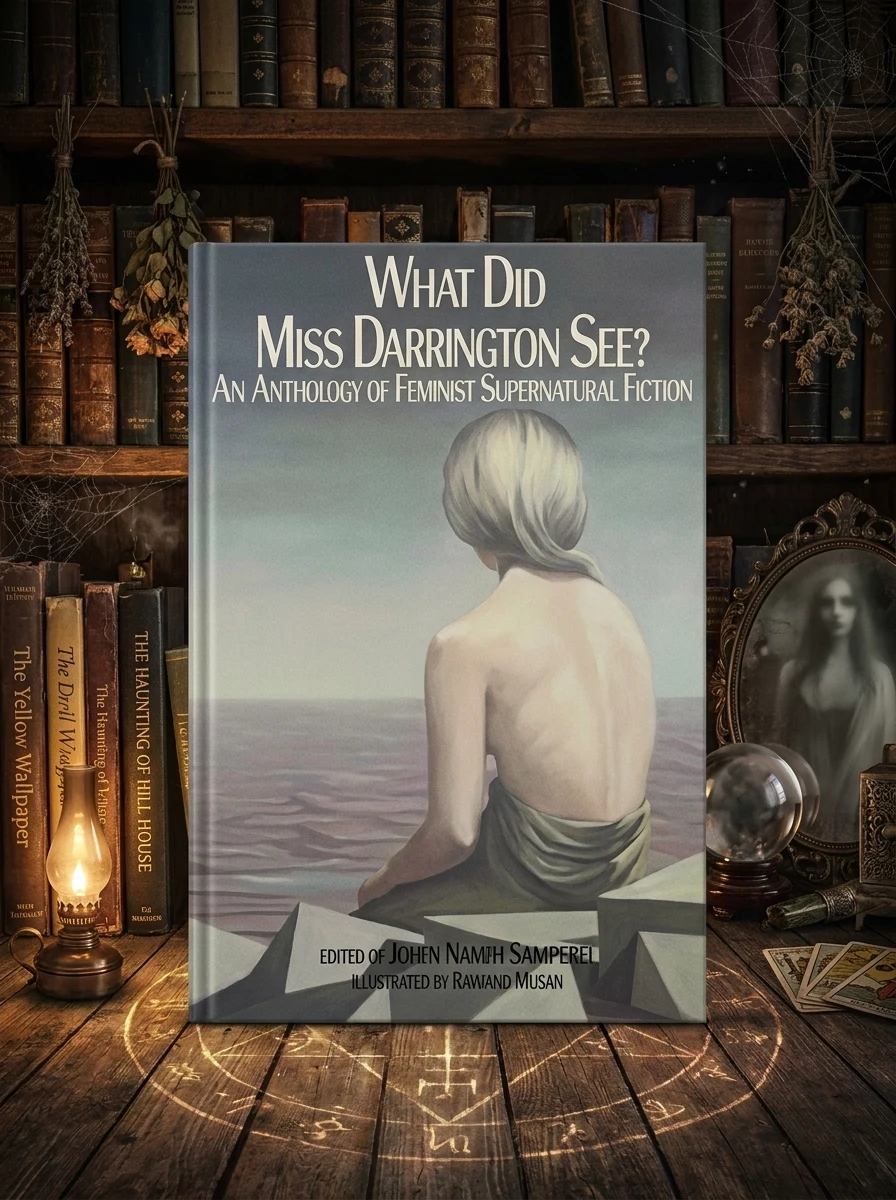

What Did Miss Darrington See?: An Anthology of Feminist Supernatural Fiction
An anthology of feminist supernatural fiction from the 19th and 20th centuries.
The editor gathers writers who disrupt typical horror plots. Authors such as Carrington and Russ use surrealism to twist expectations. This method uncovers deeper meanings in tales that appear standard at first glance. The book connects literary traditions from America, Britain, and Latin America. It illustrates how women handle supernatural occurrences distinct from men. The focus is on restoring a tradition ignored by mainstream critics.
Published by Feminist Press in 1993, this work won the 1989 Lambda Literary Award. It addresses a gap in literary history by highlighting female authors from the US, Britain, and Latin America who used supernatural elements to critique social norms during the 19th and 20th centuries.


📝 Description: What Did Miss Darrington See?: An Anthology of Feminist Supernatural Fiction
💎 Our verdict on What Did Miss Darrington See?: An Anthology of Feminist Supernatural Fiction
📖 Why choose it
Why this book is worth reading
Readers interested in the evolution of feminist speculative fiction will find this volume essential for understanding how gender shifts horror narratives. Scholars and fans of literary history gain insight into a tradition ignored by mainstream critics, seeing how women disrupted typical plots through surrealism. It appeals to those seeking deeper meaning over simple thrills, offering a structured view of identity exploration. By linking diverse regional voices, it argues for the importance of overlooked authors who used magic realism as social critique, providing crucial context for late twentieth-century literary landscapes.
⭐ Reader reviews
Reader rating
Salmonson successfully curates a collection that flips genre tropes by centering women across the nineteenth and twentieth centuries. The anthology excels in demonstrating how magical realism functions as sharp social critique within horror and supernatural frameworks. While it may disappoint those seeking straightforward scares, it rewards readers with complex interpretations of power and identity. The inclusion of diverse voices from the US, UK, and Latin America creates a rich tapestry of speculative fiction. This volume serves as a vital resource for tracing the development of feminist horror, making it an indispensable text for academic study and serious genre appreciation.
📖 Read on the blog
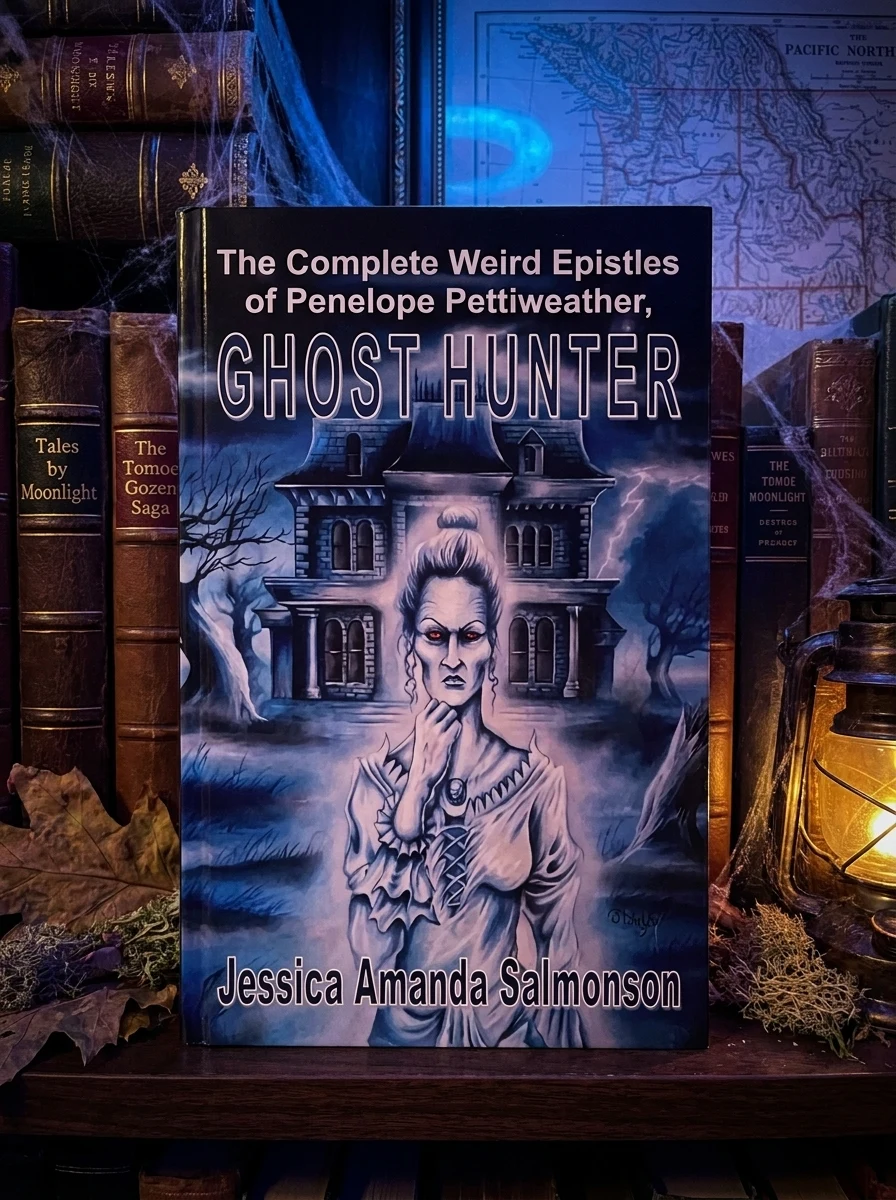
✍️ More books by this author Jessica Amanda Salmonson


🏛 Books from this publisher Feminist Press
You might also like
See more →




Have a question about this item?
Ask about the edition, condition, delivery or anything else — we reply by email or phone, usually within a day.
