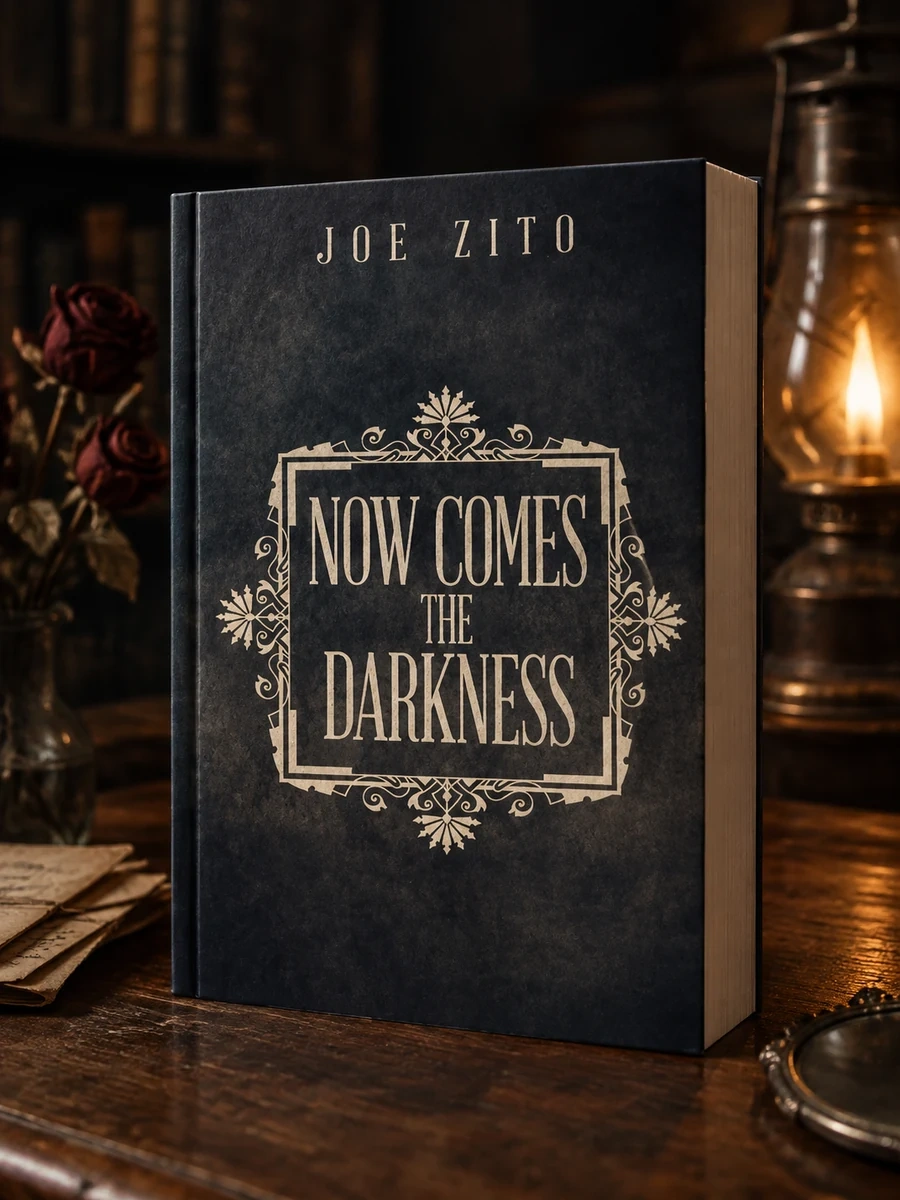

Now Comes The Darkness
A 1935 dust bowl horror story about a girl abused by her aunt.
This novel situates its horror within the specific historical trauma of the American Midwest in 1935. The protagonist, Mary Higgins, endures the dual threats of environmental devastation and domestic tyranny. Her aunt Charlotte’s delusion that the apocalypse is imminent justifies her cruel behavior. The text examines how fear can warp family dynamics into something monstrous. The dust storms serve as a backdrop for the psychological unraveling of the main character. This approach links real world disasters with personal horror, creating a tense atmosphere without relying on supernatural monsters outside the human mind.
The narrative is anchored in the dust bowl era of 1935. It references Black Sunday, a day when severe dust storms devastated the Midwest. The setting places the horror within the historical context of environmental collapse and social isolation in rural America during that specific year.


📝 Description: Now Comes The Darkness
💎 Our verdict on Now Comes The Darkness
📖 Why choose it
Why this book is worth reading
Readers seeking intense, atmospheric horror grounded in historical reality will find this work compelling. It appeals to those interested in gothic fiction where the setting itself becomes a source of dread. The book is ideal for audiences who appreciate psychological unraveling over supernatural spectacle. Those drawn to stories exploring how extreme fear warps family dynamics and human behavior will value its tense portrayal of isolation. It offers a unique intersection of environmental catastrophe and domestic tyranny, providing a grim but intellectually engaging experience for fans of dark literature that refuses to offer lighthearted escape.
⭐ Reader reviews
Reader rating
Erin Sweet Al Mehari crafts a chilling narrative where the Dust Bowl’s devastation mirrors internal psychological collapse. The horror stems not from external monsters, but from the delusions of Aunt Charlotte and the oppressive isolation of the farmhouse. This approach effectively links real-world disaster with personal terror, creating a suffocating atmosphere. The text succeeds in examining how fear distorts familial bonds into something monstrous. It is best suited for readers who enjoy slow-burn psychological horror and historical gothic fiction. Those seeking supernatural thrills or modern settings may find the focus on domestic abuse and environmental ruin too intense. However, fans of literary horror that prioritizes mood and thematic depth over plot twists will appreciate this rigorous exploration of human fragility.