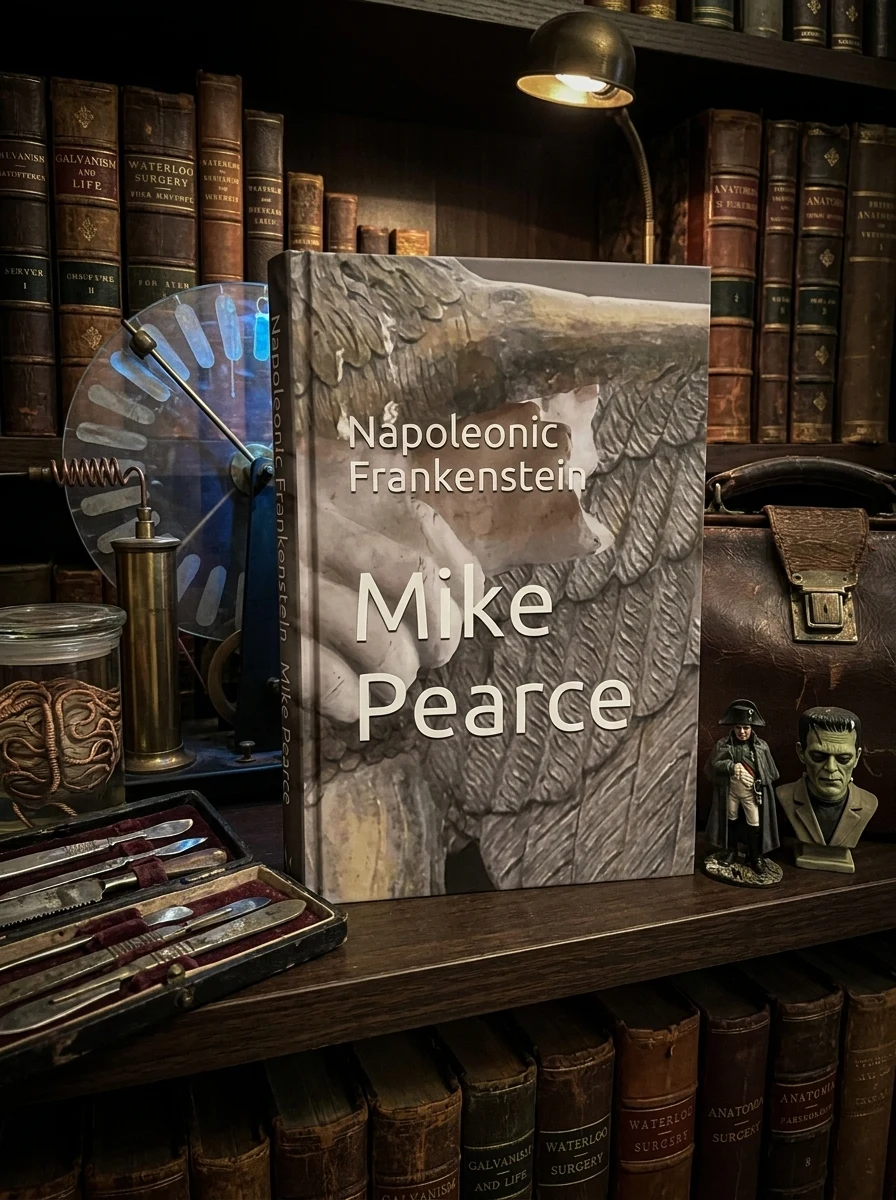
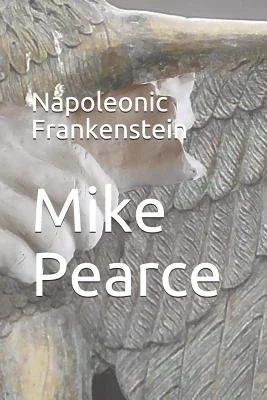
Napoleonic Frankenstein
A fictional surgeon uses static electricity at Waterloo to extend life in this retelling of Frankenstein's origins.
Pearce constructs a narrative where the Battle of Waterloo serves as the backdrop for scientific experimentation. The protagonist, a surgeon, applies new theories about electrical currents to human tissue. This approach mirrors the interests of Mary Shelley and Lord Byron regarding electricity’s impact on biology. The story suggests that the horrors of war provided unique conditions for medical advancement. By focusing on one individual’s success in reanimating or sustaining life, Pearce offers a grounded perspective on the myth. The text relies on the premise that battlefield medicine influenced later literary creations. It does not provide academic analysis but rather a creative interpretation of how such ideas might have emerged from real-world events.
The book sits within the tradition of gothic fiction inspired by Mary Shelley and Byron. It references their fascination with static electricity and its effects on living tissue. The narrative is set against the historical backdrop of the Battle of Waterloo, linking military history with supernatural speculation.


📝 Description: Napoleonic Frankenstein
💎 Our verdict on Napoleonic Frankenstein
📖 Why choose it
Why this book is worth reading
Readers who appreciate alternate takes on classic gothic literature will find this narrative compelling. It offers a grounded perspective on the Frankenstein myth by linking battlefield chaos to medical advancement. The book is ideal for those interested in how historical military events influenced early scientific speculation. It provides a creative interpretation of ideas that might have emerged from real-world conditions rather than offering academic analysis. Fans of psychological horror and dark fantasy will enjoy this exploration of static electricity’s impact on biology. It suits audiences seeking a fictional narrative that bridges the gap between war trauma and literary creation without demanding strict factual accuracy.
⭐ Reader reviews
Reader rating
Pearce successfully constructs a narrative where scientific experimentation meets the backdrop of the Battle of Waterloo. The text effectively mirrors the contemporary interests of Shelley and Byron regarding electricity’s biological effects. By focusing on one surgeon’s success, the author offers a grounded view of the reanimation myth. The work excels in connecting war’s chaos with emerging medical possibilities. It appeals most to readers who enjoy historical speculation over strict biography. While it lacks academic rigor, its creative interpretation remains engaging. The book serves as a viable entry point for those curious about the origins of gothic horror through a military lens.