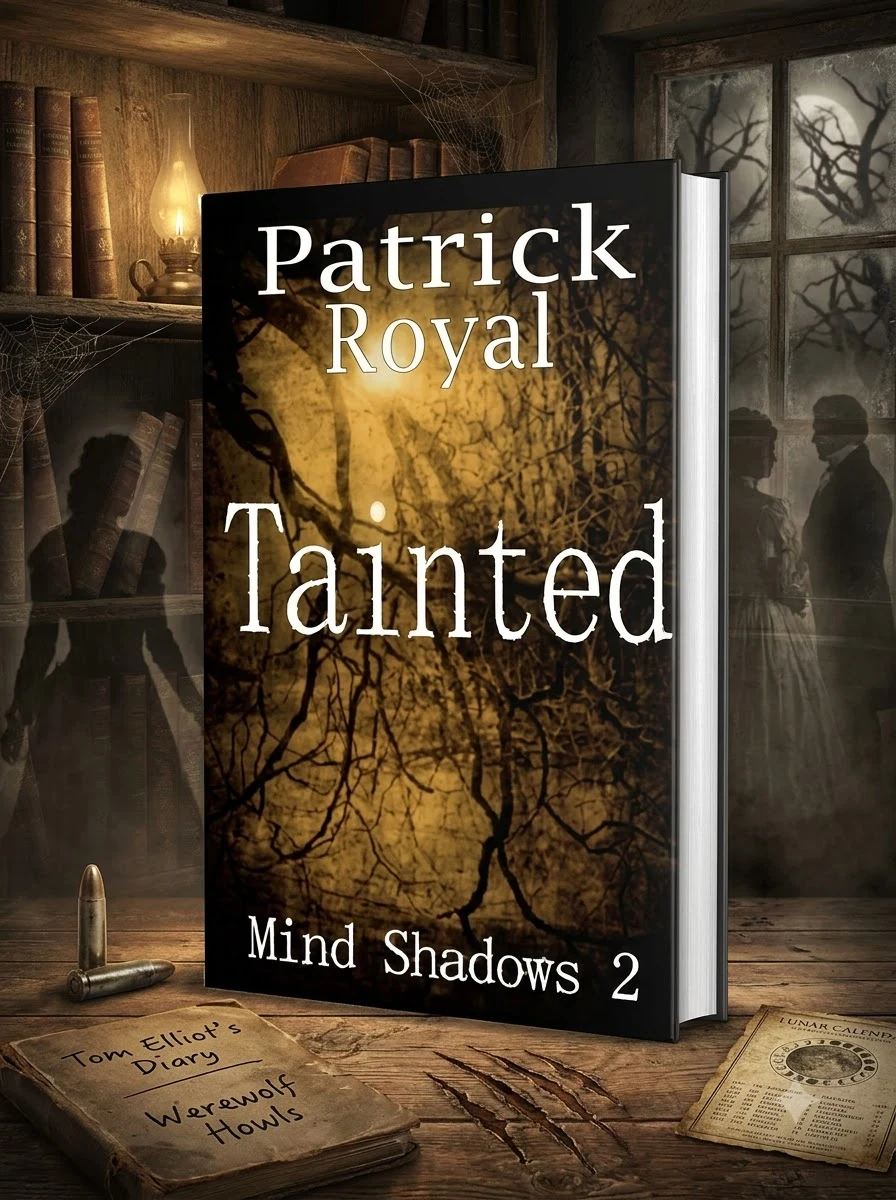
Mind Shadows 2: Tainted
A guilt-ridden man confronts werewolf legends in a restored haunted house.
Michael Gully buys a dilapidated property to honor Tom Elliot, his deceased friend. While restoring the home, he hears wolf-like noises and meets visitors from earlier eras. These encounters suggest a werewolf infestation exists within the walls. The plot hinges on Michael’s internal struggle with guilt and his growing belief in the supernatural claims of the past. Royal uses the setting to blur the line between mental anguish and actual paranormal threat. The narrative does not confirm the presence of monsters but leaves the reader questioning reality.
This 2016 publication by Patrick Royal falls within the contemporary horror genre. It engages with established gothic fiction traditions regarding haunted homes and supernatural entities. The work reflects modern interpretations of werewolf mythology through a psychological lens rather than historical folklore analysis.


📝 Description: Mind Shadows 2: Tainted
💎 Our verdict on Mind Shadows 2: Tainted
📖 Why choose it
Why this book is worth reading
Readers who prefer atmospheric tension over visceral gore will find this book compelling. It appeals to those interested in the intersection of guilt and the paranormal, offering a nuanced exploration of how personal tragedy can warp perception. The narrative invites audiences to question the reliability of their own senses, mirroring the protagonist’s descent into uncertainty. Fans of slow-burn psychological horror appreciate the focus on internal struggle rather than external action. This title serves those who enjoy ambiguous endings that linger in the mind long after reading. It is ideal for individuals seeking a contemplative experience that challenges the distinction between reality and hallucination through the lens of werewolf mythology.
⭐ Reader reviews
Reader rating
Royal crafts a compelling study of grief manifested as supernatural dread. The atmosphere is thick with gothic melancholy, effectively blurring the lines between Michael’s guilt and the alleged infestation. By anchoring the horror in emotional pain rather than jump scares, the narrative achieves a profound sense of unease. The ambiguity regarding the existence of actual monsters keeps the reader engaged in a state of doubt. This approach suits connoisseurs of psychological horror who value character depth and thematic complexity over plot resolution. The prose supports the mood, creating a cohesive experience for fans of the genre.
📖 Read on the blog
✍️ More books by this author Patrick Royal


🏛 Books from this publisher Createspace Independent Publishing Platform
You might also like
See more →
Have a question about this item?
Ask about the edition, condition, delivery or anything else — we reply by email or phone, usually within a day.
