Merry Murder
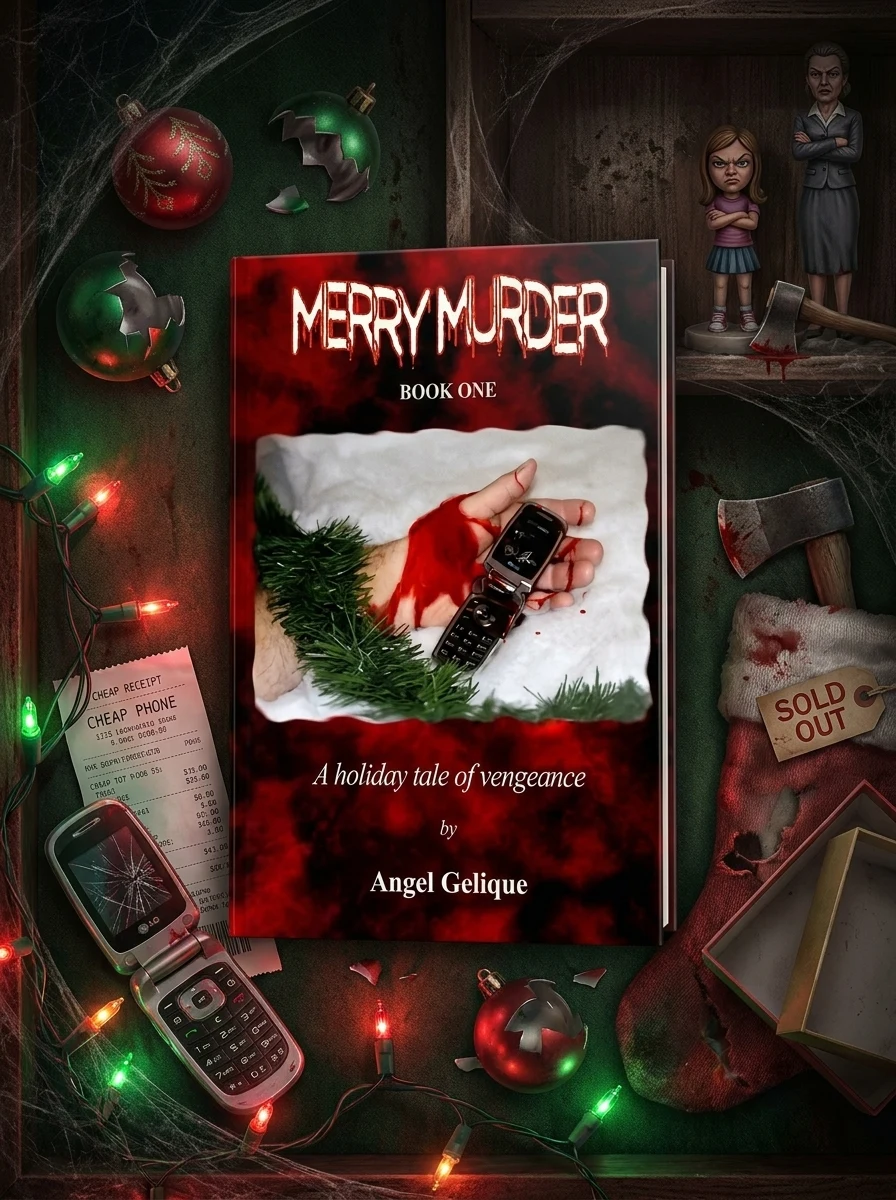
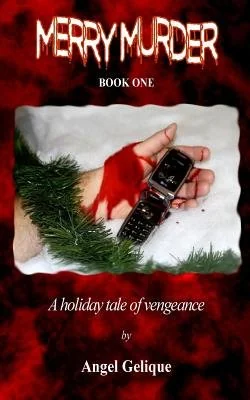
A father's financial prudence triggers a vengeful holiday nightmare with his teenage daughter.
The narrative follows Paul McKenna’s struggle to balance budget constraints with family expectations. His decision to delay buying a phone for Heather creates a rift with his wife, who enables their daughter’s desires. The story unfolds as a cautionary tale about the costs of standing firm against unreasonable demands. Gelique uses the holiday setting to heighten the tension between parental authority and teenage entitlement. The plot moves from domestic annoyance to severe consequences, highlighting the dangers of ignoring emotional needs for financial gain. The book offers a sharp critique of consumerism within family structures.
The story is set during the Christmas holiday season in the United States. It draws on the cultural tradition of gift-giving and the associated financial pressures. The narrative reflects contemporary anxieties about consumerism and the cost of technology for teenagers.


📝 Description: Merry Murder
💎 Our verdict on Merry Murder
📖 Why choose it
Why this book is worth reading
Readers who enjoy darkly comedic tales of family dynamics and holiday horror will find Merry Murder particularly engaging. Angel Gelique offers a sharp critique of consumerism within family structures, using the festive season to heighten tension between parental authority and teenage entitlement. The narrative appeals to those interested in situational irony rather than supernatural scares, grounding its horror in everyday domestic disputes. It serves as a cautionary tale about underestimating teenage wrath and the costs of standing firm against unreasonable demands. Those seeking a story that balances fiscal responsibility with familial harmony, while delivering severe consequences for stubbornness, will gain satisfaction from this unique blend of psychological tension and dark humor.
⭐ Reader reviews
Reader rating
Angel Gelique’s Merry Murder effectively twists the holiday spirit into a nightmare of domestic friction. The book excels at illustrating how financial prudence can clash violently with teenage entitlement, creating a tense atmosphere without relying on supernatural elements. By focusing on the rift between Paul McKenna and his family, Gelique highlights the dangers of ignoring emotional needs for monetary gain. This approach suits readers who appreciate dark comedy and psychological horror rooted in realistic scenarios. It is an ideal choice for those tired of traditional heartwarming seasonal stories, offering instead a sharp, ironic look at modern family dynamics and the severe retribution that can follow unreasonable demands.