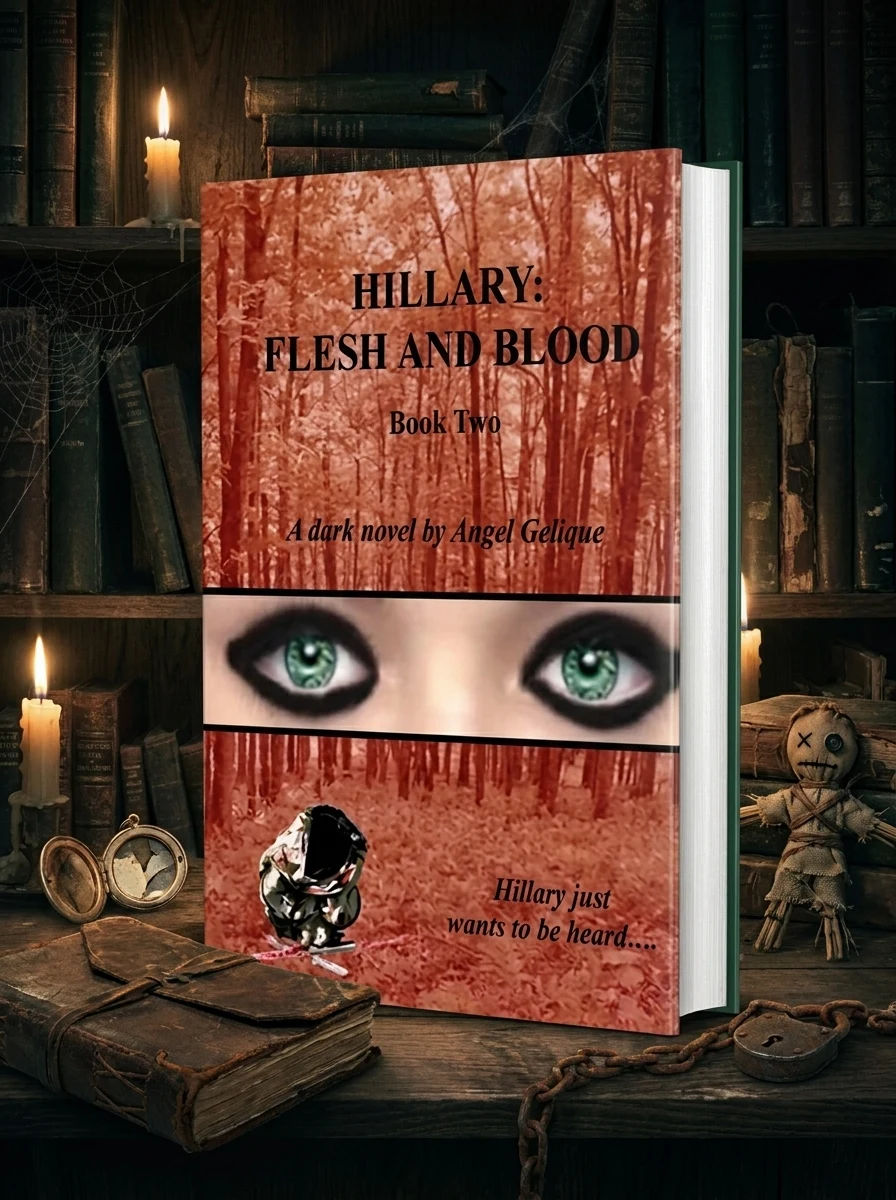

Hillary: Flesh and Blood
A dark tale of a girl's descent into evil after betrayal by her family.
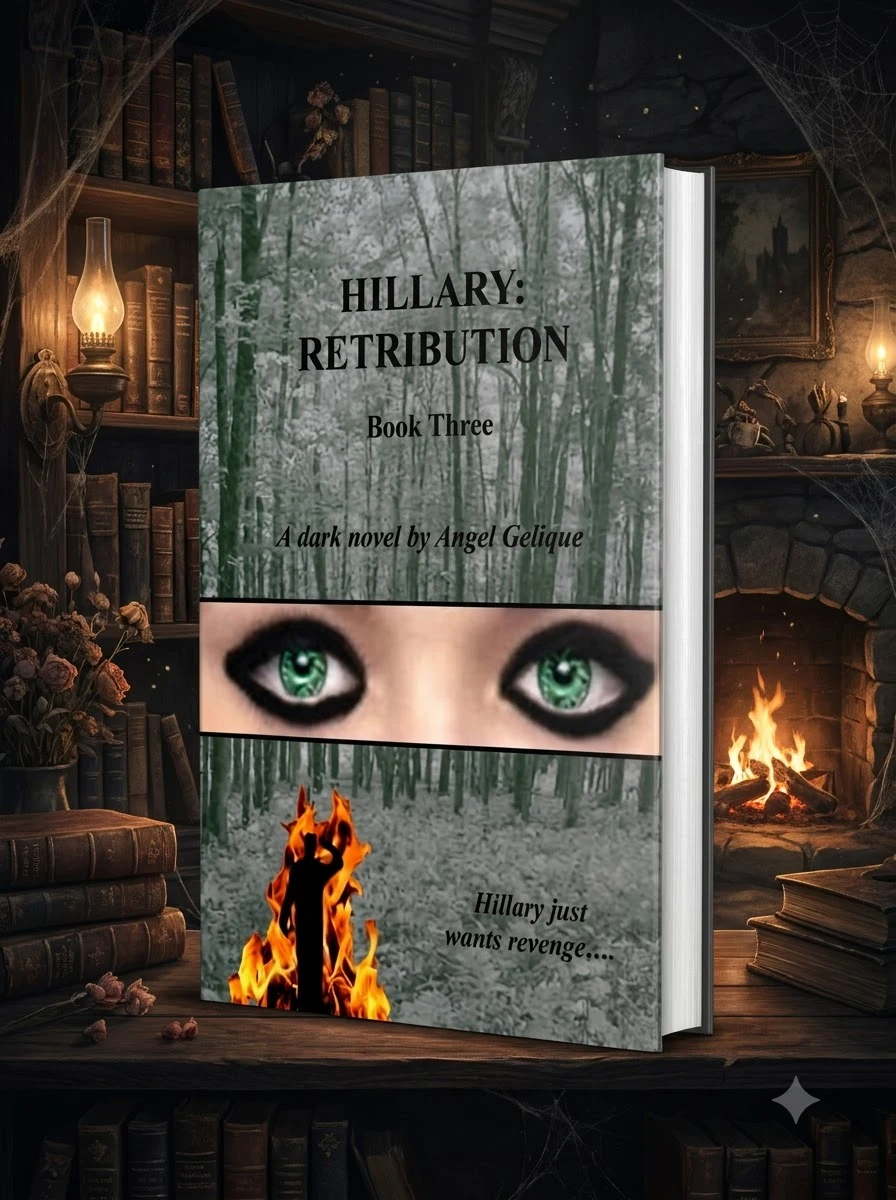
Gelique constructs a narrative where the death of innocence directly fuels the emergence of malevolence. Hillary Greyson begins as a charmed child but faces immediate abandonment when she seeks help from her parents. Her father’s betrayal and her mother’s criticism leave her vulnerable. She then encounters an unusual companion who teaches her to obey rather than speak out. This dynamic shifts the story from a plea for help to a tutorial in darkness. The text does not shy away from graphic depictions of deviant behavior, including torture and cannibalism. It serves as a study in how isolation can warp a young mind into accepting abuse as normal. The ending implies no rescue, only the continuation of this twisted path.
This 2013 publication by Createspace Independent Publishing Platform sits within the contemporary independent horror market. It appeals to readers of gothic fiction who tolerate explicit and disturbing content involving deviant sexual themes and supernatural undertones.


📝 Description: Hillary: Flesh and Blood
💎 Our verdict on Hillary: Flesh and Blood
📖 Why choose it
Why this book is worth reading
This book is strictly for readers who seek unflinching explorations of trauma and its consequences within the horror genre. It offers no comfort, redemption, or traditional heroism, instead charting a disturbing path toward moral corruption through explicit content. Those interested in dark psychological thrillers and gothic elements will find value in its study of how isolation warps a young mind. It is suited for audiences who appreciate extreme horror and are willing to engage with graphic depictions of deviant behavior. The narrative serves as a harrowing look at the birth of evil, appealing to those who want to witness the complete erosion of innocence without the safety net of hope or rescue.
⭐ Reader reviews
Reader rating
Gelique delivers a harrowing narrative that effectively links the death of innocence directly to the emergence of malevolence. By focusing on Hillary’s internal struggle and her relationship with a controlling figure, the text creates a tense atmosphere of isolation and abuse. The book succeeds in its goal to depict how trauma can warp perception, making it a potent study for fans of dark psychological horror. However, the graphic nature of the content, including torture and cannibalism, requires a resilient reader. It is best suited for those who appreciate extreme, unflinching depictions of darkness without expectation of comfort or resolution in their literary experiences.