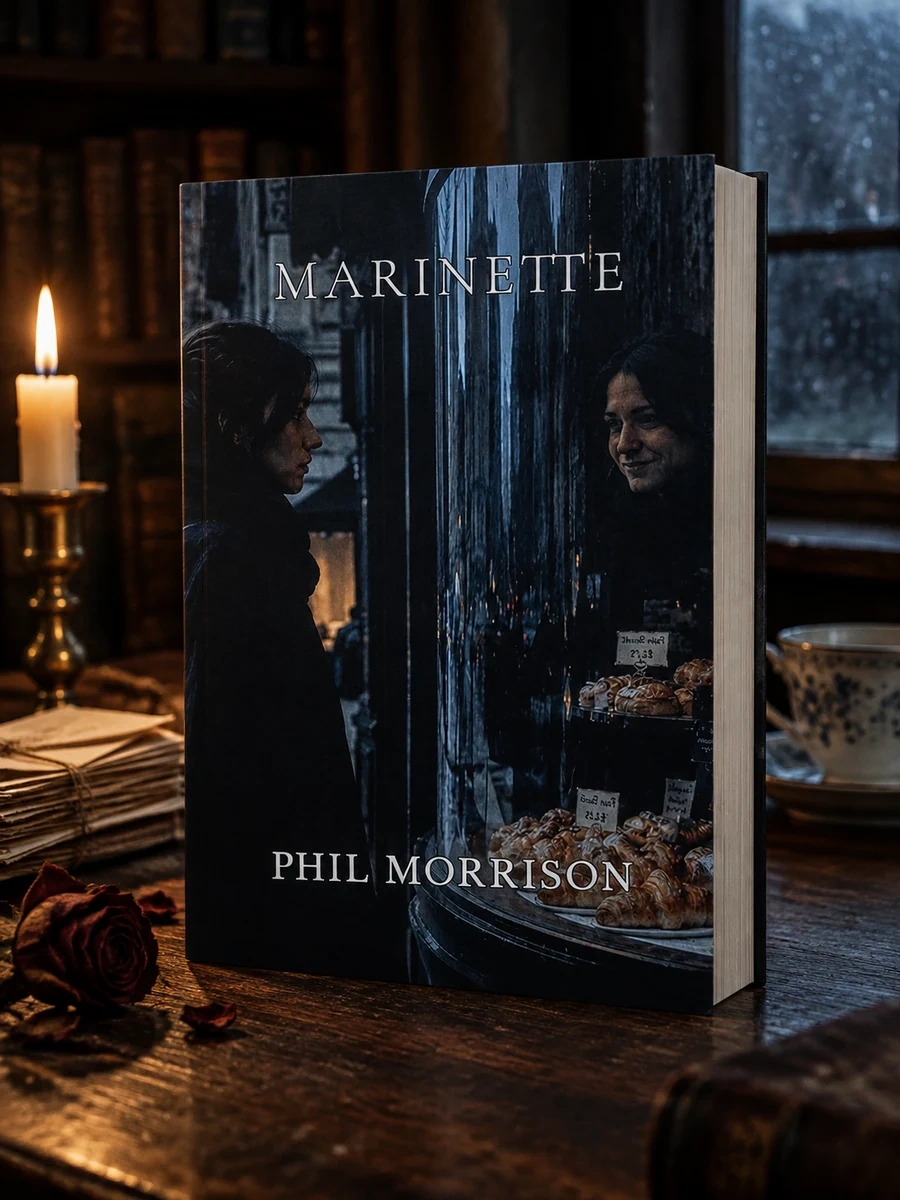
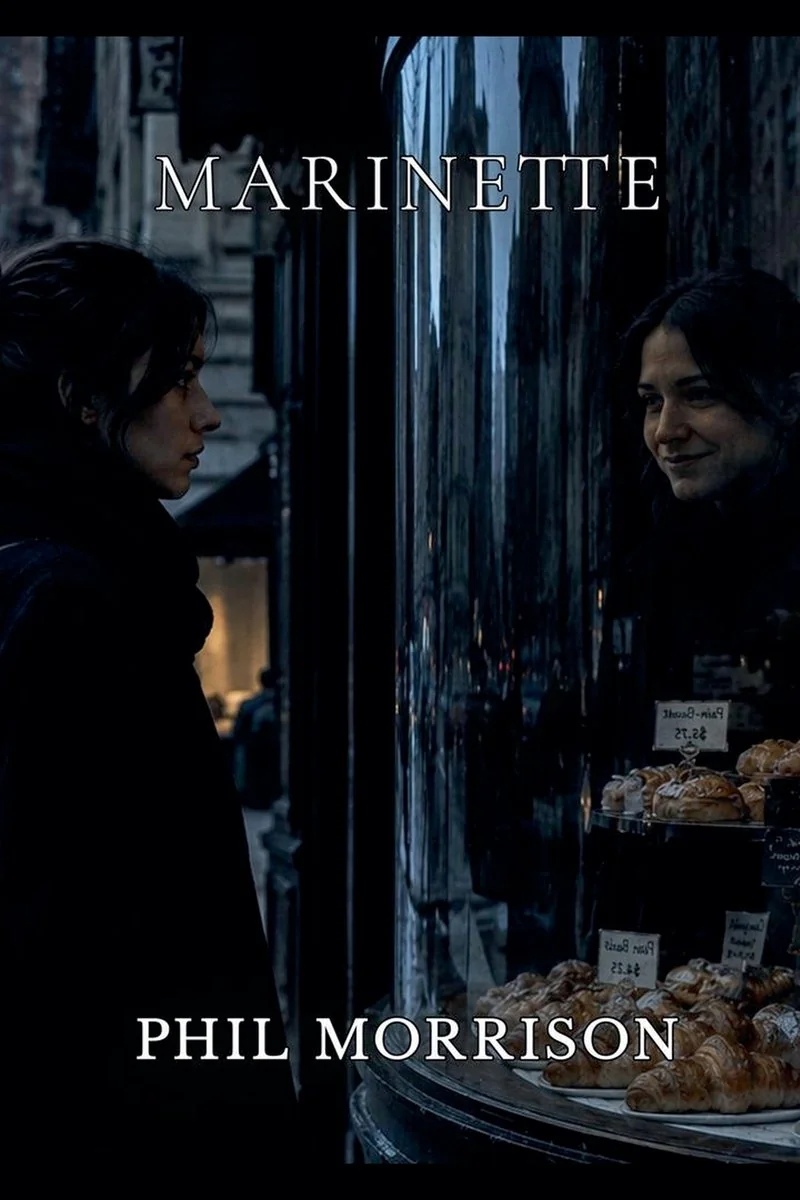
Marinette
A girl returns from the dead carrying a Haitian secret that threatens her family.
Phil Morrison centers this narrative on Emma Caldwell, who disappears in Haiti and reappears eight years later in New York. The text details specific supernatural events: draped mirrors, a predicted death occurring exactly nineteen days later, and an unexplained male voice. The plot hinges on Emma’s confrontation with her father, accusing him of theft through a dead man’s voice. Morrison anchors the story in Haitian culture, presenting a horror that is precise and culturally rooted. The novel examines the psychological and supernatural aftermath of Emma’s time away. It does not offer easy answers or redemption arcs. Instead, it presents a relentless exploration of guilt and the unknown forces that follow those who return from the dead.
The novel is rooted in Haitian culture and traditions, specifically drawing on the setting of Haitian markets and the Upper West Side of New York. It explores the intersection of these two worlds through the lens of horror fiction.


📝 Description: Marinette
💎 Our verdict on Marinette
📖 Why choose it
Why this book is worth reading
Readers who crave atmospheric, psychologically dense horror rooted in specific cultural traditions will find this novel compelling. It offers a relentless exploration of guilt and the unknown forces that follow those who return from the dead, without offering easy redemption arcs. Those interested in the precise intersection of Haitian culture and supernatural dread will appreciate Morrison’s unromanticized approach. The narrative focuses tightly on a family’s unraveling reality, providing chilling clarity regarding the past intruding upon the present. It is ideal for audiences seeking grounded horror that examines the aftermath of displacement rather than fast-paced action or lighthearted tales.
⭐ Reader reviews
Reader rating
Phil Morrison delivers a precise, culturally anchored horror novel that examines the psychological and supernatural aftermath of Emma Caldwell’s disappearance. The narrative avoids romanticizing Haitian traditions, instead presenting an implacable focus on the consequences of memory and displacement. Key elements like draped mirrors and predicted deaths create a tense, atmospheric dread that builds steadily toward the family’s confrontation with their past. This book suits readers who appreciate grounded horror rooted in specific contexts, particularly those interested in how cultural identity intersects with supernatural terror. It is less suitable for those seeking action or redemption, offering instead a chilling clarity where the past intrudes upon the present with terrifying inevitability.