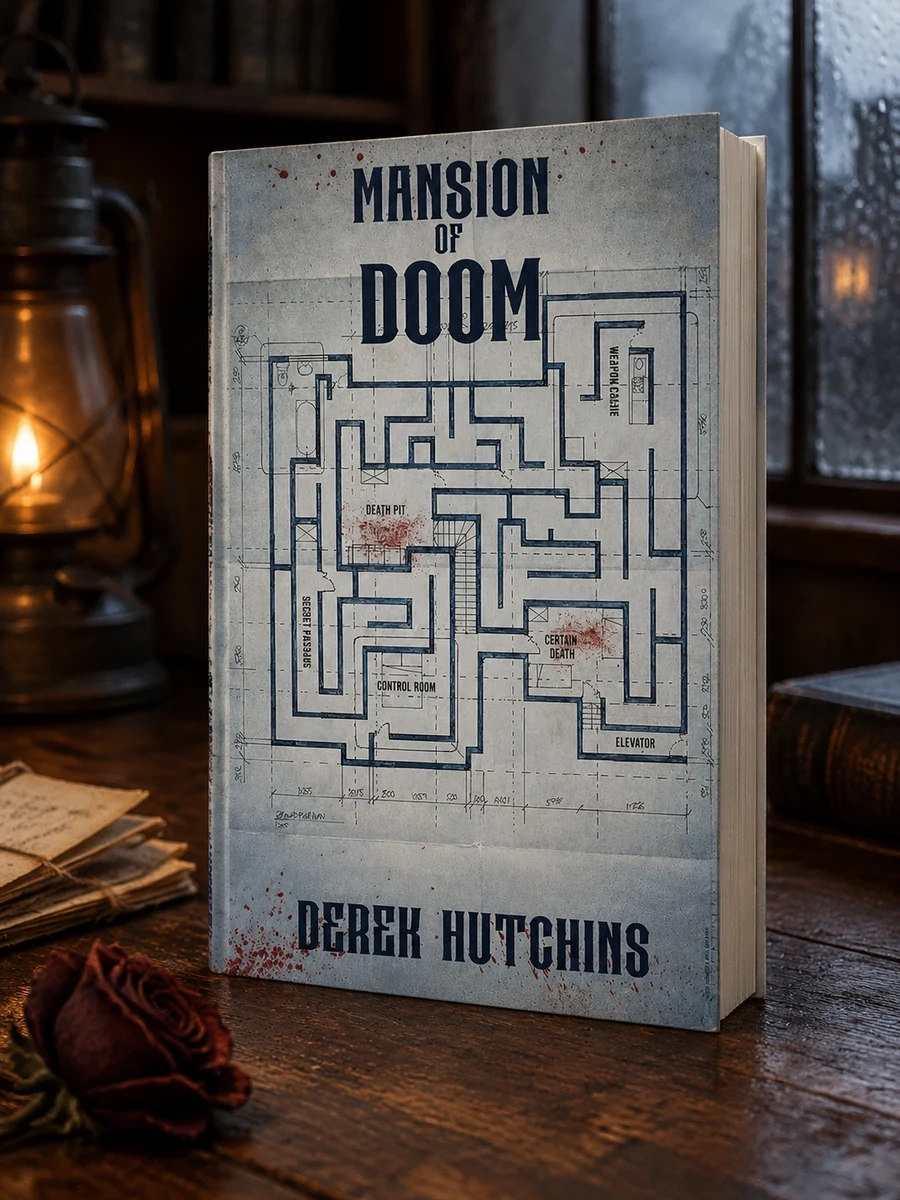
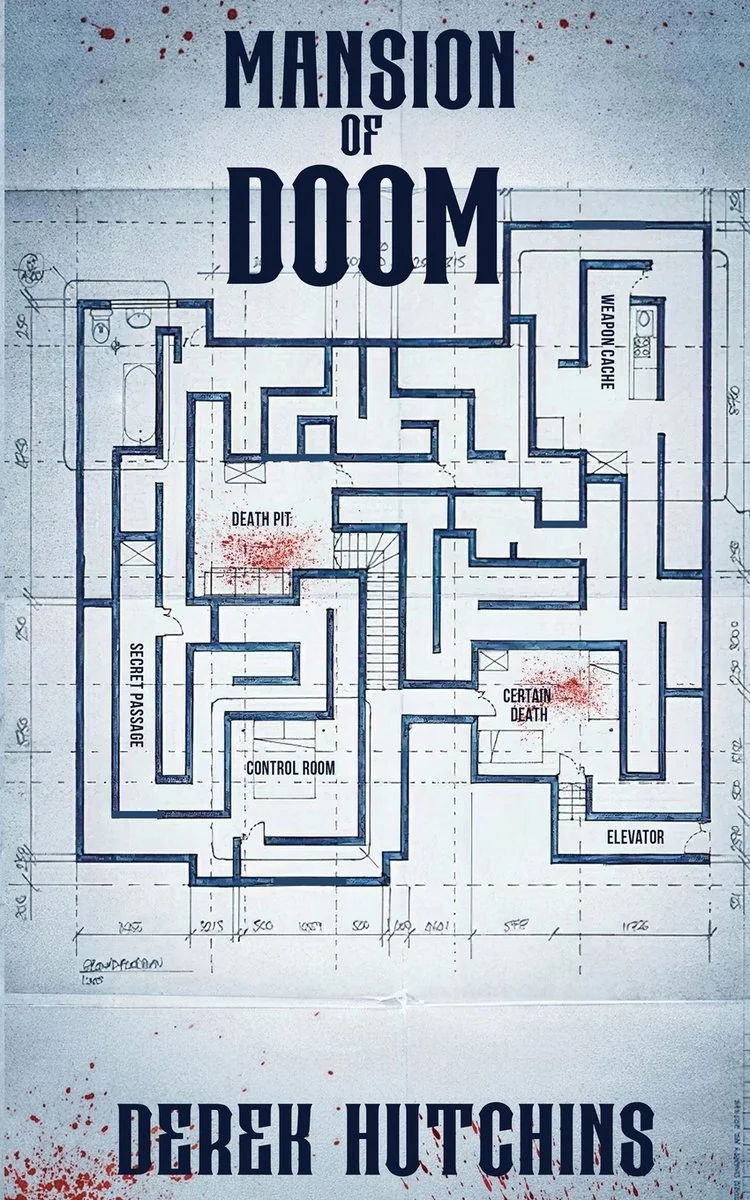
Mansion of Doom
Sixteen strangers trapped in a deadly maze inside a Victorian mansion.
The narrative centers on the immediate psychological impact of forced violence. Hutchins examines how poverty shapes the desperation of the sixteen participants. The story does not offer escape until the very end, keeping the focus on internal conflict and interpersonal betrayal. The mystery of the captor drives the plot forward as alliances form and break. Violence is presented as a necessary tool for survival rather than an aesthetic choice. The structure forces characters to make impossible moral choices repeatedly. This approach highlights the fragility of social contracts under extreme duress. The ending remains unknown until the final page, maintaining suspense throughout.
This book sits within the tradition of American horror and gothic fiction. It draws on the Victorian mansion trope common in supernatural tales. The story reflects contemporary anxieties about economic disparity and survival. Hutchins writes for fans of classic slasher narratives and psychological thrillers.


📝 Description: Mansion of Doom
💎 Our verdict on Mansion of Doom
📖 Why choose it
Why this book is worth reading
Readers seeking intense, claustrophobic psychological tension will find this narrative compelling. It appeals to those interested in exploring the fragility of social contracts when stripped of safety and morality. The book offers a stark examination of desperation among impoverished individuals forced into impossible moral choices. Those who enjoy classic slasher premises combined with deep interpersonal betrayal will appreciate the focus on immediate survival over complex backstories. It serves audiences who prefer suspense derived from mystery and internal conflict rather than hopeful resolutions or expansive world-building.
⭐ Reader reviews
Reader rating
Hutchins delivers a relentless exploration of human nature under duress, utilizing a labyrinthine Victorian setting to amplify psychological fracture. The narrative excels in portraying violence as a necessary survival tool rather than aesthetic spectacle, grounding the horror in realistic desperation. By focusing on the erosion of trust among sixteen strangers, the book maintains high stakes through interpersonal betrayal and shifting alliances. It suits readers who favor confined-space thrillers and mystery-driven plots over character depth. While lacking broad world-building, its strength lies in the immediate, unrelenting pressure of the maze and the captor's enigmatic presence.
📖 Read on the blog
✍️ More books by this author Derek Hutchins


🏛 Books from this publisher Derek Hutchins
You might also like
See more →




Have a question about this item?
Ask about the edition, condition, delivery or anything else — we reply by email or phone, usually within a day.
