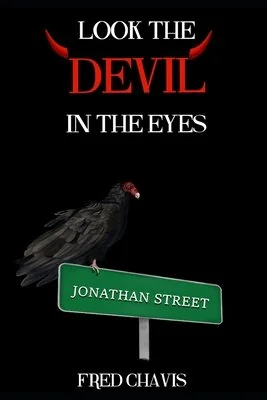
Look The Devil In The Eyes
A former cop battles supernatural forces threatening a historic Black neighborhood.
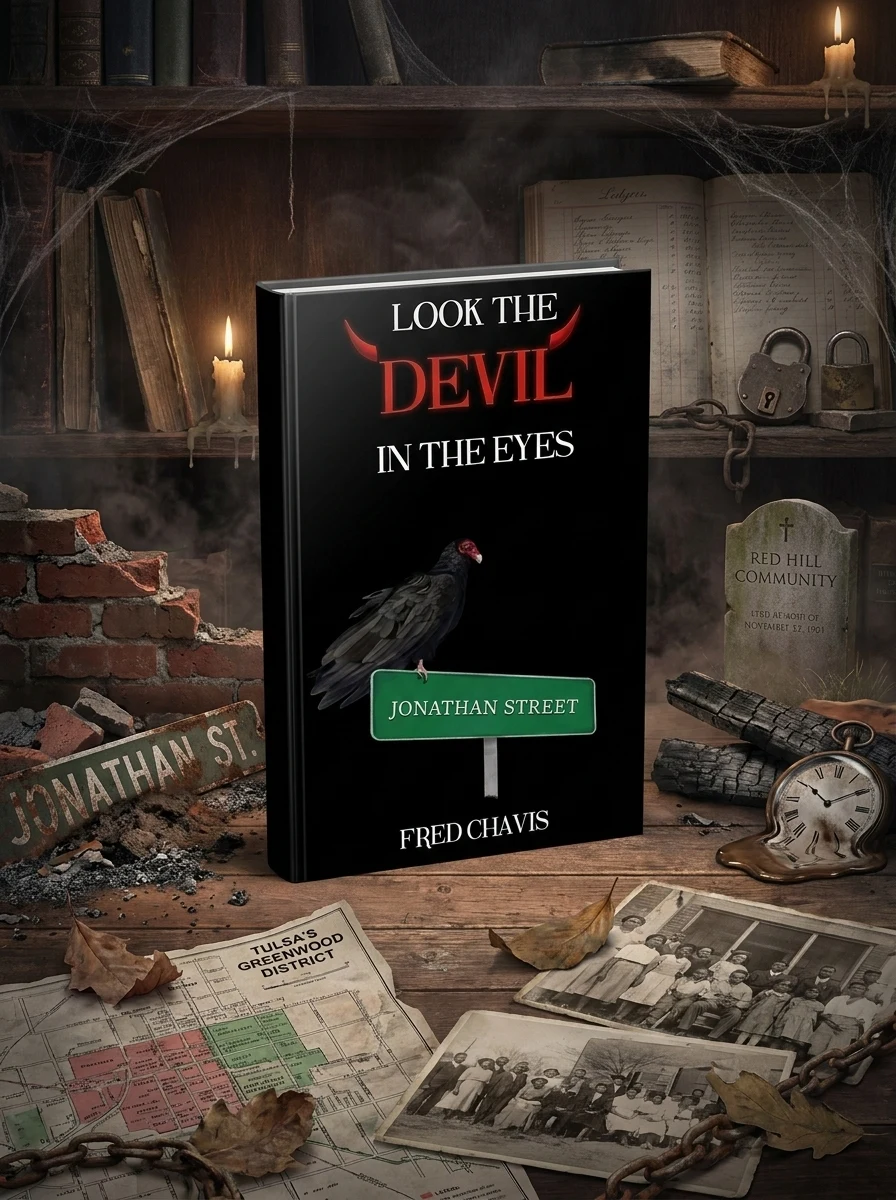
The novel merges personal struggle with collective memory. Amos 'EZ' Dawkins moves into Jonathan Street, confronting entities that target African American resilience. The text links his fight to the 1921 burning of Tulsa’s Greenwood District and the erasure of Maryland’s Red Hill Community. These historical traumas fuel the supernatural antagonists. The story requires the community to unite against a darkness revealed through EZ’s actions. It offers a grim look at how past injustices manifest in present dangers.
The book examines forgotten African American histories, specifically the 1921 Tulsa massacre and the neglected Red Hill Community in Keedysville, Maryland. It focuses on Jonathan Street in Hagerstown as a site of ongoing struggle against powerful dark forces.


📝 Description: Look The Devil In The Eyes
💎 Our verdict on Look The Devil In The Eyes
📖 Why choose it
Why this book is worth reading
Readers seeking horror that engages with real-world racial history and collective memory will find this novel compelling. It offers a grim examination of how past erasures, such as the burning of Tulsa’s Greenwood District, fuel contemporary supernatural threats. The story suits those interested in social commentary woven into dark fantasy. It appeals to audiences who appreciate narratives where community unity is essential for survival against ancient evils. Those looking for lighthearted entertainment or detached fictional worlds may find it too heavy. However, individuals drawn to the intersection of true crime aesthetics and gothic horror will gain from its exploration of obscured histories and resilience.
⭐ Reader reviews
Reader rating
Chavis effectively merges personal struggle with collective memory through former cop Amos 'EZ' Dawkins. The narrative successfully links local supernatural conflicts to broader historical erasures like Maryland’s Red Hill Community. This approach creates a unique subgenre blend, appealing to fans of psychological horror rooted in social justice. The tone is appropriately grim, avoiding easy resolutions for its characters or readers. It stands out by demanding community action against darkness revealed through individual presence. While not for those seeking detached escapism, it offers a potent critique of how trauma persists. The integration of real-world examples grounds the fantasy elements, making the threat feel immediate and historically significant rather than abstract.
📖 Read on the blog
🏛 Books from this publisher Independently Published








You might also like
See more →


Have a question about this item?
Ask about the edition, condition, delivery or anything else — we reply by email or phone, usually within a day.
