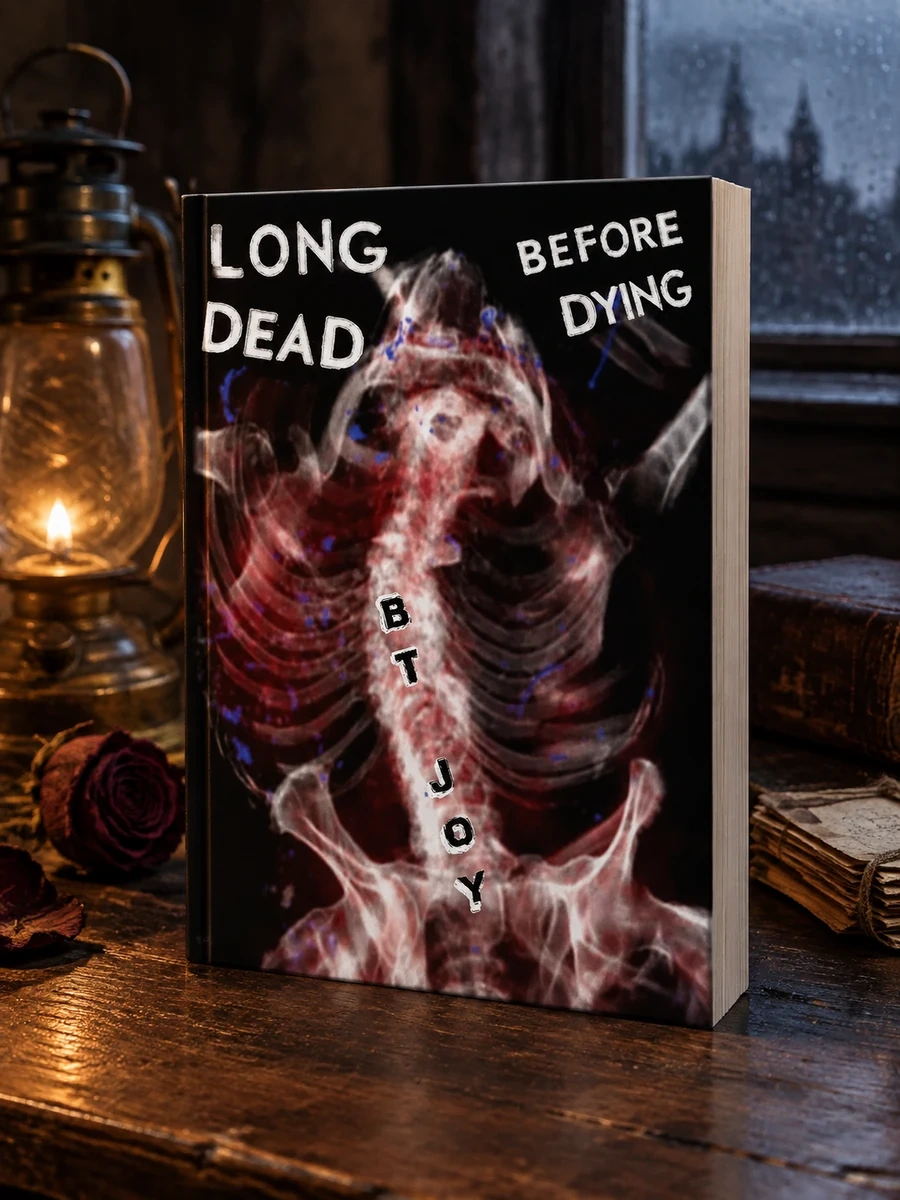
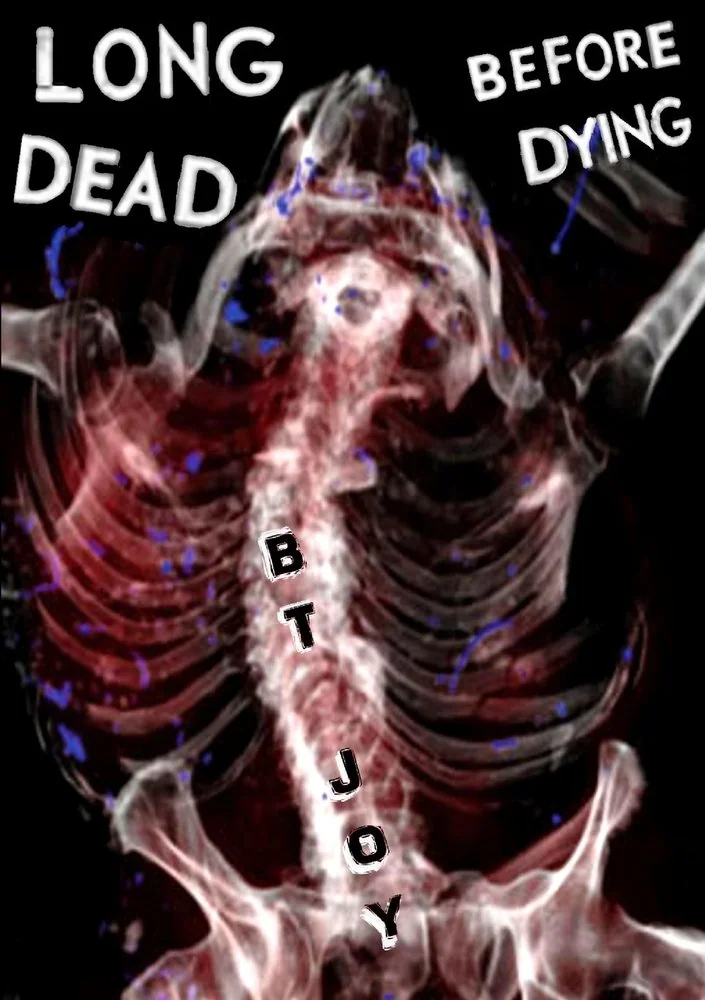
Long Dead Before Dying
A collection of eighteen stories exploring disrupted transitions between life and death across global settings.
Horrified Press curates a series of tales where the boundary between existence and non-existence blurs. The stories do not merely frighten but question the nature of transformation. By placing characters in diverse locations like medieval Russia and Italian vineyards, the author highlights how cultural contexts shape our understanding of death. The work avoids simple resolutions, instead focusing on the lingering effects of disrupted natural orders. This approach creates a cohesive thematic thread that binds geographically distant stories together under the umbrella of supernatural horror.
The book sits within the tradition of gothic and supernatural fiction, drawing on settings from medieval Russia, 1890s London, Haitian slums, and Italian vineyards to explore universal fears about death and transformation.


📝 Description: Long Dead Before Dying
💎 Our verdict on Long Dead Before Dying
📖 Why choose it
Why this book is worth reading
Readers who appreciate complex metaphysical inquiries within the horror genre will find this volume deeply rewarding. It is ideal for those interested in how cultural contexts shape our understanding of death, offering a perspective on life and death as unavoidable stages rather than simple endpoints. The book suits enthusiasts of gothic fiction and supernatural tales who enjoy historical diversity in their terror. By avoiding straightforward narratives and simple resolutions, it invites the audience to contemplate the lingering effects of disrupted natural orders. Those who seek to explore the entities residing in liminal spaces between waking and sleep will find the thematic depth here compelling. It offers a vivid look at a world haunted by mistakes, appealing to readers willing to engage with challenging questions about being dead before dying.
⭐ Reader reviews
Reader rating
Long Dead Before Dying distinguishes itself through its thematic cohesion rather than plot variety, binding geographically distant stories under the umbrella of supernatural horror. The work excels in examining the consequences for those who die badly or not at all, creating a vivid perspective on existence and non-existence. It is best suited for readers who appreciate gothic fiction and historical diversity in their terror. By focusing on the lingering effects of disrupted natural orders, it avoids simple resolutions, instead challenging the reader to question the nature of transformation. This approach creates a unique atmosphere that may not appeal to those seeking straightforward narratives. However, for those interested in cosmic and psychological horror, the exploration of liminal spaces offers a profound and unsettling experience that lingers long after the final story concludes.