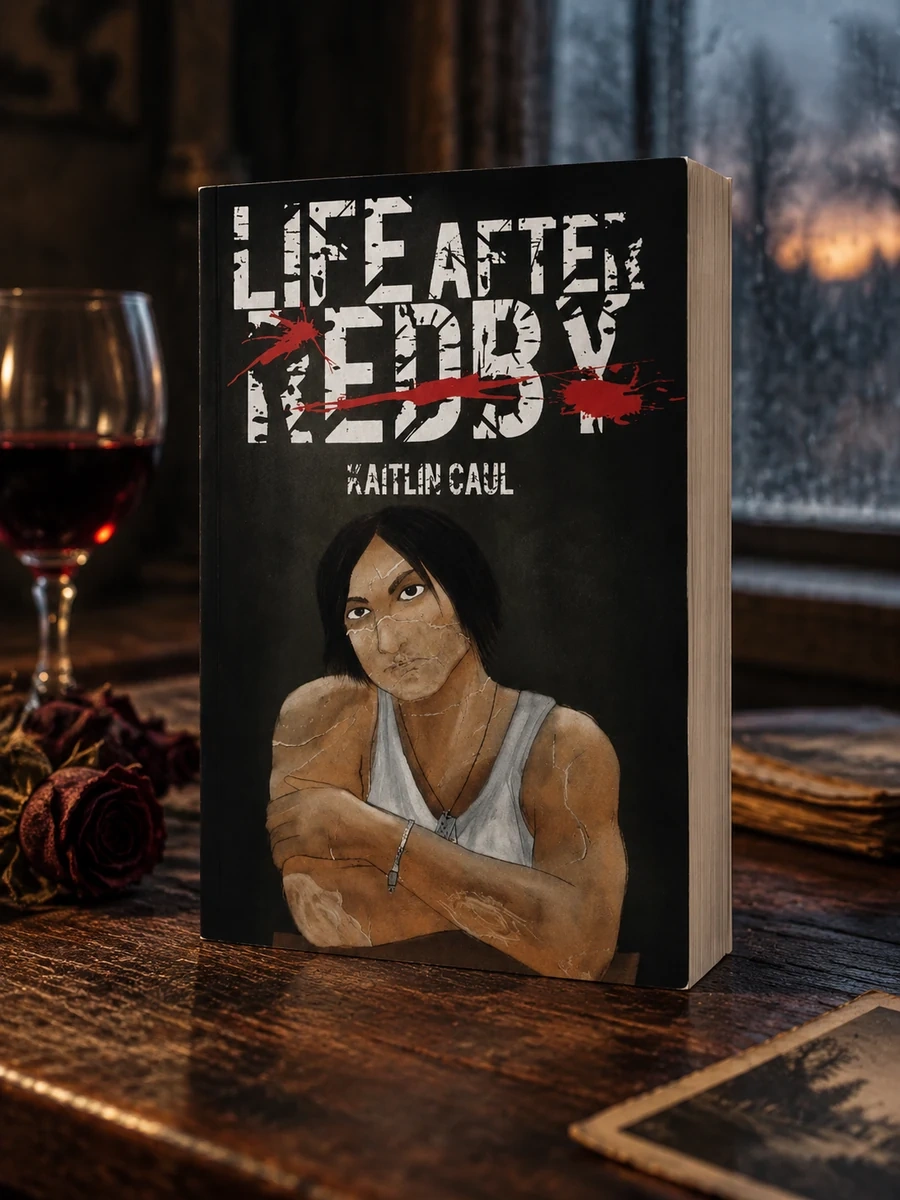

Life After Redby
A soldier turns zombie hunter in a cycle of death and nanotech resurrection.
Cassandra Saratores navigates the aftermath of Redby’s collapse. Once a soldier, she now deals with the physical and mental scars of ten years spent dying and rising again through Almesa’s nanotech treatments. The narrative focuses on her internal struggle as she balances the memory of being undead against the possibility of a quiet life in a hospital. The arrival of news regarding Almesa’s continued operations forces her to confront her past. She must decide if reclaiming her mantle is necessary for global survival or if it condemns her to repeat her hellish cycle. The story examines the cost of immortality and the burden of being a specialist in a world that has moved on from its horrors.
The book is published by Renaissance Press in 2018. It draws on American horror traditions involving zombies and supernatural fiction. The setting of Redby serves as a localized hell, reflecting contemporary anxieties about corporate power and medical technology. The narrative structure follows Cassandra’s linear experience from soldier to hunter to patient.


📝 Description: Life After Redby
💎 Our verdict on Life After Redby
📖 Why choose it
Why this book is worth reading
Readers seeking a grim exploration of trauma within the post-apocalyptic genre will find this narrative compelling. It is ideal for those who enjoy psychological horror intertwined with sci-fi elements, particularly stories where corporate conspiracy drives supernatural catastrophe. The book offers a deep dive into the cost of immortality and the burden of being a specialist in a world that has moved on from its horrors. It appeals to fans of dark fantasy and true crime aesthetics who appreciate protagonists enduring prolonged psychological trauma rather than simple survival tales. This title suits individuals interested in the intersection of nanotechnology, zombie fiction, and the ethical implications of resurrection technologies.
⭐ Reader reviews
Reader rating
Caul delivers a potent examination of survivor’s guilt and institutional failure through Cassandra Saratores’ eyes. The narrative effectively balances internal psychological struggle with external apocalyptic stakes, avoiding traditional horror tropes in favor of a more complex, sci-fi-infused framework. The depiction of the cycle of death and nanotech resurrection creates a unique sense of dread distinct from standard zombie narratives. While it may alienate readers seeking straightforward action or pure supernatural horror without scientific underpinnings, it rewards those willing to engage with heavy themes of mental scars and corporate accountability. The tone is appropriately bleak, focusing on the burden of being a specialist in a world that has forgotten its horrors.
📖 Read on the blog
🏛 Books from this publisher Renaissance Press



You might also like
See more →

Have a question about this item?
Ask about the edition, condition, delivery or anything else — we reply by email or phone, usually within a day.
