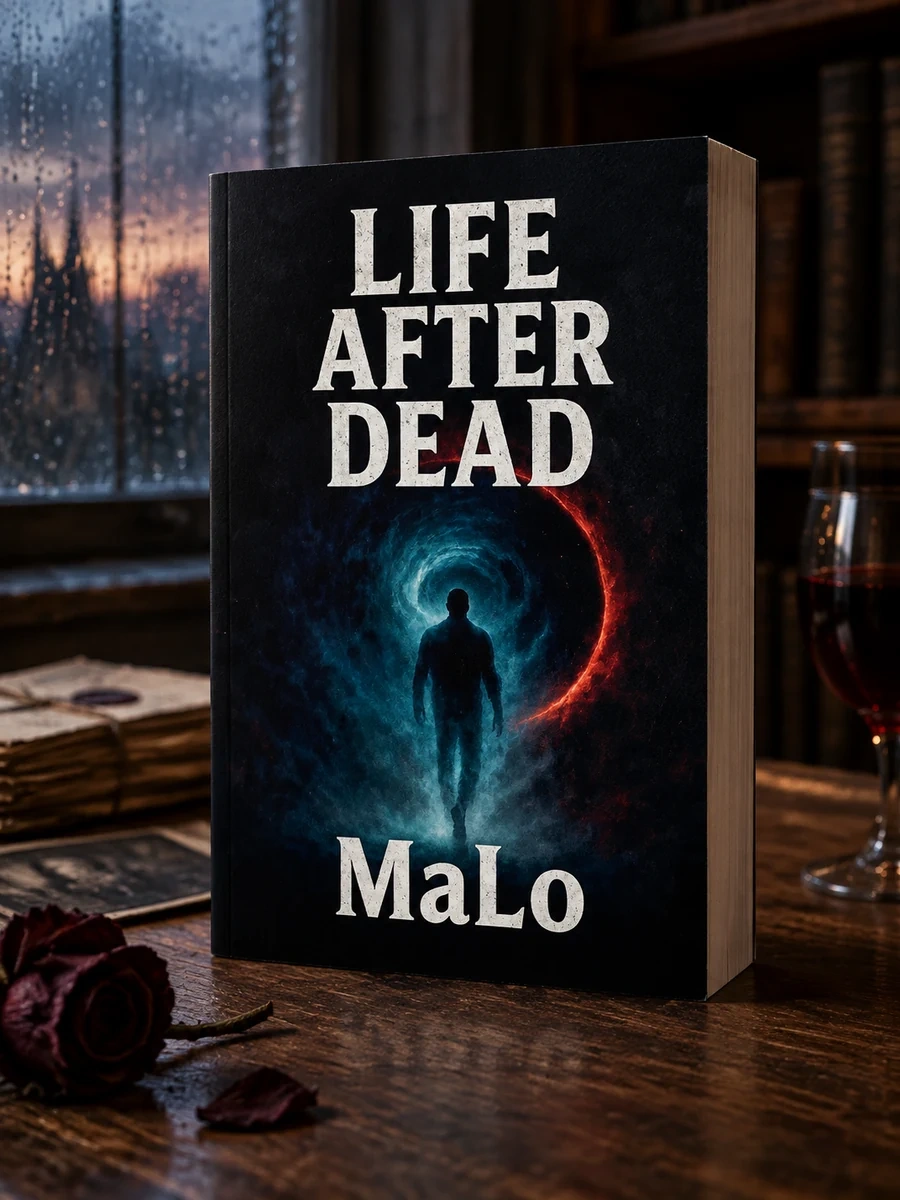
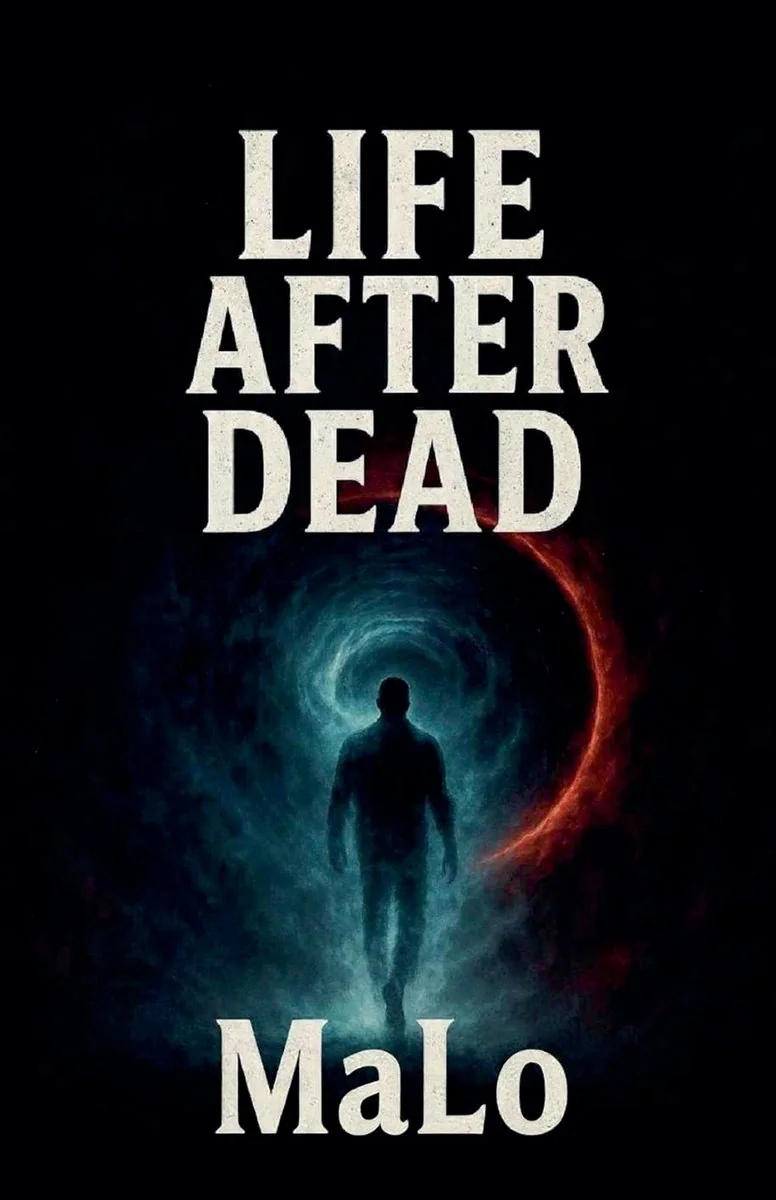
Life After Dead
A fractured mind battles sensory overload and a spectral mother in this psychological horror tale.
This work examines the terrifying loss of identity through the lens of cognitive decline. Malo uses the motif of a mother's ghost to anchor the narrator's dissolving reality. The narrative does not rely on gore but on the terror of forgetting who one is. It draws on gothic traditions by placing the horror within the mind itself. The story is organized around the struggle to piece together a past that refuses to stay intact. Readers interested in the intersection of supernatural elements and mental health will find this compelling. Those preferring fast-paced action might find the slow erosion of self too intense.
Published in 2013 by Malo, this book sits within the contemporary horror and gothic fiction genres. It reflects a period where psychological interiority often replaced external monsters as the primary source of dread in supernatural narratives.


📝 Description: Life After Dead
💎 Our verdict on Life After Dead
📖 Why choose it
Why this book is worth reading
Readers interested in the intersection of supernatural elements and mental health will find this compelling, particularly those who appreciate horror that examines the terrifying loss of identity through cognitive decline. The book offers a unique perspective for fans of gothic atmospheres, using the motif of a spectral mother to anchor a narrative of dissolving reality. It is ideal for audiences seeking internal horror rather than gore, providing a slow erosion of self that challenges the reader's perception of existence. However, those preferring fast-paced action or clear resolutions may find the intense focus on sensory overload and cognitive disintegration too demanding.
⭐ Reader reviews
Reader rating
Malo crafts a chilling tale where the true monster is the protagonist’s fracturing mind. By focusing on internal horror, the narrative effectively conveys the terror of forgetting one's own identity through overwhelming sensory details and fleeting memories. The spectral mother acts as a poignant anchor, her forced cheerfulness contrasting sharply with the narrator's gnawing fear. This approach suits readers who enjoy gothic traditions and psychological disintegration over traditional jump scares. While the slow pace may deter those seeking immediate thrills, the work succeeds in exploring whether a mind consumed by chaos can return or if oblivion is the only solace.
📖 Read on the blog
📖 From the series “Death”


✍️ More books by this author Malo
🏛 Books from this publisher Malo
You might also like
See more →

Have a question about this item?
Ask about the edition, condition, delivery or anything else — we reply by email or phone, usually within a day.
