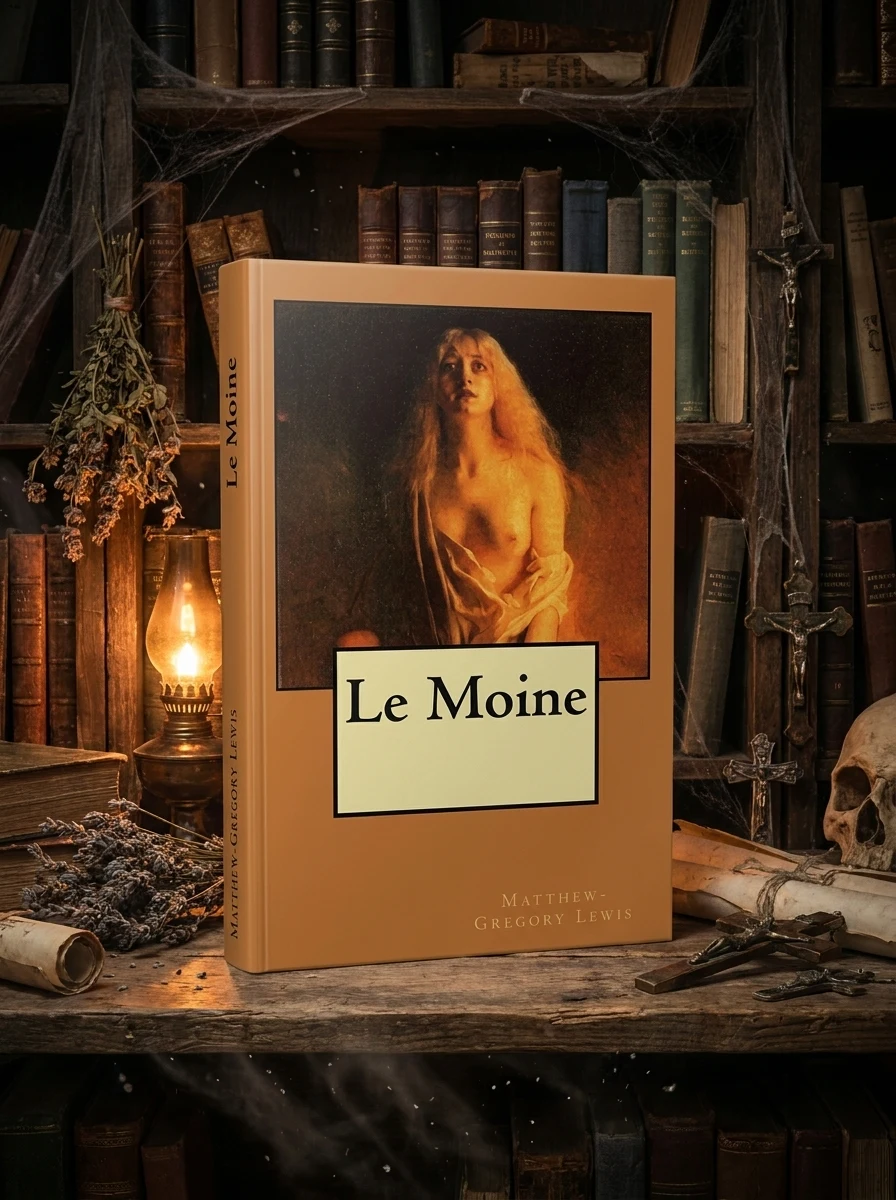
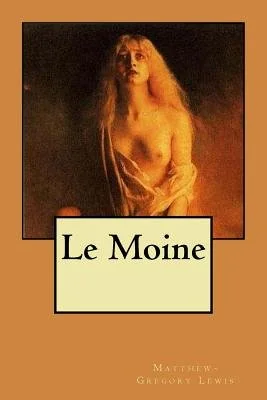
Le Moine
A patient, atmospheric gothic novel by Leon De Wailly focusing on psychological dread.
Le Moine offers a distinct entry into the history of supernatural fiction through its commitment to suggestion. De Wailly constructs a narrative where fear accumulates gradually, relying on the power of implication rather than graphic display. This approach creates a lingering sense of terror that requires the reader to engage deeply with the text. The book stands as a record of early gothic storytelling, prioritizing mood and psychological tension over rapid plot development. It provides a window into how horror was crafted in the nineteenth century, emphasizing literary quality and historical authenticity. The edition maintains the original tone, ensuring that the unpolished nature of the work remains intact for modern readers who value this specific aesthetic.
This text originates from the period between 1804 and 1864, a time when gothic fiction was evolving. De Wailly wrote during an era that valued literary depth and historical voice in storytelling. The work reflects the conventions of early gothic horror, focusing on mood and suggestion rather than the explicit spectacle common in later decades.


📝 Description: Le Moine
💎 Our verdict on Le Moine
📖 Why choose it
Why this book is worth reading
Readers seeking atmospheric dread and psychological tension will find value here, as the prose carries the weight of fear without relying on explicit spectacle. This work suits those who appreciate vintage horror for its substance, offering an authentic glimpse into a specific era where storytelling relied on literary depth rather than plot-driven action. The experience is defined by its raw, unpolished nature, allowing direct engagement with genuine terror from that period. It rewards patience and careful reading with a slow-burning sense of terror that remains unyielding in mood, appealing to audiences who value historical authenticity over modern shortcuts or clichés.
⭐ Reader reviews
Reader rating
Leon De Wailly’s Le Moine offers a distinct entry into the history of supernatural fiction through its commitment to suggestion. De Wailly constructs a narrative where fear accumulates gradually, relying on the power of implication rather than graphic display. This approach creates a lingering sense of terror that requires the reader to engage deeply with the text. The book stands as a record of early gothic storytelling, prioritizing mood and psychological tension over rapid plot development. It provides a window into how horror was crafted in the nineteenth century, emphasizing literary quality and historical authenticity. The edition maintains the original tone, ensuring that the unpolished nature of the work remains intact for modern readers who value this specific aesthetic.
📖 Read on the blog
🏛 Books from this publisher Createspace Independent Publishing Platform





You might also like
See more →





Have a question about this item?
Ask about the edition, condition, delivery or anything else — we reply by email or phone, usually within a day.
