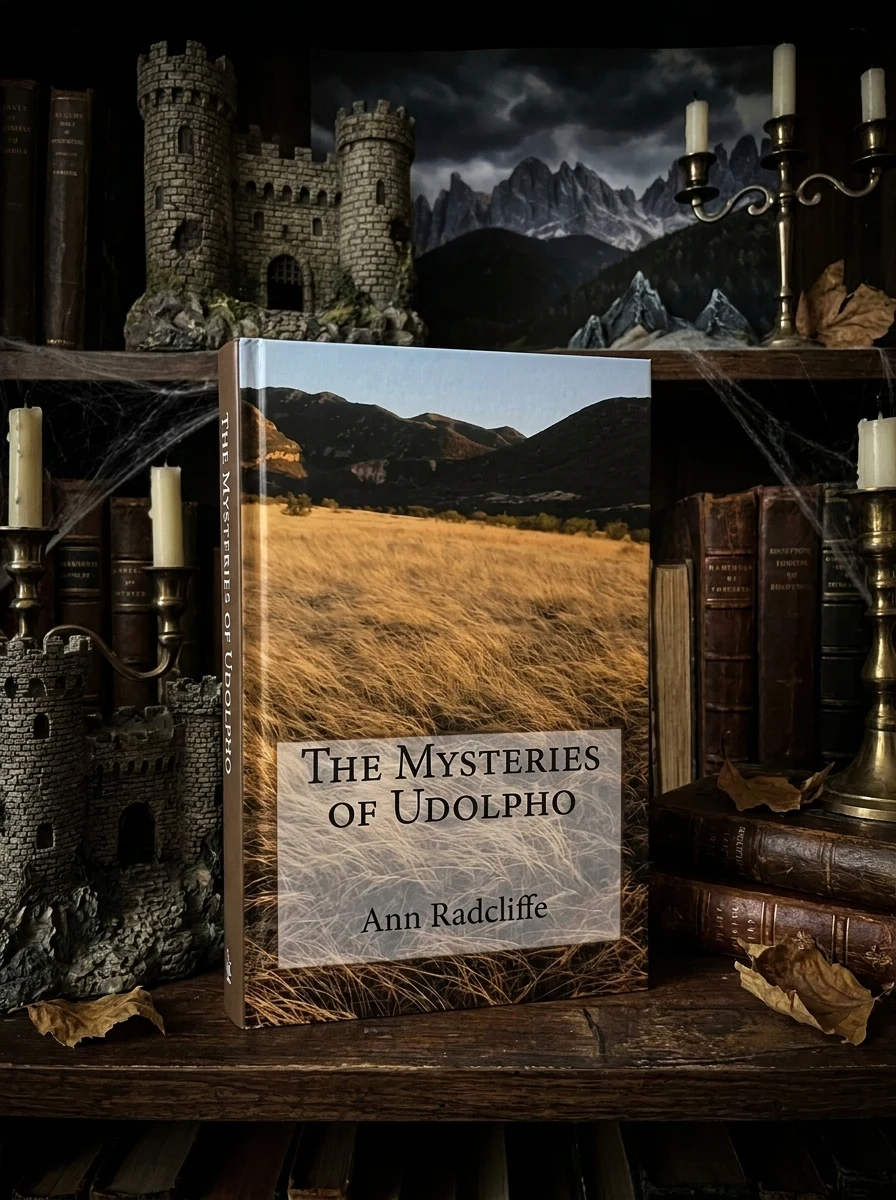
The Mysteries of Udolpho
A foundational Gothic novel tracing Emily St. Aubert's decline amid crumbling castles.
This edition presents Ann Ward Radcliffe’s 1794 novel, widely recognized as the archetypal example of the Gothic genre. The story centers on Emily St. Aubert, who experiences a dual collapse of her physical health and mental stability following her father's death. Radcliffe uses the setting to amplify these themes, placing Emily in landscapes defined by decay and emotional weight. The narrative structure relies on this mirroring effect, where the environment reflects the protagonist's internal state. The work is significant for establishing the conventions that would define supernatural fiction for generations. It offers a clear view into how early authors used atmosphere to drive psychological horror without relying on explicit violence.
Published in 1794, this work stands as the archetypal Gothic novel. It draws on traditions of supernatural fiction and emotional landscape description to define the genre. The text uses crumbling castles and the Alps to mirror the protagonist's suffering, establishing a template for later horror writers.


📝 Description: The Mysteries of Udolpho
💎 Our verdict on The Mysteries of Udolpho
📖 Why choose it
Why this book is worth reading
Readers interested in the origins of supernatural fiction and early nineteenth-century literature will find this volume valuable. It is ideal for those who appreciate detailed environmental storytelling and character studies rooted in historical Gothic conventions. The book offers a clear view into how early authors used atmosphere to drive psychological horror without relying on explicit violence, making it essential for understanding how place influences narrative tension in classic horror.
⭐ Reader reviews
Reader rating
Radcliffe masterfully links landscape to emotion, using crumbling castles as mirrors for the protagonist's suffering. This approach defines the archetypal structure of the novel, focusing on atmosphere and the slow unraveling of well-being. The work is significant for establishing conventions that would define supernatural fiction for generations. While those seeking fast-paced action or modern horror tropes may find the pacing deliberate, the book remains a key study for understanding how place influences narrative tension in classic horror. It suits readers who appreciate detailed environmental storytelling and historical Gothic conventions over immediate thrills.
📖 Read on the blog
✍️ More books by this author Ann Ward Radcliffe
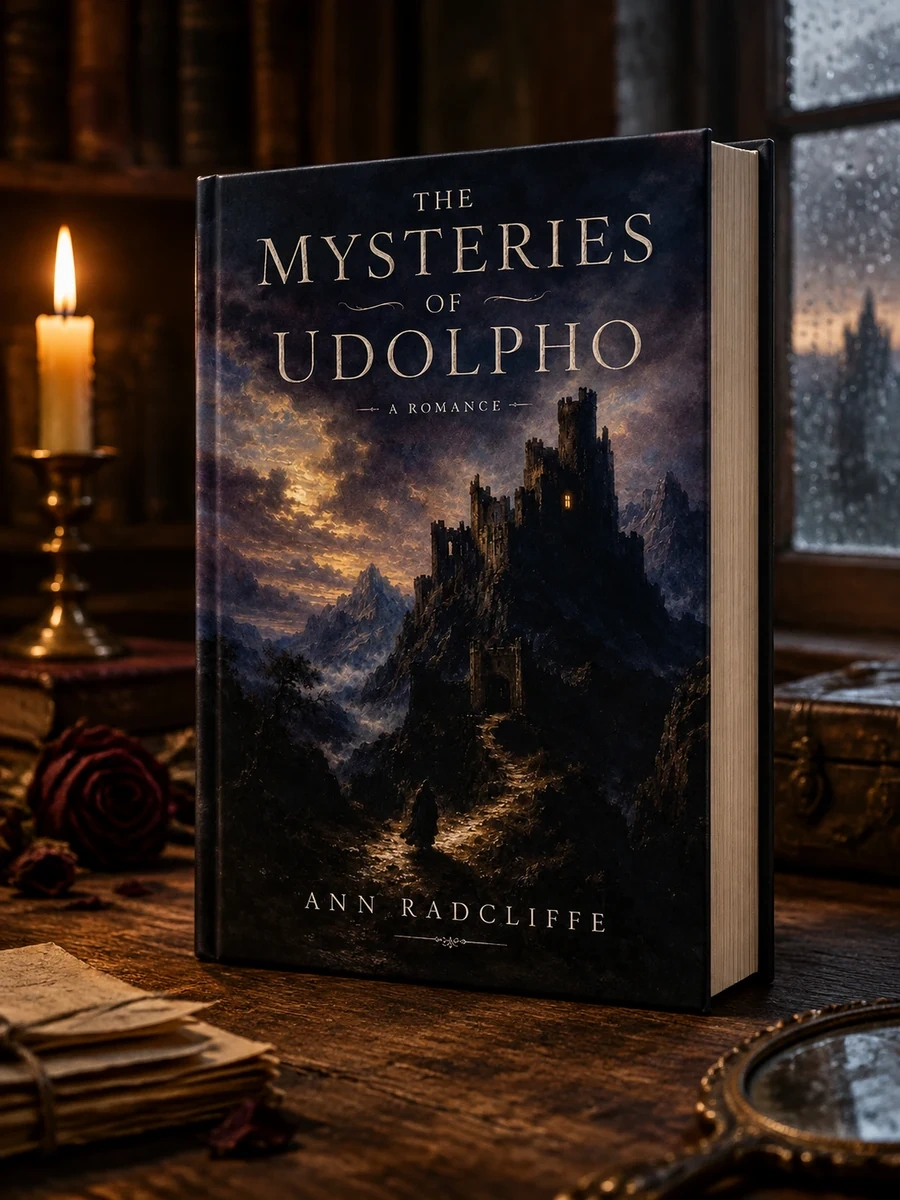


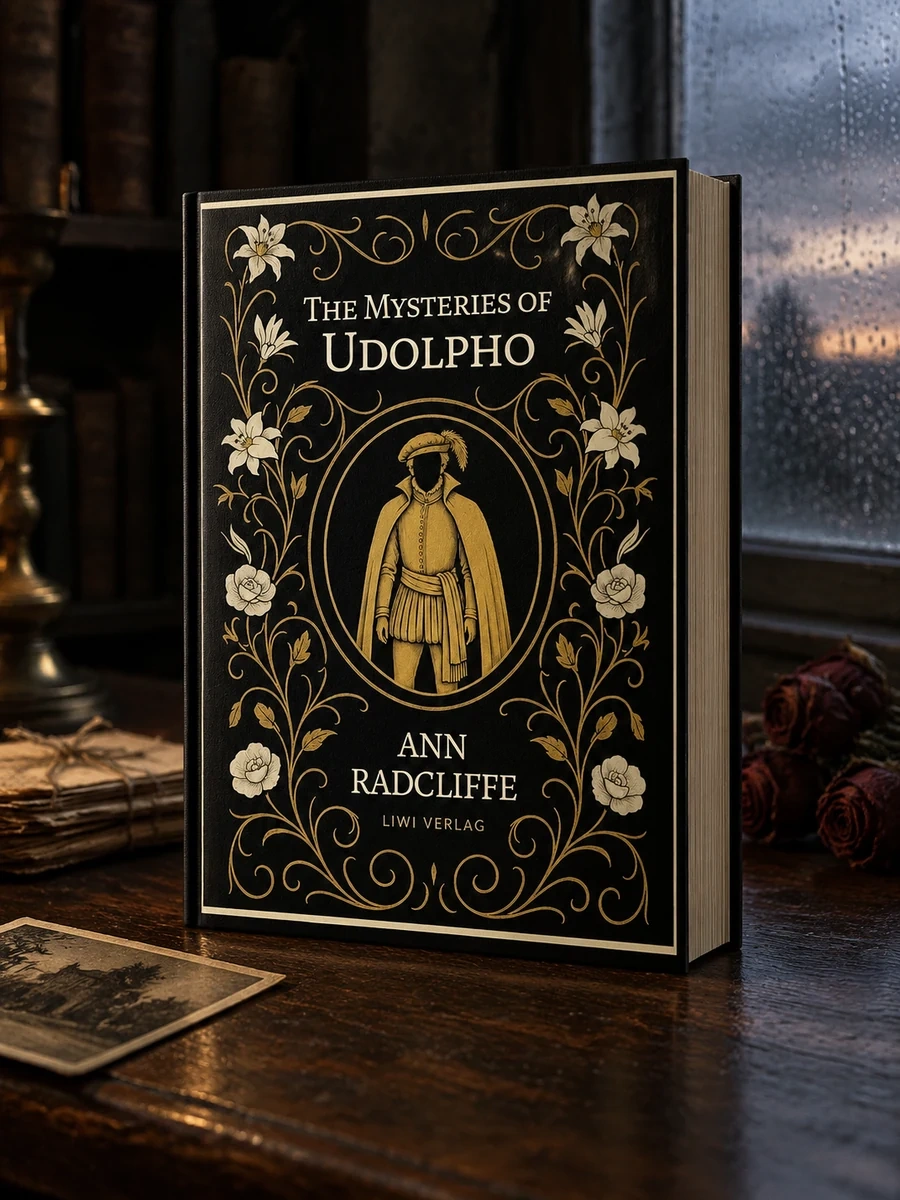
🏛 Books from this publisher Createspace Independent Publishing Platform






You might also like
See more →




Have a question about this item?
Ask about the edition, condition, delivery or anything else — we reply by email or phone, usually within a day.
