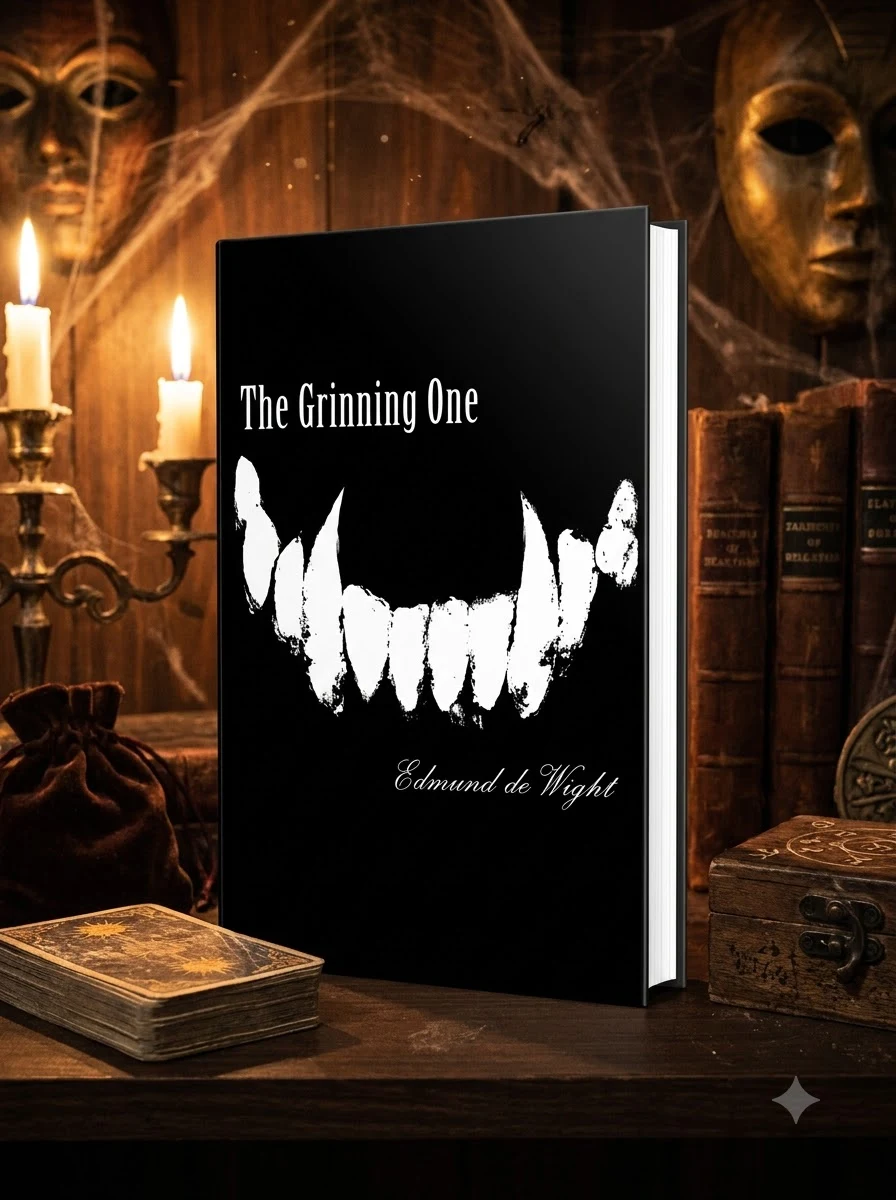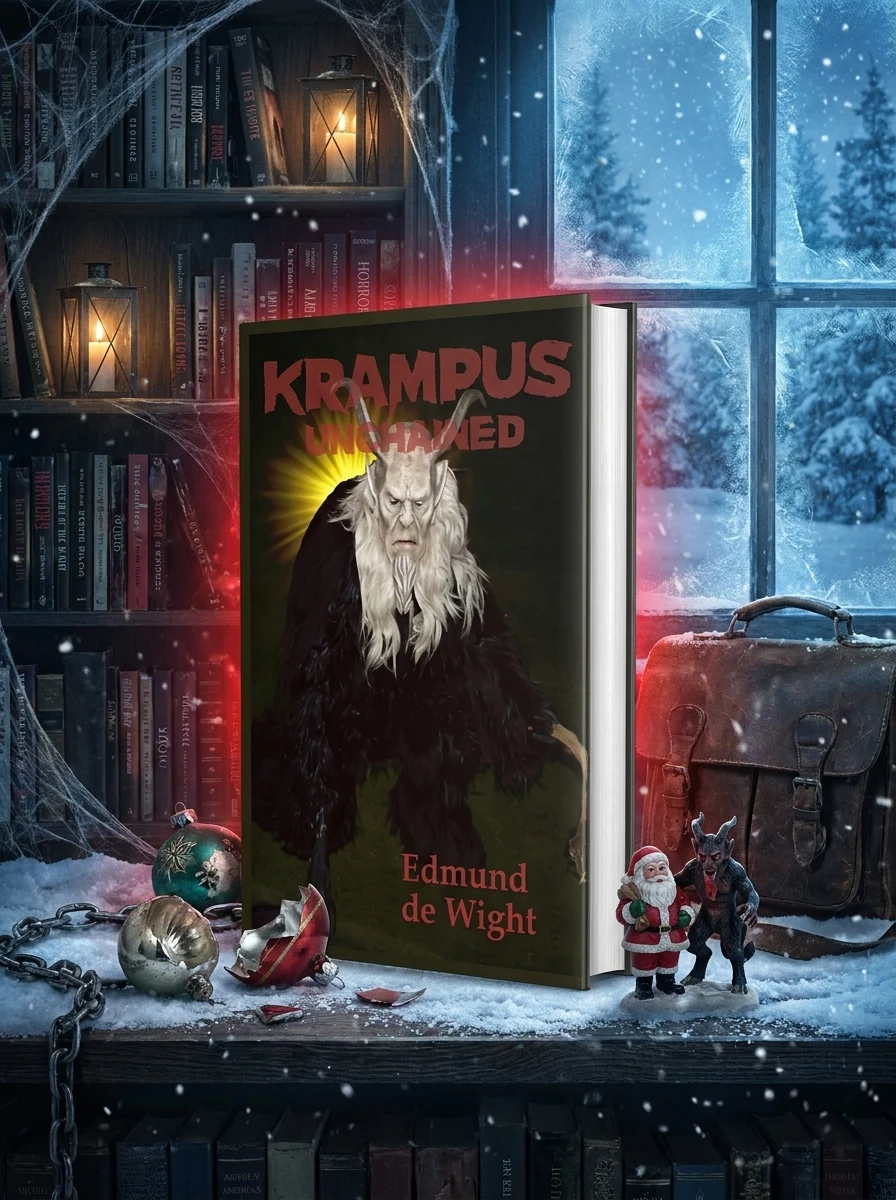
Krampus Unchained
A novella where Santa battles a freed Krampus to stop a holiday killing spree.
This narrative reimagines the myth of Krampus as a tangible threat rather than a legend. The plot centers on the release of a thousand-year-old demon by a resentful man, triggering a rampage that requires intervention from Santa and a young girl. The text examines how beliefs falter and are rediscovered, positioning the conflict between these two ancient powers as a matter of consequence for humanity. It does not offer a happy ending but rather a confrontation with real horror disguised as tradition.
The book engages with European Christmas traditions, specifically the figure of Krampus as a punisher of wicked children. It contrasts this dark folklore with the benevolent image of Santa, exploring how these opposing forces interact in modern storytelling to reinforce moral boundaries between naughty and nice behaviors.


📝 Description: Krampus Unchained
💎 Our verdict on Krampus Unchained
📖 Why choose it
Why this book is worth reading
Readers seeking a terror-filled tale for the season will find this novella compelling. It appeals to those who enjoy dark inversions of holiday cheer and prefer horror that challenges the assumption that fairy tales are harmless. The narrative suits individuals interested in the clash between ancient powers rooted in naughty and nice behaviors. It is ideal for fans of cosmic and psychological horror who appreciate stories where beliefs falter and are rediscovered amidst violence. Those expecting traditional festive joy or lighthearted stories may find it less appealing, but enthusiasts of true dark fantasy will engage with its confrontation with real horror disguised as tradition.
⭐ Reader reviews
Reader rating
Edmund de Wight successfully resurrects Krampus as a tangible threat, grounding the myth in terrifying reality rather than mere legend. The novella excels in framing the conflict between Santa and the demon as a consequential struggle for humanity, rather than a simple monster hunt. By introducing a young girl as a central hero, the text adds emotional weight to the cycle of sin and violence. It functions effectively as an introduction to the Krampus myth for the uninitiated while offering depth for those familiar with it. The work is best suited for readers who appreciate horror that examines how beliefs are tested. Its tone is appropriately grim, avoiding happy endings in favor of a stark confrontation with the horrors hidden within tradition.